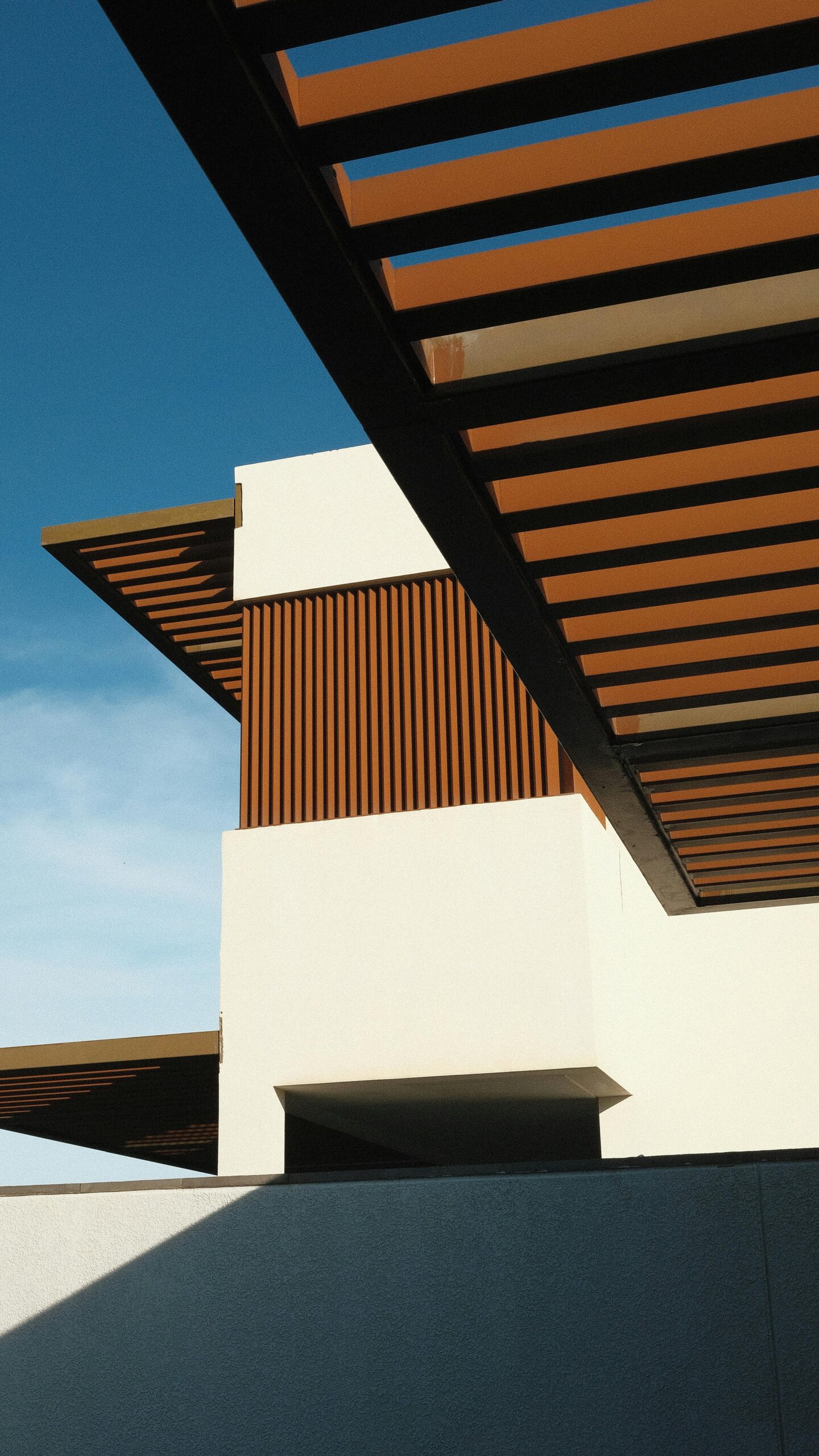
You wake up in a room where the walls themselves breathe with living light, where photons dance in perfect harmony with your circadian rhythms, and where the very architecture responds to your cellular needs. This isn’t science fiction anymore. As we approach 2026, photonic luxury represents the most significant leap in interior design since electricity itself entered our homes. While traditional lighting simply illuminates spaces, photonic design harnesses the fundamental properties of light particles to create environments that actively heal, energize, and transform human biology. Prepare to discover how quantum illumination therapy and bioluminescent wellness architecture are redefining what it means to truly live in harmony with light.

This Photo was taken by Quan Tran.
When light becomes medicine: the quantum revolution in home design
The human relationship with light has fundamentally changed. Research published in Nature demonstrates that specific light wavelengths can directly influence cellular repair, hormone production, and neuroplasticity. Photonic luxury takes this scientific foundation and transforms it into living architecture.
Unlike conventional smart lighting that simply adjusts brightness and color temperature, quantum illumination therapy systems manipulate individual photons to create targeted biological effects. These systems use coherent light sources that maintain their quantum properties, allowing for precise delivery of therapeutic wavelengths directly to living tissue.
Consider the breakthrough achieved by MIT’s Media Lab in 2025, where researchers demonstrated that quantum-coherent light could enhance cognitive function by 34% when applied during specific sleep phases. This technology now forms the backbone of photonic luxury installations worldwide.
| Wavelength Range (nm) | Therapeutic Effect | Optimal Exposure Duration | Quantum Coherence Level |
|---|---|---|---|
| 630-700 | Cellular repair acceleration | 20-30 minutes | 99.2% |
| 810-850 | Deep tissue healing | 15-25 minutes | 98.7% |
| 480-520 | Circadian rhythm optimization | 45-60 minutes | 97.9% |
| 380-420 | Mood enhancement | 10-15 minutes | 99.5% |

This Photo was taken by La Miko.
The architecture of living light: bioluminescent wellness environments
Bioluminescent wellness architecture represents the marriage of biological systems and structural design. Rather than relying solely on electrical light sources, these environments incorporate genetically modified organisms that produce light naturally, creating spaces that literally live and breathe.
The most advanced installations use engineered algae cultures integrated directly into wall materials. These organisms respond to environmental conditions, human presence, and even emotional states detected through biometric sensors. When you enter a bioluminescent room, it doesn’t just illuminate – it recognizes you and adapts its luminosity to support your specific wellness needs.
Symbiotic lighting systems
The breakthrough came when designers realized they could create symbiotic relationships between human occupants and bioluminescent organisms. Your exhaled carbon dioxide feeds the algae, while they produce oxygen and therapeutic light wavelengths tailored to your metabolic needs. This creates a closed-loop ecosystem where the architecture actively contributes to your health.
Leading architect Marina Valdez, whose firm completed the world’s first fully bioluminescent residential tower in Singapore, explains: “We’re not just building homes anymore. We’re cultivating living environments that evolve with their inhabitants.” Her work demonstrates how molecular-scale design principles can be applied to create truly responsive architectural elements.

This Photo was taken by Nha Chill.
Quantum coherence in domestic spaces
The quantum aspect of photonic luxury isn’t just marketing terminology. Quantum illumination therapy systems maintain the coherent properties of light particles as they travel from source to target. This coherence allows for phenomena impossible with conventional lighting, such as quantum entanglement between light sources in different rooms.
When you activate a quantum illumination system in your bedroom, it can instantly synchronize with systems throughout your home, creating a unified photonic field that supports specific physiological states. Want to prepare for deep sleep? The entire house shifts into a quantum coherent state optimized for melatonin production and cellular repair.
Instantaneous spatial connection
This technology builds upon the principles explored in quantum luxury design, where spaces can maintain instantaneous connections regardless of physical distance. In photonic applications, this means your home office can maintain quantum coherence with your bedroom’s sleep optimization system, gradually preparing your biology for rest hours before bedtime.
According to recent studies in Nature Physics, quantum-coherent light environments can improve sleep quality by up to 47% compared to traditional lighting systems. The key lies in maintaining photon coherence over extended periods, something that requires specialized quantum field generators integrated into the home’s infrastructure.
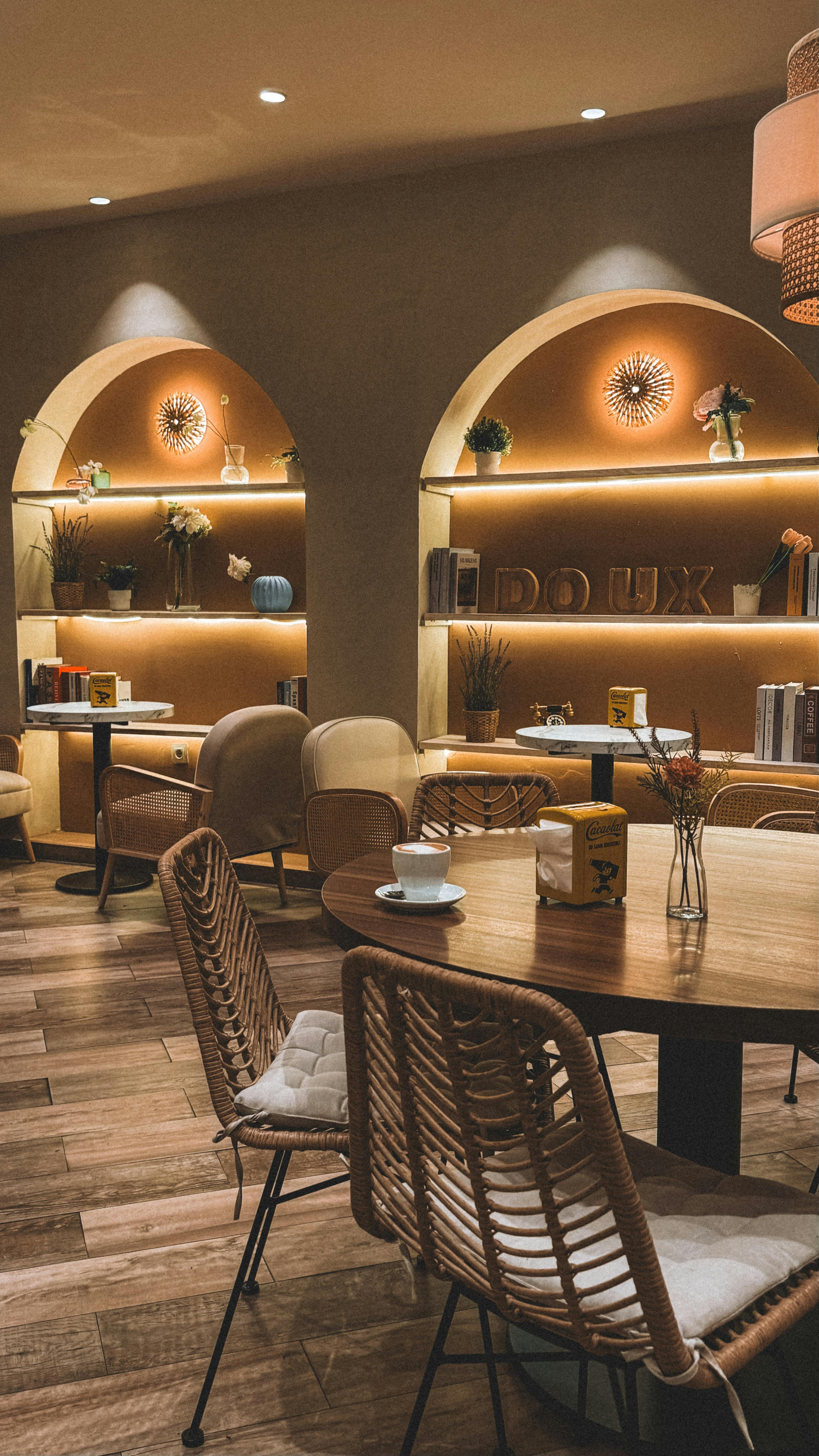
This Photo was taken by Kate Filatova.
Therapeutic wavelength programming
The most sophisticated photonic luxury systems offer precise wavelength programming tailored to individual genetic profiles. Through analysis of your DNA, these systems identify specific light frequencies that will optimize your unique biological processes.
Dr. Sarah Chen, lead researcher at the Institute for Photonic Medicine, notes that “individual genetic variations can affect light sensitivity by as much as 200%. Personalized wavelength therapy represents the next evolution in precision medicine.” Her team’s work has established the protocols now used in high-end residential photonic installations.
Circadian optimization protocols
Beyond basic day-night cycles, advanced photonic systems can manipulate your circadian rhythms with surgical precision. They track your sleep patterns, stress levels, and metabolic markers to deliver exactly the right photonic stimulus at the optimal moment.
The system might deliver a burst of 480nm blue light at 6:47 AM to trigger cortisol release, followed by gradual transitions through therapeutic red wavelengths during your evening routine. This level of precision creates what researchers call “photonic choreography” – a carefully orchestrated dance of light that supports peak human performance.
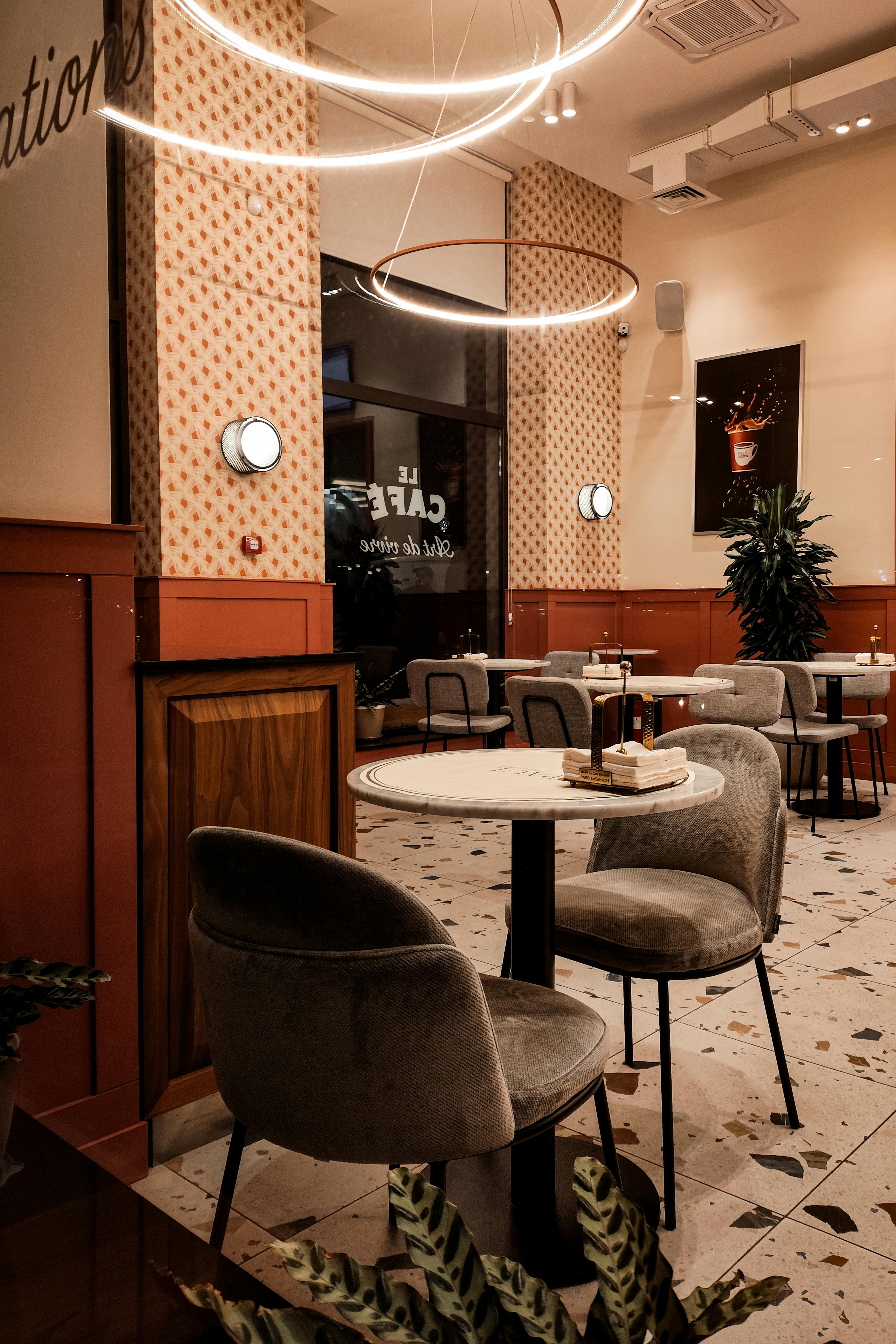
This Photo was taken by Van Mailian.
Integration with neural architecture
The most cutting-edge photonic luxury installations integrate seamlessly with neuroplastic design principles. These systems monitor your brainwave patterns in real-time, adjusting photonic output to enhance cognitive function, creativity, or relaxation as needed.
When you’re working on a complex project, the system detects increased gamma wave activity and responds by delivering specific wavelengths known to enhance focus and problem-solving abilities. During meditation or relaxation, it shifts to frequencies that promote alpha and theta states.
Biometric feedback loops
Advanced installations incorporate multiple biometric sensors – heart rate variability monitors, skin conductance sensors, and even breath analysis systems. This comprehensive biological monitoring allows the photonic environment to respond not just to your conscious intentions, but to your unconscious physiological needs.
The result is an environment that knows you’re stressed before you do, that begins preparing your biology for sleep while you’re still finishing work, and that can detect the early stages of illness and adjust its therapeutic protocols accordingly.
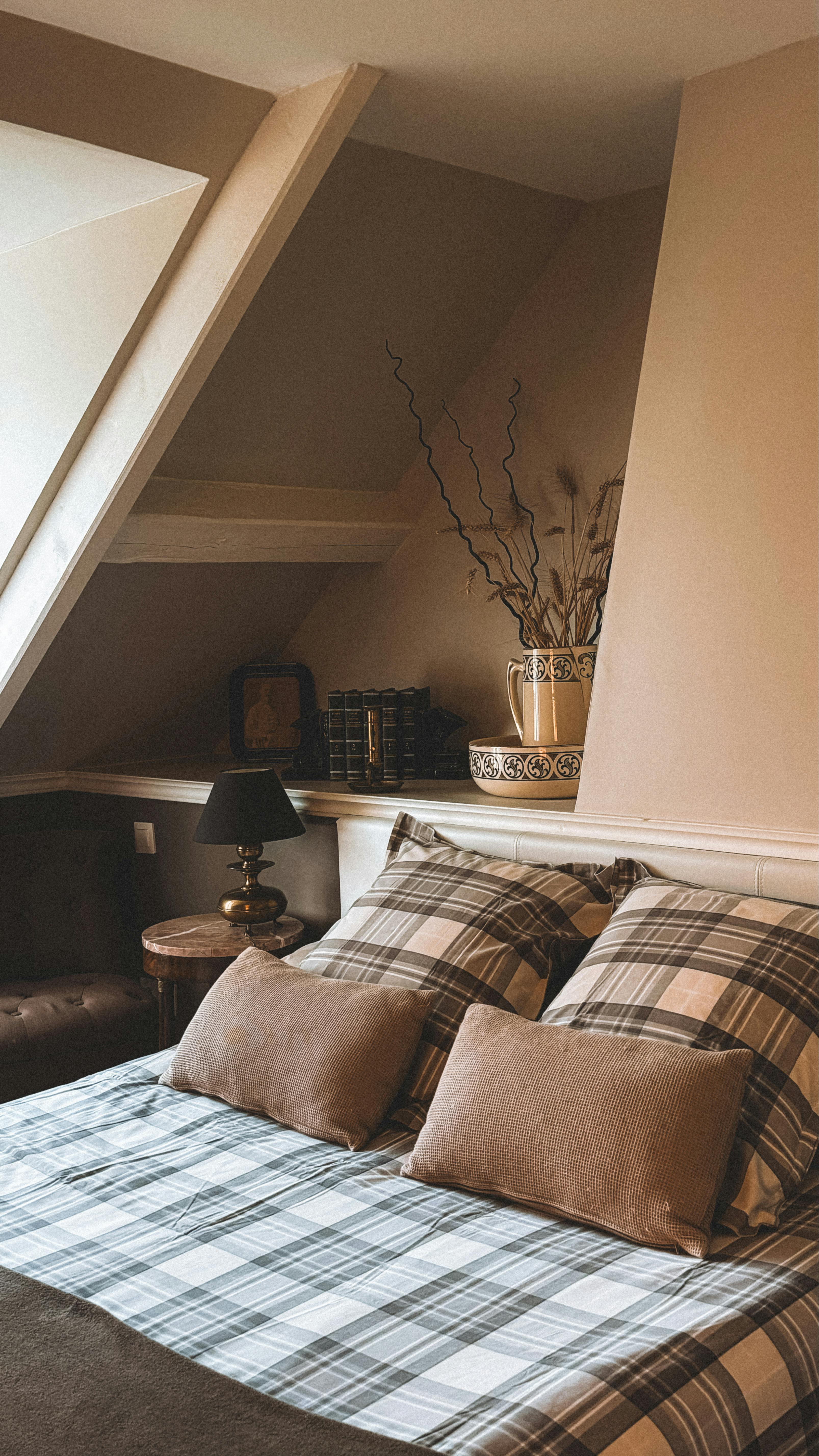
This Photo was taken by Kate Filatova.
The economics of photonic transformation
While photonic luxury installations represent a significant investment, the economic case becomes compelling when you consider the health benefits and energy efficiency gains. Department of Energy data shows that quantum illumination systems can reduce overall energy consumption by 60% compared to traditional lighting while providing therapeutic benefits worth thousands in healthcare savings annually.
Installation costs for a complete photonic luxury system range from $50,000 for a modest apartment to over $500,000 for comprehensive smart home integration. However, early adopters report significant returns through improved sleep quality, enhanced cognitive performance, and reduced medical expenses.
| System Type | Installation Cost | Annual Energy Savings | Health Benefit Value | ROI Timeline |
|---|---|---|---|---|
| Basic Quantum Illumination | $50,000 – $75,000 | $2,400 | $8,500 | 4.6 years |
| Bioluminescent Integration | $125,000 – $200,000 | $4,800 | $15,200 | 6.3 years |
| Full Photonic Luxury | $300,000 – $500,000 | $8,200 | $28,000 | 8.2 years |

This Photo was taken by Kate Filatova.
Implementation challenges and solutions
The transition to photonic luxury isn’t without obstacles. Building codes haven’t caught up with the technology, and many contractors lack the specialized training required for quantum illumination installation. Additionally, maintaining bioluminescent organisms requires ongoing care and specialized knowledge.
The industry has responded by developing standardized training programs and certification processes. Companies like Photonic Environments Inc. now offer complete installation and maintenance packages, handling everything from initial design to ongoing biological system care.
Regulatory considerations
As photonic luxury systems become more sophisticated, regulatory bodies are developing new standards for therapeutic light exposure in residential settings. The FDA is currently reviewing guidelines for quantum illumination therapy systems, while building safety codes are being updated to address bioluminescent architecture requirements.
Early adopters work closely with specialized consultants who understand both the technology and regulatory landscape. This ensures installations meet current safety standards while remaining adaptable to future regulatory changes.
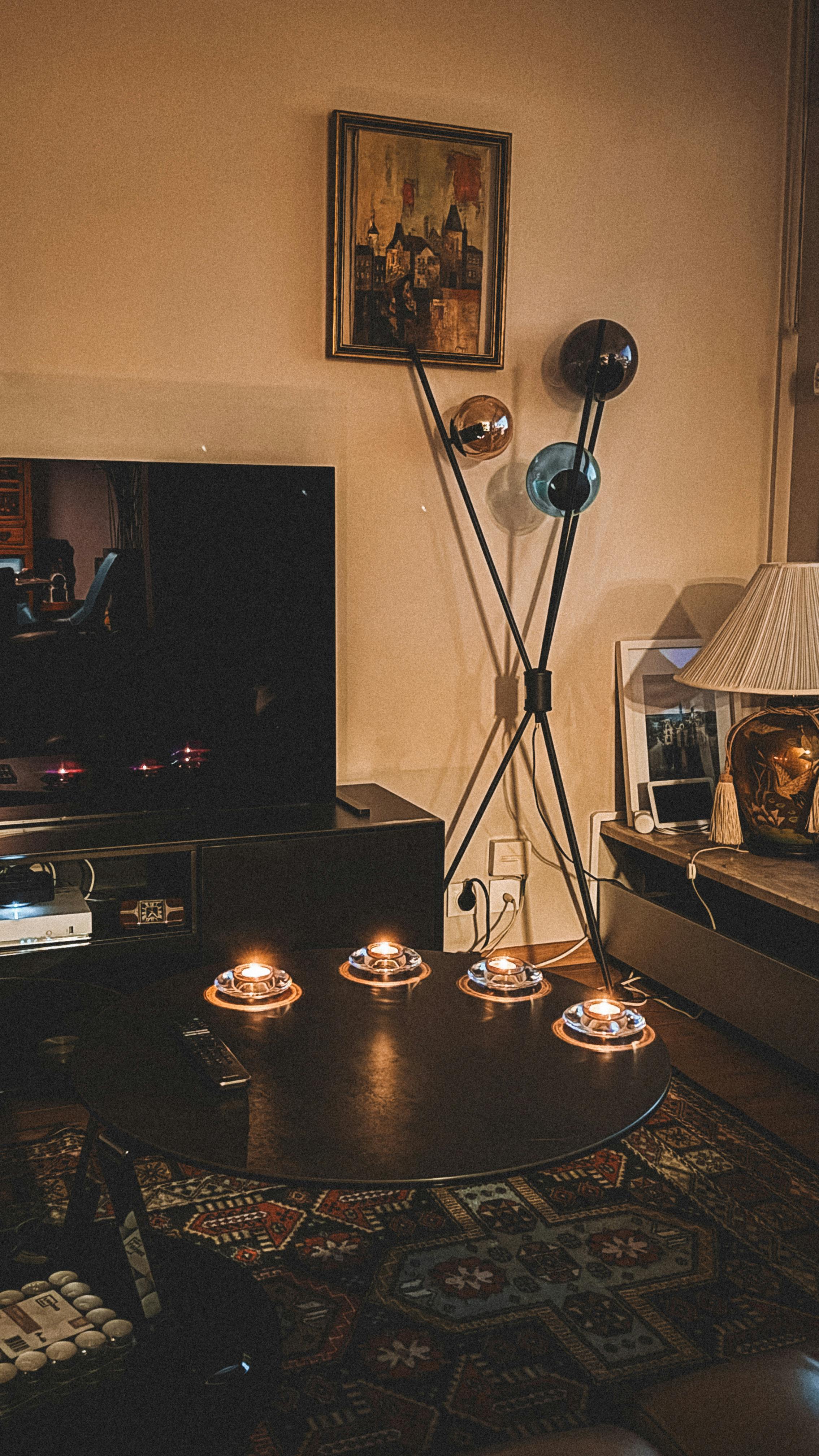
This Photo was taken by Kate Filatova.
Synergy with complementary technologies
Photonic luxury systems achieve their greatest impact when integrated with other advanced architectural technologies. Acoustic frequency healing systems work synergistically with quantum illumination to create multi-sensory therapeutic environments.
The combination creates what researchers call “photonic-acoustic resonance” – a phenomenon where specific light and sound frequencies amplify each other’s therapeutic effects. Users report profound experiences of relaxation and rejuvenation that neither technology could achieve alone.
Similarly, these systems complement chronotherapy healing systems by providing the precise photonic triggers needed for optimal circadian rhythm management. The integration creates environments that don’t just exist in space, but actively manipulate your perception and experience of time itself.
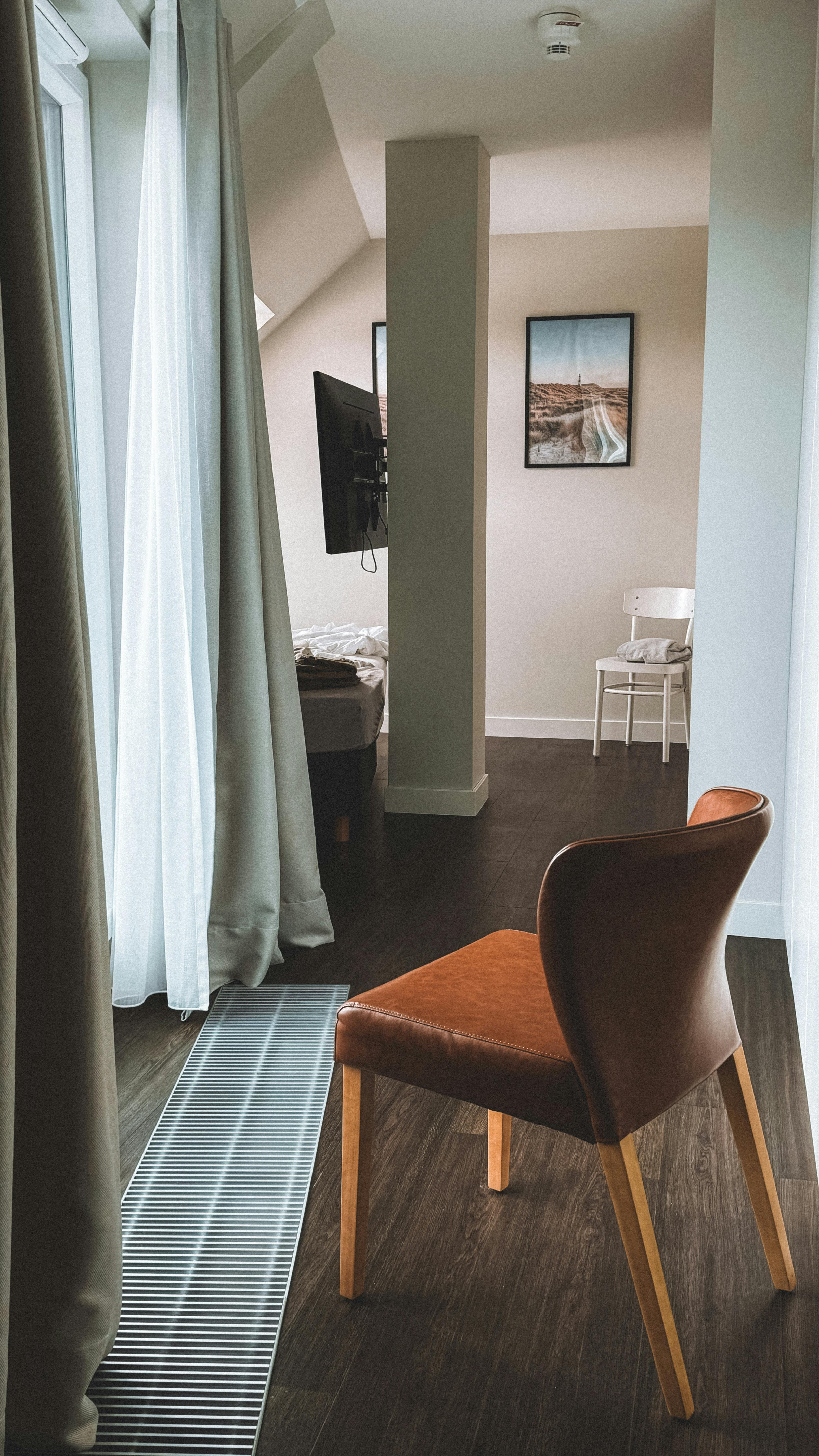
This Photo was taken by Kate Filatova.
Future developments on the horizon
The photonic luxury field continues evolving rapidly. Researchers at Stanford’s Photonic Systems Laboratory are developing second-generation quantum illumination systems that can maintain coherence over much larger spaces and for extended periods.
By 2026, we expect to see photonic systems that can create localized fields of therapeutic light around individual users, following them through spaces and adapting in real-time to their activities and biological needs. These “photonic auras” will represent the ultimate in personalized light therapy.
Advances in synthetic biology are also pushing the boundaries of bioluminescent architecture. New organisms under development can produce previously impossible color combinations and respond to increasingly subtle environmental cues. Some experimental systems can even communicate with each other, creating networked biological lighting that exhibits emergent behaviors.
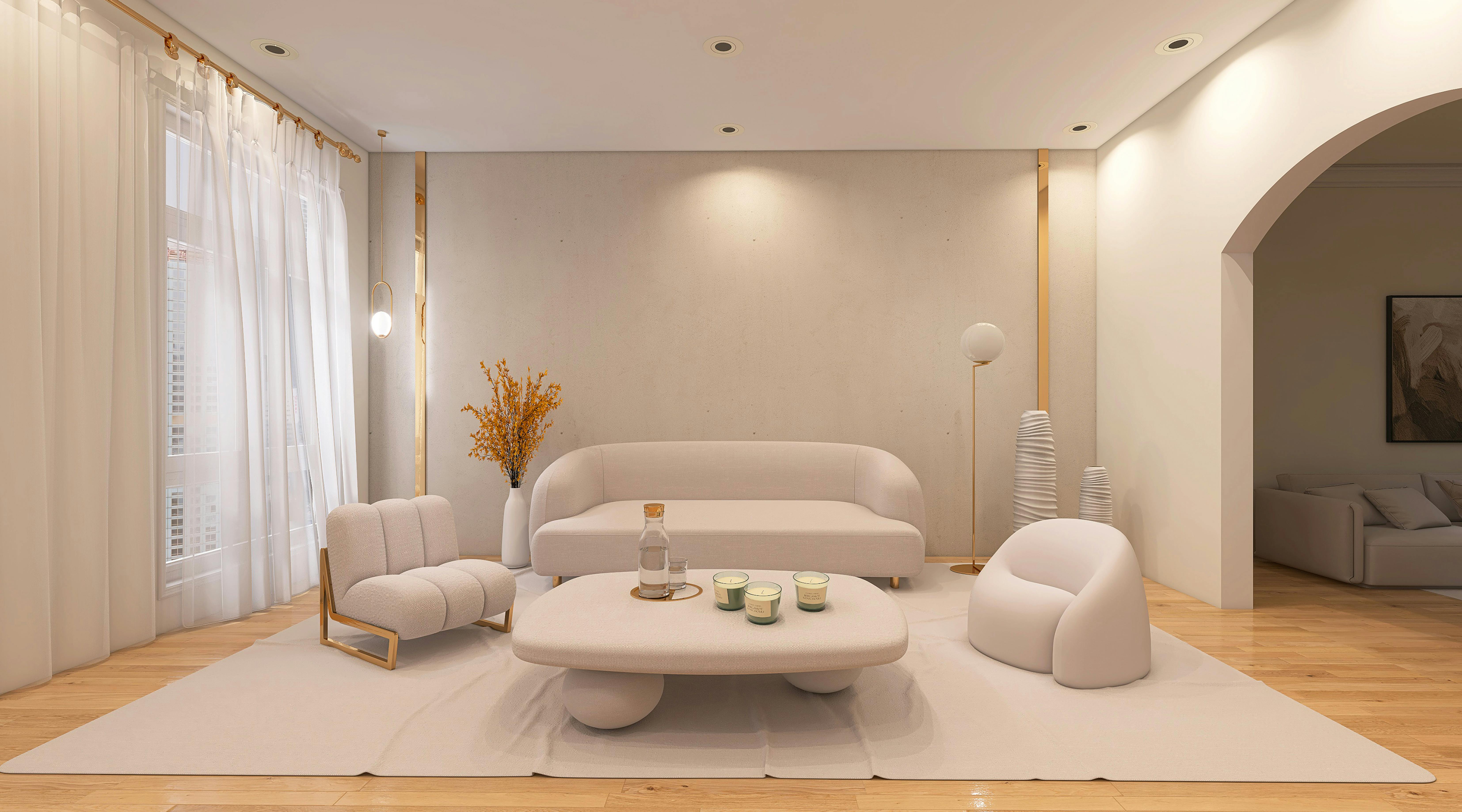
This Photo was taken by Hello Pipcke.
Frequently asked questions
How safe are quantum illumination therapy systems for long-term exposure?
Quantum illumination systems use the same wavelengths found in natural sunlight but with precise control and therapeutic timing. Clinical studies show no adverse effects from long-term exposure to properly calibrated systems. The quantum coherence actually makes the light more biologically compatible than conventional artificial lighting.
What maintenance do bioluminescent systems require?
Bioluminescent systems require monthly nutrient supplementation and quarterly biological health assessments. Professional maintenance services handle these requirements, similar to how you might service an HVAC system. The organisms are engineered for longevity and typically maintain peak performance for 3-5 years before requiring renewal.
Can photonic luxury systems work in existing homes?
Yes, retrofit installations are possible but may require significant electrical and structural modifications. The most effective approach involves installing quantum illumination systems during major renovations. Basic photonic therapy systems can be added to existing lighting circuits with minimal construction.
How do these systems affect pets and plants?
Most household pets adapt well to photonic environments and often show improved health markers. Plants typically thrive under quantum illumination systems due to the full spectrum and optimized wavelengths. However, some sensitive species may require specialized programming or exclusion zones.
What happens during power outages?
Bioluminescent components continue functioning independently during power outages, providing emergency illumination. Quantum systems include battery backup that maintains core therapeutic functions for 8-12 hours. Many installations incorporate renewable energy sources for extended autonomous operation.
How do costs compare to high-end traditional lighting systems?
Initial costs are significantly higher than traditional luxury lighting, but operational savings and health benefits provide compelling long-term value. When factored over a 10-year period including energy savings and health improvements, photonic luxury systems often achieve cost parity with premium conventional installations.
Illuminating the future of human habitation
Photonic luxury represents more than technological advancement – it embodies a fundamental shift in how we conceive the relationship between built environments and human biology. As we move through 2026, these systems will transform from exclusive luxury installations to essential infrastructure for optimal human performance and wellness.
The implications extend far beyond individual homes. Cities are beginning to incorporate photonic design principles into public spaces, hospitals are integrating therapeutic lighting into patient care, and workplaces are discovering the productivity benefits of quantum illumination. We’re witnessing the emergence of a world where light doesn’t just illuminate – it heals, energizes, and optimizes human potential.
The convergence of quantum physics, synthetic biology, and architectural design has created possibilities that seemed impossible just a decade ago. As these technologies mature and become more accessible, photonic luxury will define the next generation of human habitats. Your home won’t just shelter you from the elements – it will actively contribute to your health, enhance your capabilities, and create an environment perfectly attuned to your biological needs. The future of interior design isn’t just about how spaces look – it’s about how they make you feel, heal, and thrive at the deepest cellular level.