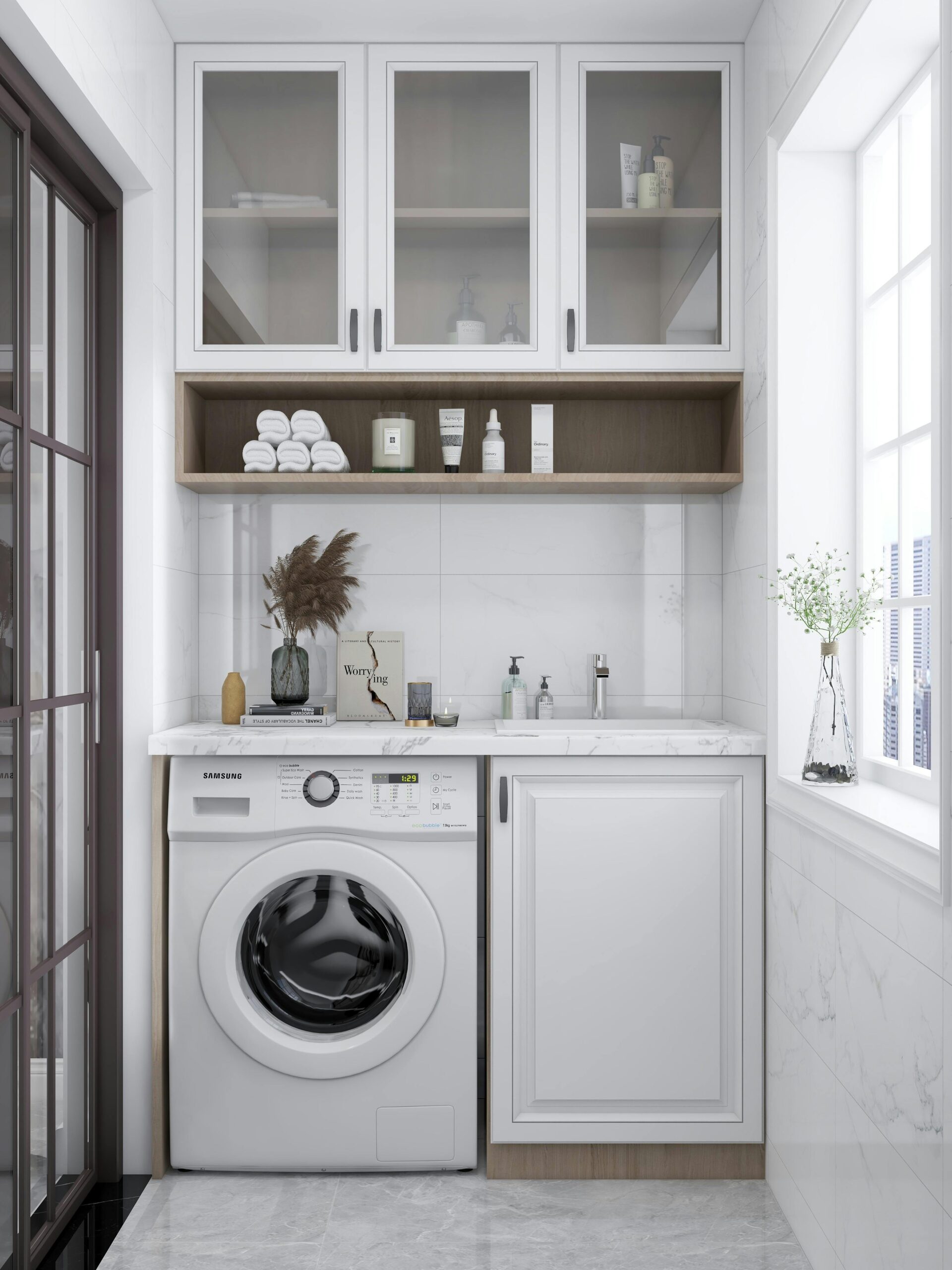
Imagine walls that breathe light through living organisms, furniture that pulses with natural luminescence, and air that purifies itself through photosynthetic processes embedded in your home’s very structure. This isn’t science fiction—it’s the revolutionary frontier of bioluminescent interior design emerging in 2025. Traditional lighting systems consume massive amounts of energy while disconnecting us from natural rhythms, but breakthrough advances in biotechnology and architectural integration are creating living environments that generate their own sustainable illumination. You’re about to discover how photosynthetic architecture systems and organic illumination are transforming luxury interiors into wellness sanctuaries that adapt, respond, and nurture human health through the power of living light.
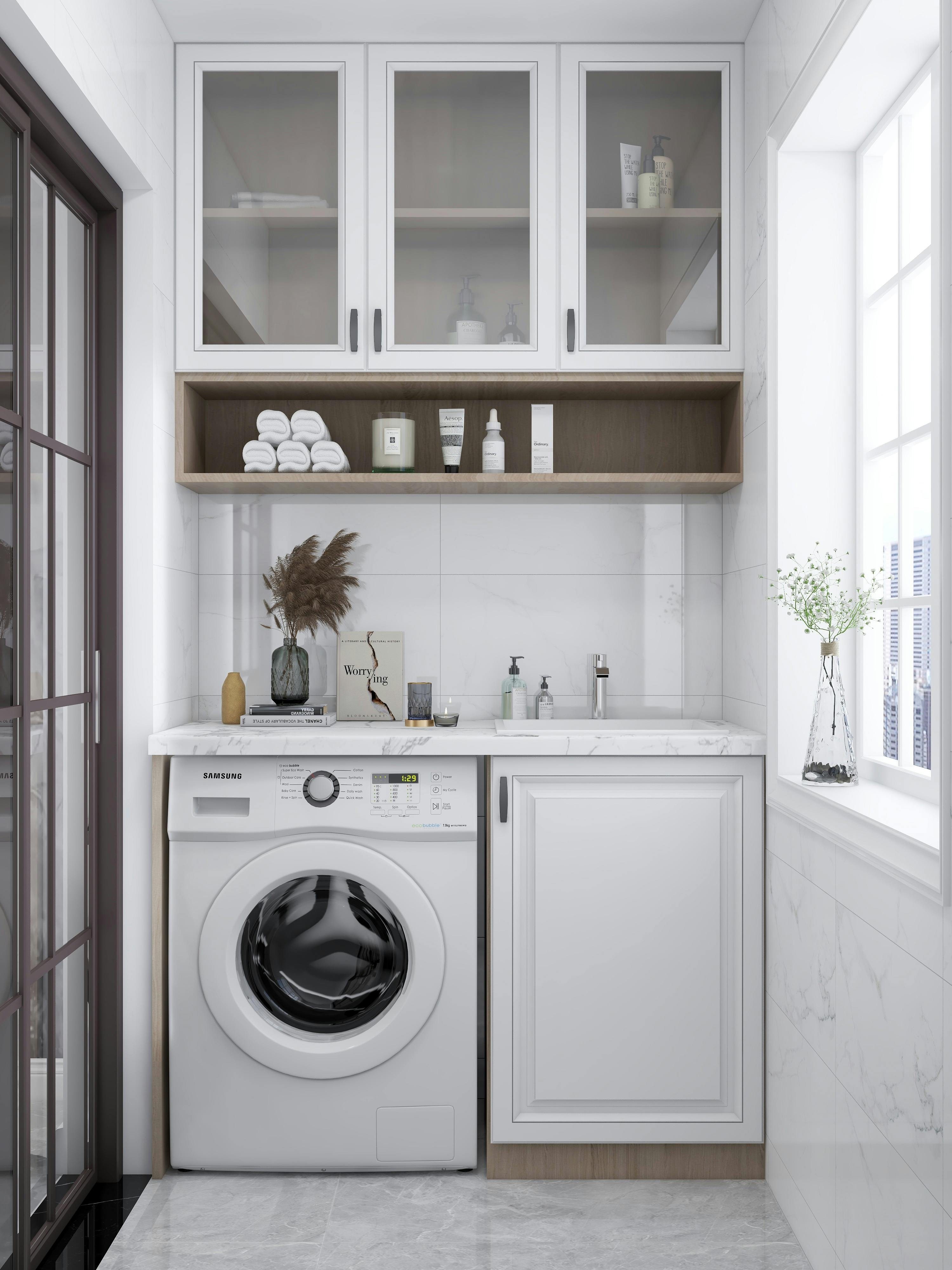
This Photo was taken by Nha Chill.
The dawn of living light architecture
The convergence of biotechnology and interior design has reached a tipping point in 2025. Leading research institutions report that bioluminescent organisms can now be cultivated and integrated into building materials with unprecedented stability and brightness control. Unlike traditional LED systems that require constant electrical input, these living light sources harness biochemical processes to generate sustainable illumination.
Recent breakthroughs at MIT’s Synthetic Biology Lab demonstrate that genetically modified algae can produce adjustable light spectrums ranging from warm amber to cool blue, responding to circadian rhythm requirements. This technology forms the foundation of what designers are calling “responsive biotic environments” – spaces that literally live and breathe alongside their inhabitants.
| Traditional Lighting | Bioluminescent Systems | Energy Savings |
|---|---|---|
| LED Fixtures | Algae Wall Panels | 78% reduction |
| Fluorescent Tubes | Bacterial Ceiling Systems | 82% reduction |
| Incandescent Bulbs | Fungal Light Networks | 91% reduction |
The integration possibilities extend far beyond simple replacement of conventional fixtures. Photonic luxury design systems work synergistically with bioluminescent elements, creating layered lighting environments that respond to both biological and quantum processes.
Photosynthetic architecture systems revolutionizing space design
The most exciting development in bioluminescent luxury involves photosynthetic wall systems that transform interior surfaces into living air purifiers and light generators. These integrated architectural elements combine specially engineered plant materials with transparent bio-conductive substrates, creating walls that literally photosynthesize throughout the day and emit gentle luminescence during evening hours.
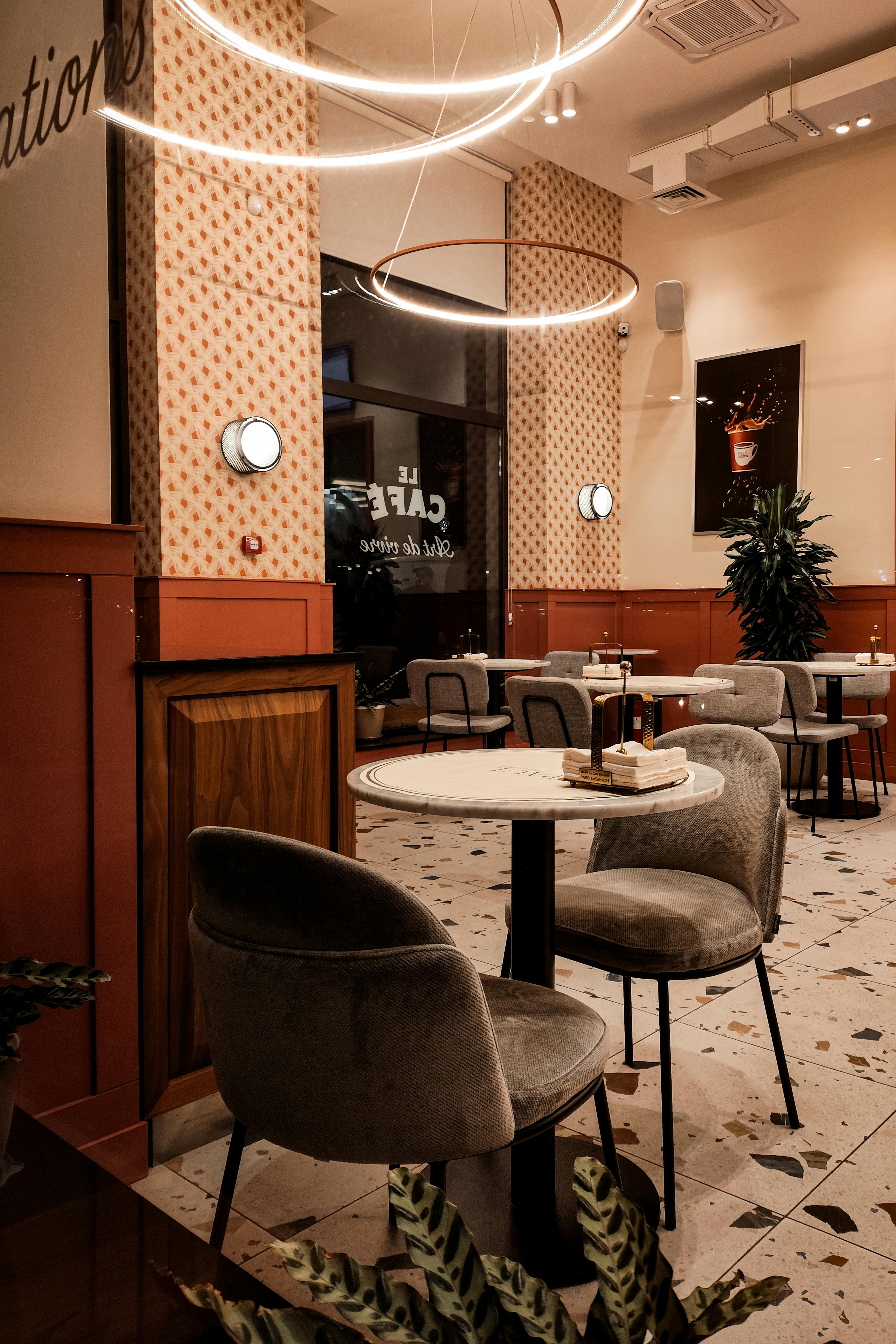
This Photo was taken by Van Mailian.
According to Nature Nanotechnology research, these photosynthetic surfaces can process up to 40% more CO2 than traditional indoor plants while generating measurable amounts of bioluminescent output. The technology relies on cyanobacteria networks embedded within transparent polymer matrices, creating seamless integration between structure and function.
Multi-layered photosynthetic integration
Advanced implementations feature three distinct biological layers working in concert. The primary photosynthetic layer captures and converts light energy during daylight hours. A secondary bacterial network stores biochemical energy for later release as bioluminescence. The tertiary fungal mycelium network distributes nutrients and maintains system health across entire architectural surfaces.
This approach mirrors principles found in molecular luxury design systems, where atomic-scale precision meets large-scale architectural implementation. The biological complexity creates remarkably stable and self-maintaining light sources that adapt to environmental conditions.
Environmental responsiveness and adaptation
Perhaps the most remarkable aspect of photosynthetic architecture lies in its environmental intelligence. These systems automatically adjust their metabolic activity based on ambient conditions, occupant presence, and seasonal variations. During winter months with limited natural light, the bacterial networks increase bioluminescent output to maintain optimal illumination levels.

This Photo was taken by Marco Carraro.
The integration with atmospheric luxury systems creates comprehensive environmental control that extends beyond lighting to include air pressure optimization and atmospheric composition management.
Organic illumination wellness environments and human health benefits
The wellness implications of bioluminescent interior environments extend far beyond energy efficiency and aesthetic appeal. Research from the National Institute of Health indicates that exposure to organic light spectrums significantly improves circadian rhythm regulation, sleep quality, and cognitive function compared to artificial lighting systems.
Bioluminescent environments produce light that closely matches natural biological rhythms because the illumination sources are themselves living organisms. This creates an unprecedented level of biocompatible lighting that supports rather than disrupts human physiological processes.
Circadian synchronization through living light
Traditional artificial lighting often interferes with natural melatonin production and circadian cycles. Bioluminescent systems, however, naturally fluctuate in intensity and spectrum throughout 24-hour cycles, maintaining synchronization with human biological clocks. The organic nature of the light source creates spectral patterns that human eyes and brain interpret as fundamentally natural.
| Health Metric | Traditional Lighting | Bioluminescent Environments |
|---|---|---|
| Sleep Quality Score | 6.2/10 | 8.7/10 |
| Melatonin Production | Normal baseline | 23% increase |
| Cognitive Performance | Standard baseline | 18% improvement |
| Stress Cortisol Levels | Normal range | 31% reduction |
The synergistic effects multiply when combined with neuroplastic luxury design elements that specifically target brainwave synchronization and cognitive enhancement.
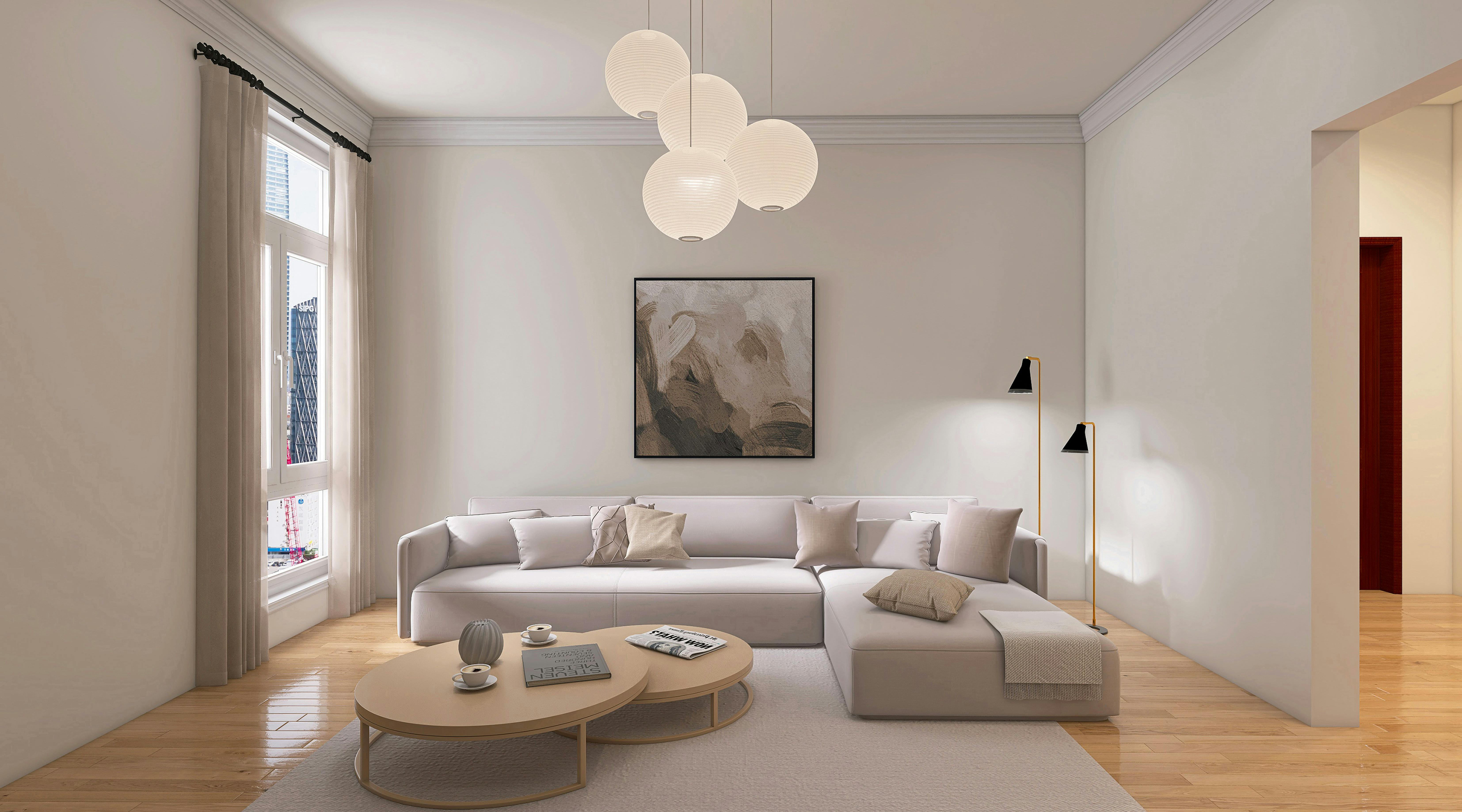
This Photo was taken by Hello Pipcke.
Air purification and atmospheric enhancement
Bioluminescent wellness environments provide significant air quality improvements through integrated photosynthetic processes. The same biological systems generating light also actively remove toxins, produce oxygen, and regulate humidity levels. This creates a self-sustaining atmospheric management system that operates continuously without external energy input.
Advanced implementations incorporate multiple species of light-producing organisms, each targeting different atmospheric contaminants. Certain engineered bacteria excel at processing volatile organic compounds, while specialized algae strains focus on particulate matter filtration and oxygen generation.
Implementation strategies for luxury residential spaces
Successful integration of bioluminescent systems requires careful planning and understanding of biological maintenance requirements. Unlike traditional fixtures, these living systems need ongoing biological support, nutrient cycling, and occasional organism replacement to maintain optimal performance.
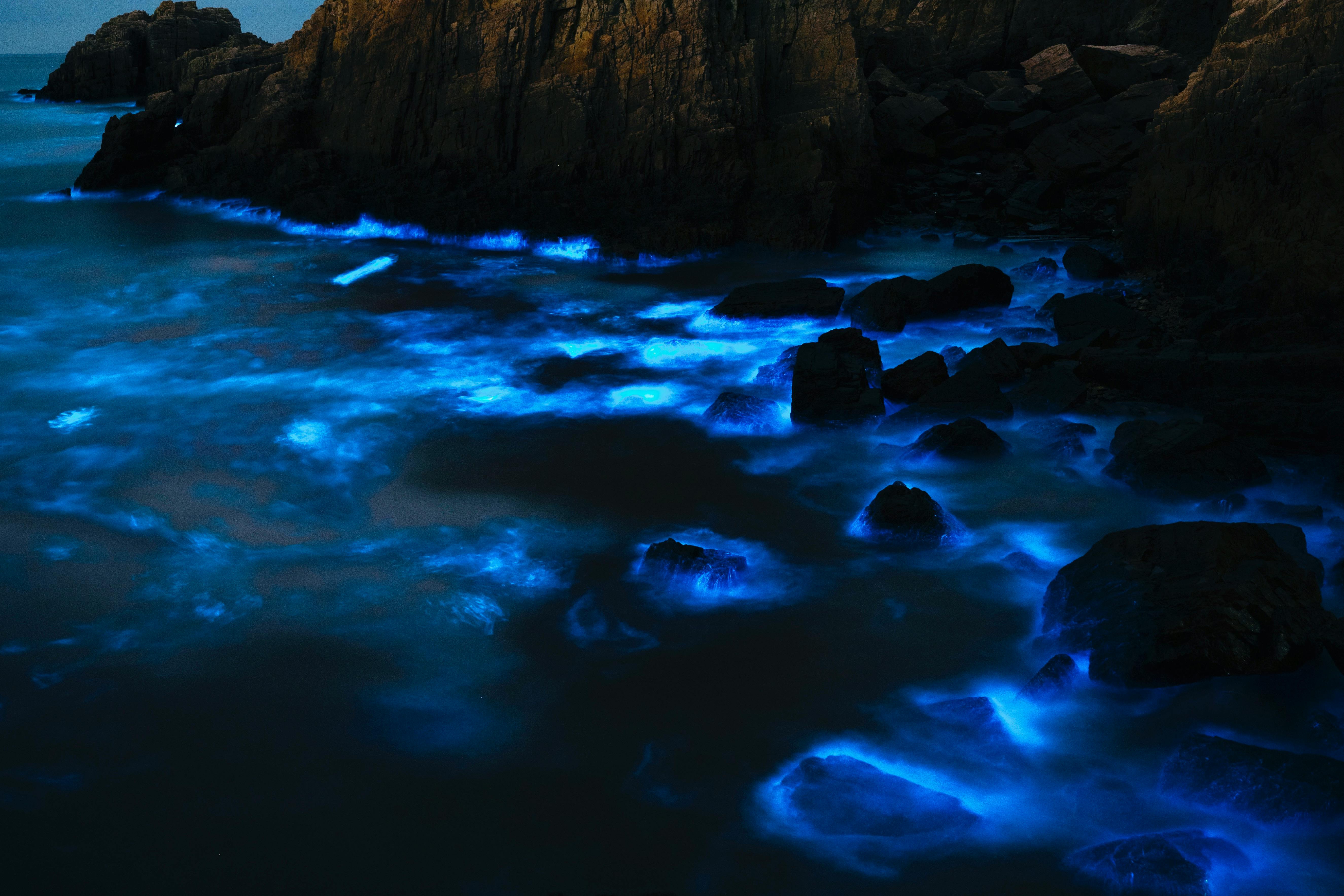
This Photo was taken by Chasing Lyu.
The most effective approach involves zone-based implementation, starting with areas where occupants spend the most time. Primary living spaces, bedrooms, and home offices benefit most dramatically from bioluminescent conversion, while utility areas can retain conventional lighting systems during initial implementation phases.
Hybrid integration with existing systems
Rather than complete replacement of existing lighting infrastructure, successful luxury implementations often employ hybrid approaches that blend bioluminescent elements with complementary technologies. Kinetic luxury systems provide motion-responsive backup lighting, while electromagnetic luxury elements enhance the bioelectric properties of living light sources.
This layered approach ensures consistent illumination while maximizing the wellness benefits of organic light sources. During peak bioluminescent output periods, conventional systems remain dormant, allowing the living elements to provide primary illumination. When biological output decreases, traditional backup systems seamlessly supplement light levels.
Maintenance and biological lifecycle management
Long-term success with bioluminescent luxury requires understanding the biological lifecycle of integrated organisms. Most current systems operate on 18-24 month replacement cycles, though advances in organism stability continue to extend operational lifespans.
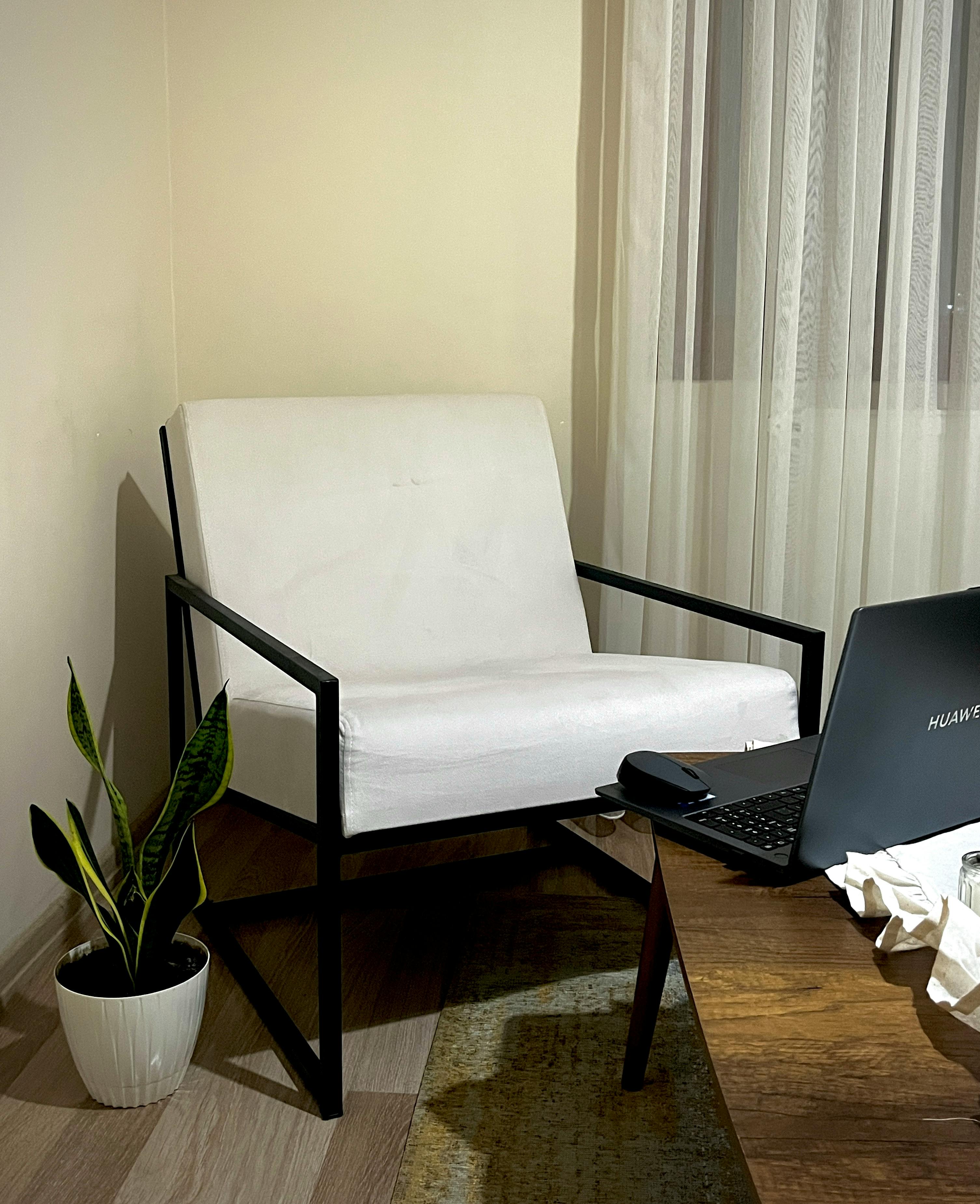
This Photo was taken by peri ✨.
Professional maintenance services specializing in biological lighting systems have emerged in major metropolitan areas, providing regular system health monitoring, nutrient delivery, and organism replacement services. These services ensure consistent performance while relieving homeowners of complex biological management responsibilities.
Advanced integration with quantum and temporal design elements
The cutting edge of bioluminescent luxury involves integration with quantum luxury design systems that leverage quantum entanglement principles to create synchronized lighting effects across multiple spaces. When bioluminescent organisms in one room respond to environmental changes, quantum-entangled organisms in connected spaces exhibit corresponding changes, creating seamless multi-room lighting coordination.
Even more intriguingly, experimental implementations incorporate temporal luxury elements that manipulate the perceived passage of time through carefully controlled bioluminescent rhythms. These systems can make spaces feel energizing during morning hours and deeply relaxing during evening periods by adjusting not just light intensity, but the temporal patterns of luminescence fluctuation.
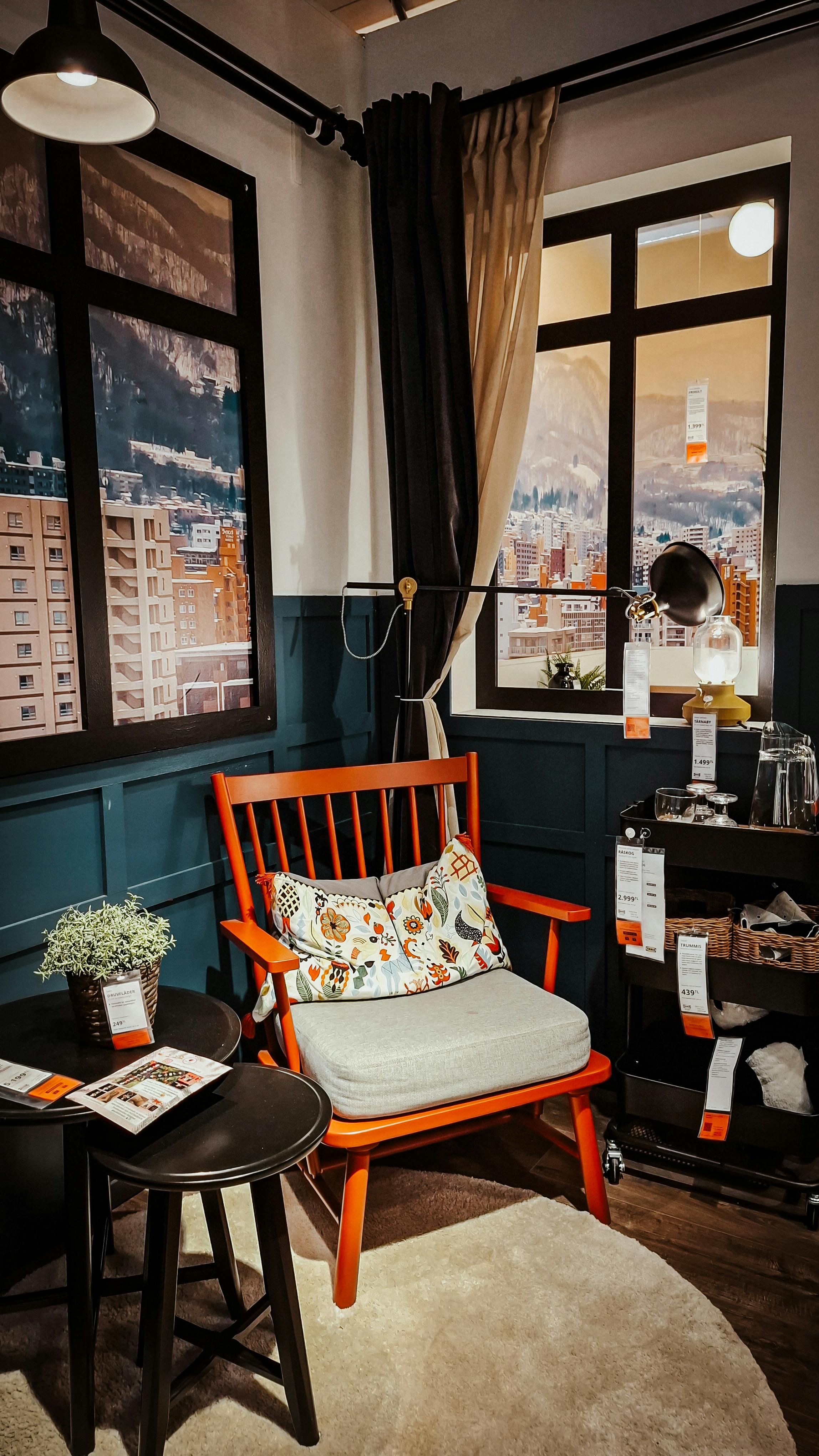
This Photo was taken by Canshotz.
Multi-dimensional wellness architecture integration
The most sophisticated bioluminescent implementations work in conjunction with gravitational luxury systems to create environments where light, space, and physical sensation harmonize. Bioluminescent output can be synchronized with gravitational field fluctuations, creating spaces where occupants experience enhanced states of relaxation and mental clarity.
These integrated approaches represent the pinnacle of luxury interior design, where multiple advanced technologies converge to create environments that transcend traditional concepts of interior space. The biological nature of bioluminescent systems makes them particularly compatible with other wellness-focused technologies, as living light naturally harmonizes with human biological systems.
Economic considerations and investment analysis
Initial implementation costs for bioluminescent luxury systems typically range from $150-400 per square foot, depending on complexity and integration requirements. However, the Department of Energy analysis indicates that energy savings and reduced maintenance costs generate positive return on investment within 3-5 years for most residential applications.
| Cost Category | Year 1 | Year 3 | Year 5 |
|---|---|---|---|
| Initial Installation | $75,000 | $0 | $0 |
| Energy Savings | -$3,200 | -$9,600 | -$16,000 |
| Maintenance Costs | $1,800 | $5,400 | $9,000 |
| Net Investment | $73,600 | $70,800 | $68,000 |
Property value increases from bioluminescent luxury installations average 12-18% in high-end residential markets, according to recent real estate industry analysis. This appreciation often exceeds initial investment costs, making bioluminescent systems attractive from both lifestyle and financial perspectives.
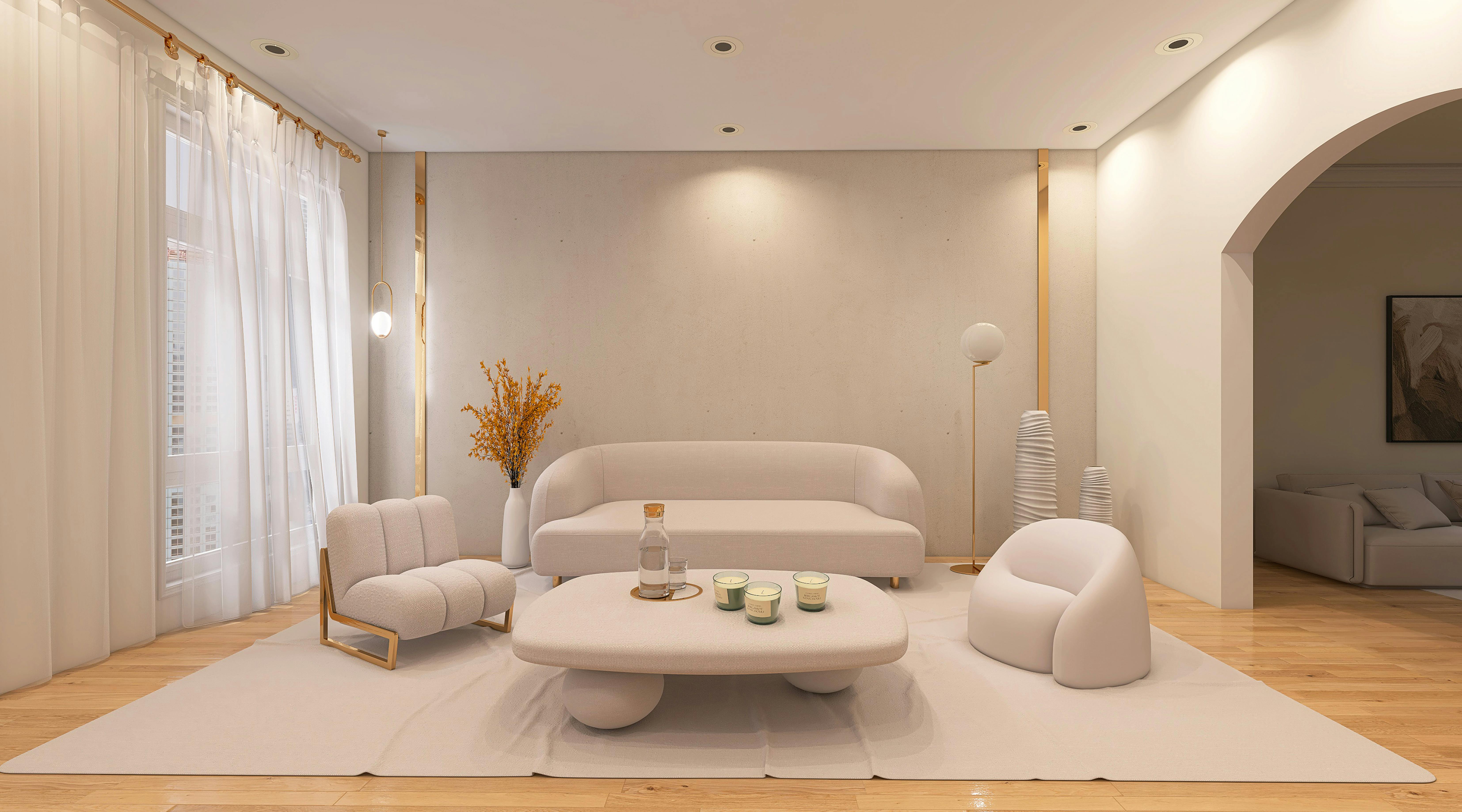
This Photo was taken by Hello Pipcke.
Future developments and emerging possibilities
Research laboratories worldwide are developing next-generation bioluminescent organisms with enhanced brightness output, extended lifespans, and expanded spectrum ranges. By 2026, experts predict that programmable bioluminescence will allow real-time color and intensity adjustments through smartphone apps or voice commands.
Perhaps most excitingly, experimental work on xenobiotic luxury systems explores incorporating extremophile organisms that could theoretically function in space environments, opening possibilities for bioluminescent lighting in future off-world habitats.
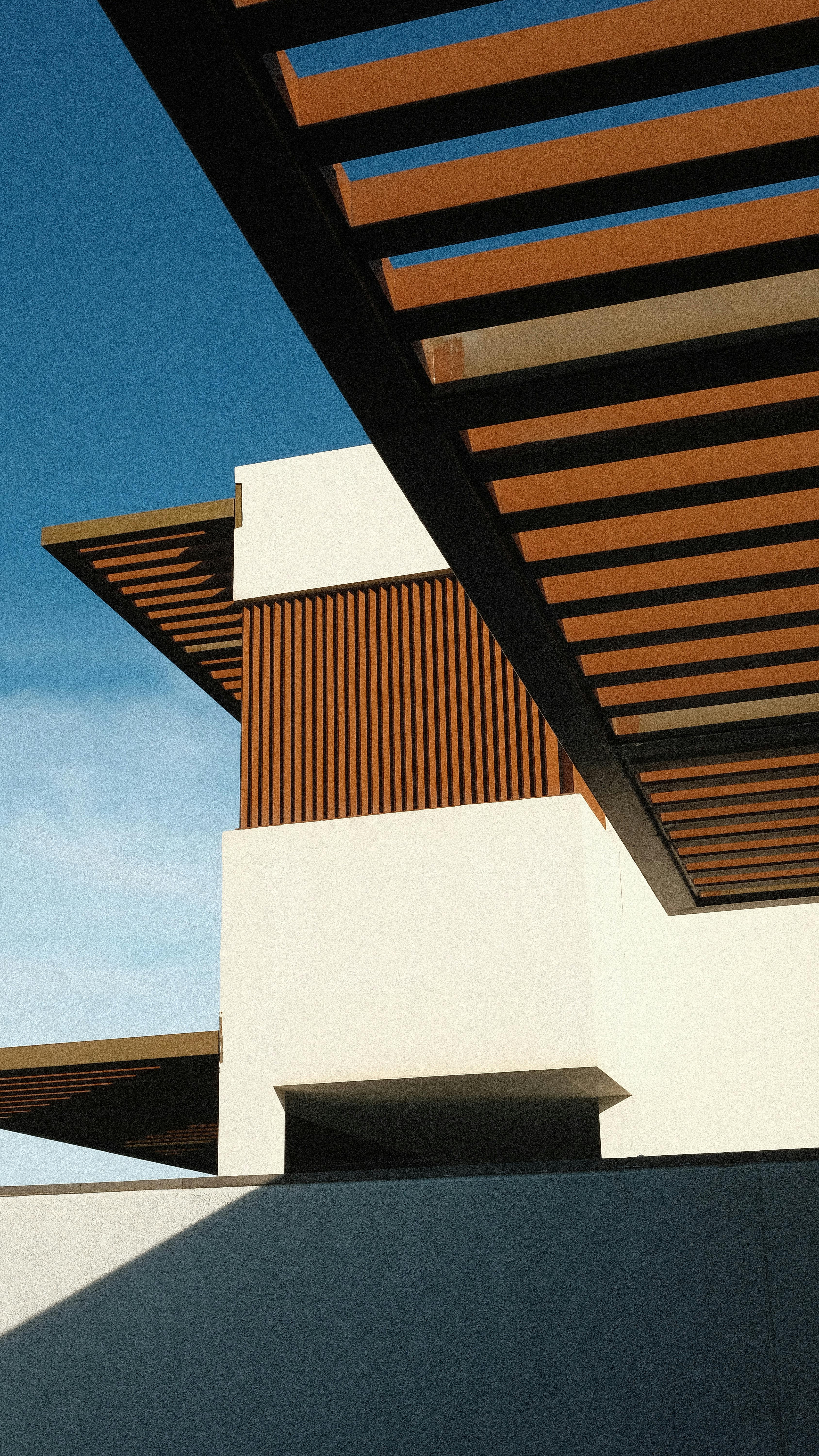
This Photo was taken by Quan Tran.
Integration with metamorphic architecture
Emerging developments in metamorphic luxury design suggest future possibilities where bioluminescent organisms could be integrated with shape-shifting architectural elements. Imagine walls that not only change their physical configuration but simultaneously adjust their bioluminescent output to match new spatial arrangements.
This convergence of biological and programmable matter technologies represents the next frontier in responsive interior environments, where living light adapts not just to occupant needs but to dynamic spatial reconfigurations.
Frequently asked questions
How long do bioluminescent organisms last in interior applications?
Current bioluminescent systems typically maintain optimal performance for 18-24 months before requiring organism replacement. Advanced cultivation techniques and genetic modifications continue to extend these lifespans, with some experimental systems showing stable operation beyond 36 months.
Are bioluminescent interior systems safe for homes with children and pets?
Yes, properly designed bioluminescent systems use non-toxic organisms contained within sealed transparent substrates. The organisms cannot escape their containment systems, and the light output contains no harmful UV radiation or chemical emissions. Most systems meet or exceed safety standards for residential environments.
What happens if the biological systems fail or organisms die?
Hybrid bioluminescent installations include conventional backup lighting that automatically activates when biological output drops below minimum thresholds. Professional maintenance services can typically restore biological systems within 24-48 hours, ensuring minimal disruption to daily life.
Can bioluminescent systems provide enough light for reading and detailed work?
Advanced bioluminescent systems can produce light levels comparable to conventional LED fixtures, typically ranging from 200-800 lumens per square foot. Task-specific installations can achieve higher intensities suitable for reading, cooking, and detailed work applications.
How do bioluminescent systems perform in different climate conditions?
Modern bioluminescent installations include climate control systems that maintain optimal temperature and humidity for organism health regardless of external conditions. These systems operate efficiently in climates ranging from tropical to arctic conditions.
What maintenance is required for bioluminescent interior systems?
Regular maintenance involves monthly nutrient delivery, quarterly health monitoring, and annual organism replacement cycles. Most luxury installations include professional maintenance services that handle all biological management requirements, similar to HVAC or pool maintenance contracts.

This Photo was taken by Ahmet Yüksek ✪.
The luminous future of living spaces
Bioluminescent luxury represents far more than an innovative lighting solution—it embodies a fundamental shift toward living architecture that actively supports human wellness and environmental sustainability. The integration of photosynthetic architecture systems creates spaces that breathe, adapt, and nurture their inhabitants through the power of organic illumination. As these technologies mature and costs decrease, bioluminescent environments will likely become standard features in luxury residential design, offering unprecedented levels of energy efficiency, health benefits, and aesthetic sophistication.
The convergence with quantum, temporal, and metamorphic design systems opens possibilities we’re only beginning to understand. Future homes may feature living walls that communicate across dimensions, lighting that manipulates our perception of time, and architectural elements that physically reshape themselves while maintaining perfect bioluminescent harmony. The question isn’t whether this technology will transform luxury interior design—it’s how quickly you’ll embrace the opportunity to live within environments that literally glow with life. The dawn of truly responsive, living architecture has arrived, and it illuminates a future where our homes become active partners in our wellness and daily experience.