
A US homeowner comparing bathroom remodel contractors before approving demolition should identify which proposal clearly assigns permits, waterproofing, allowances, inspections, and change orders before a shower niche, pan test, or GFCI outlet becomes hidden work inside the walls. The decision matters because vague bathroom scopes shift leak risk, failed inspections, surprise invoices, and warranty disputes from the contractor’s bid to the homeowner’s project.
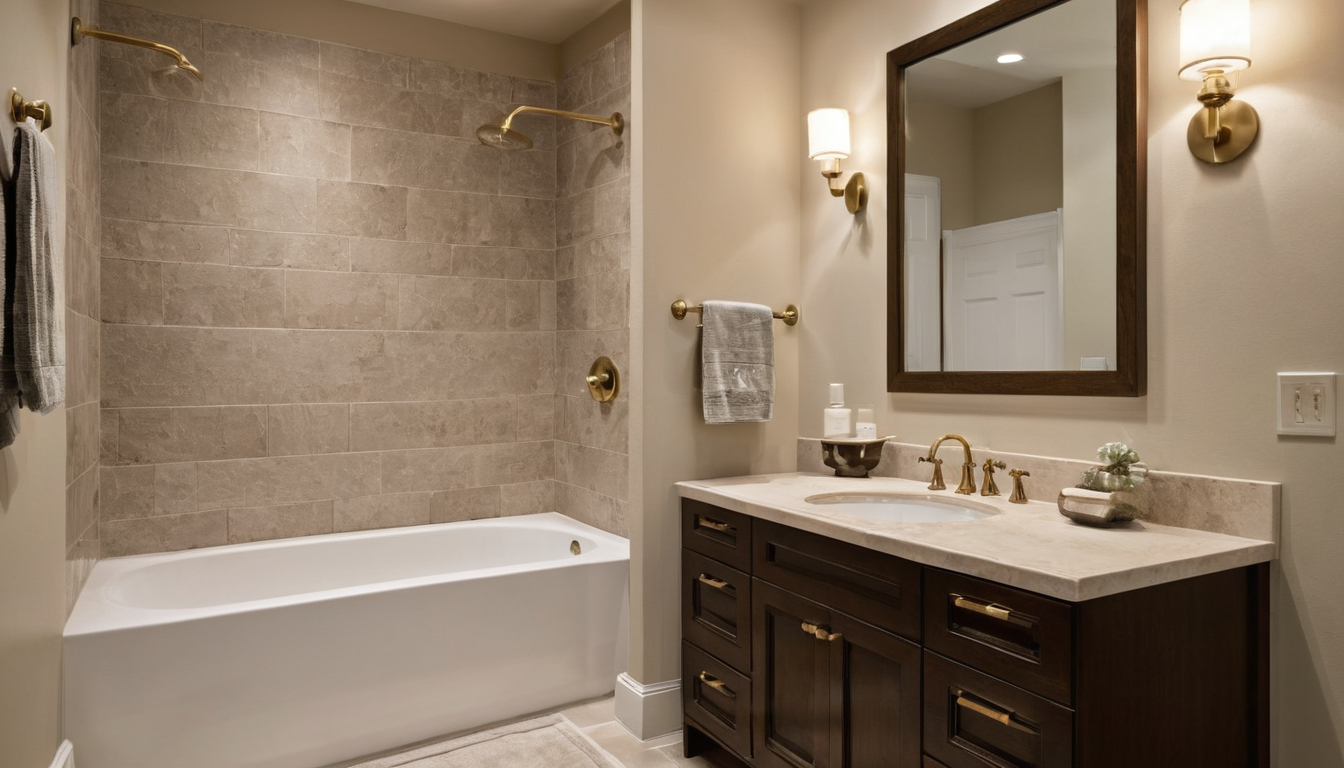
How to Compare Bathroom Remodel Contractors Before You Sign a Scope of Work shown as an editorial reference for proportion and finish coordination.
A complete bathroom remodel contractor scope names the room, assemblies, fixtures, trades, exclusions, and owner selections before demolition
A bathroom remodel contractor scope is complete only when a US homeowner can identify what will be removed, what will be rebuilt, which products are included, which trades are responsible, and what is excluded before demolition shifts risk into open walls.
| Scope line | Comparable wording | Risky wording |
|---|---|---|
| Demolition and protection | Remove existing tub, tile, vanity, toilet, drywall at wet wall as needed; install floor protection, dust barrier, daily cleanup, and haul-off. | Demo bathroom. |
| Fixture schedule | List toilet, valve, shower head, drain, vanity, faucet, mirror, fan, and lights by manufacturer, model, finish, quantity, rough-in needs, supplier, and installer. | Install owner selections. |
| Finish schedule | Name tile size, intended use, grout type, trim profile, paint system, countertop material, hardware, and accessories. | Tile as needed. |
| Exclusions | State permit fees, design drawings, engineering, hazardous-material testing, concealed water damage, joist repair, and panel upgrades separately. | Excludes unforeseen items. |
| Concealed conditions | Price subfloor repair by stated unit or written change order after photos and homeowner approval. | Repair damage if found. |
What should the bathroom demolition and protection line item include?
The demolition line should describe containment for an occupied single-family home or condominium, including dust barriers, floor protection from entry door to bathroom, disposal method, dumpster or bagster responsibility, daily broom-clean expectations, and whether negative air is included. If pre-1978 paint will be disturbed, the proposal should address lead-safe work practices before anyone opens walls or scrapes trim.
Hidden-condition wording should separate testing from repair. Asbestos testing, mold remediation, structural repair, and concealed water damage are often outside a base bathroom bid. The U.S. Environmental Protection Agency mold and moisture guide says wet or damp spots should be fixed promptly to help prevent mold growth, so a vague “owner responsible” clause is not enough when the shower wall is already soft.
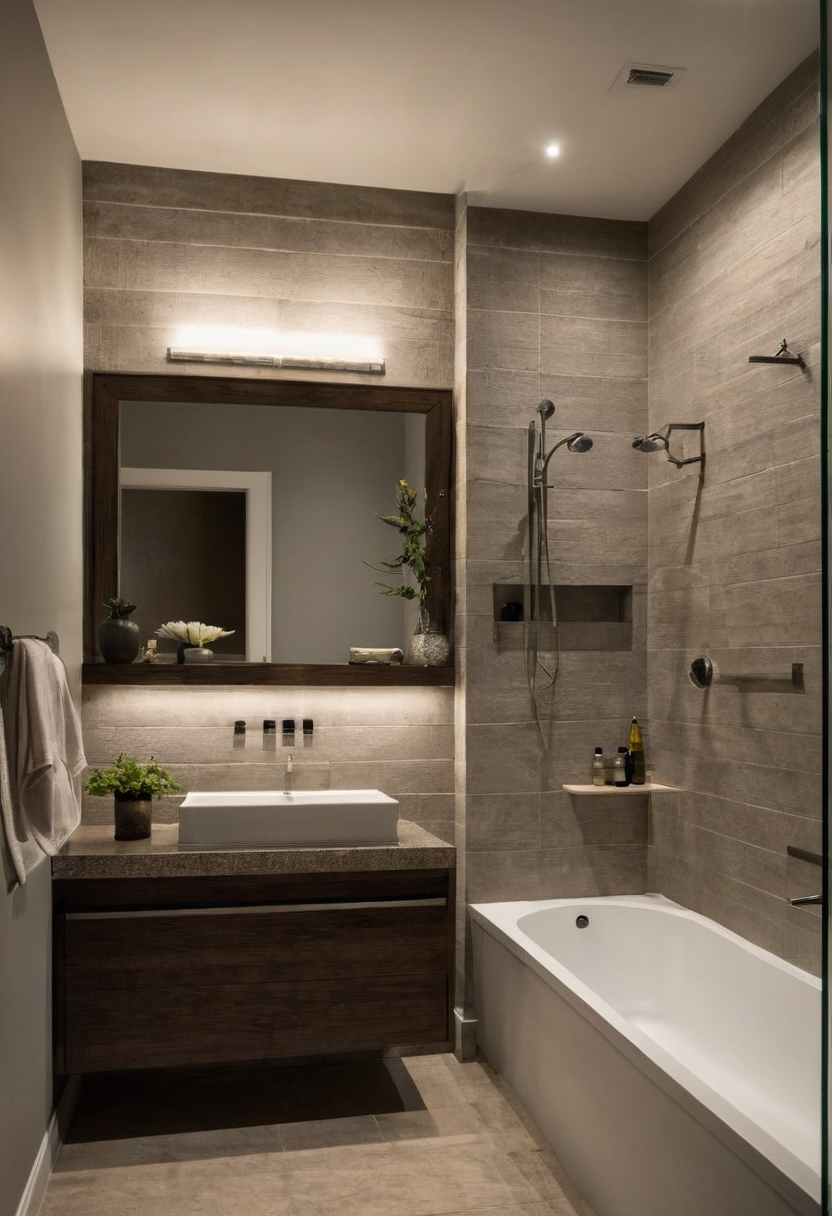
A complete bathroom remodel contractor scope names the room, assemblies, fixtures, trades, exclusions, and owner selections before demolition shown with finish, fixture, and clearance relationships visible.
How should fixtures, finishes, and owner selections appear in the bathroom scope?
A fixture and finish schedule makes bathroom renovation contractors comparable. The schedule should show model numbers, finishes, quantities, sizes, rough-in requirements, supply source, and installer responsibility. Owner-purchased products should state delivery deadlines, inspection on arrival, missing-parts responsibility, warranty limits, and whether the contractor adds handling or markup.
Optional accessibility goals should be labeled as design criteria, not assumed code for every private bathroom. As reference points, the 2010 ADA Standards for Accessible Design include a 30 by 48 inch clear floor space and set accessible work surfaces at 28 to 34 inches, but local residential requirements and the homeowner’s actual mobility plan still control the scope.
Which exclusions should a bathroom remodel contractor disclose in writing?
Written exclusions should name permit fees, design drawings, engineering, hazardous-material testing, subfloor replacement beyond a stated area, joist repair, drain relocation, service panel upgrades, and temporary bathroom or hotel costs. Ask one direct question before signing: who prices concealed-condition work, how fast the price is issued, and who must approve it before work continues. That answer sets up the next risk check: who pulls permits and which inspections must happen before the walls close.
Bathroom remodel contractors should identify permit responsibility and inspection checkpoints before work starts
A bathroom remodel contractor proposal should state who obtains permits, which trades need inspections, and what happens if the inspector requires corrections. In US jurisdictions, bathroom rules vary by city, county, state, building type, and adopted code edition, so homeowners should not accept a permit answer that sounds universal.
Which bathroom remodel tasks commonly trigger permits or inspections?
- Cosmetic work: Painting, replacing a mirror, swapping cabinet hardware, or installing a like-for-like vanity may not require a permit in many jurisdictions, but the local authority having jurisdiction controls the answer.
- Plumbing work: Moving a toilet flange, relocating a shower drain, changing a tub to a shower, replacing a shower valve, or opening walls for supply and waste piping commonly needs plumbing review or inspection.
- Electrical work: Adding or relocating receptacles, modifying lighting, adding heated floors, or changing bathroom circuits should be identified as electrical scope, not buried under “miscellaneous labor.”
- Mechanical and framing work: New exhaust fans, duct routing, exterior terminations, enlarged openings, reframed shower walls, and floor repairs can trigger mechanical or building inspections.
How should contractor licensing, insurance, and subcontractor responsibility be verified?
- Require the proposal to name the permit applicant, license holder, plumbing subcontractor, electrical subcontractor, and tile or waterproofing installer if different companies perform the work.
- Ask for current general liability insurance and workers’ compensation documentation where required, with the insured business name matching the contract name.
- Check the applicable state or local licensing board for license status, discipline, complaint history, bond or registration requirements, and whether plumbing or electrical work must be performed by licensed trades.
What inspection sequence should appear in a bathroom remodel schedule?
Inspection hold points should appear before finish work covers the evidence. A typical bathroom schedule may include framing inspection if framing changes, rough plumbing, rough electrical, mechanical ventilation, shower pan or waterproofing inspection where required, insulation or wallboard review where applicable, and final inspection.
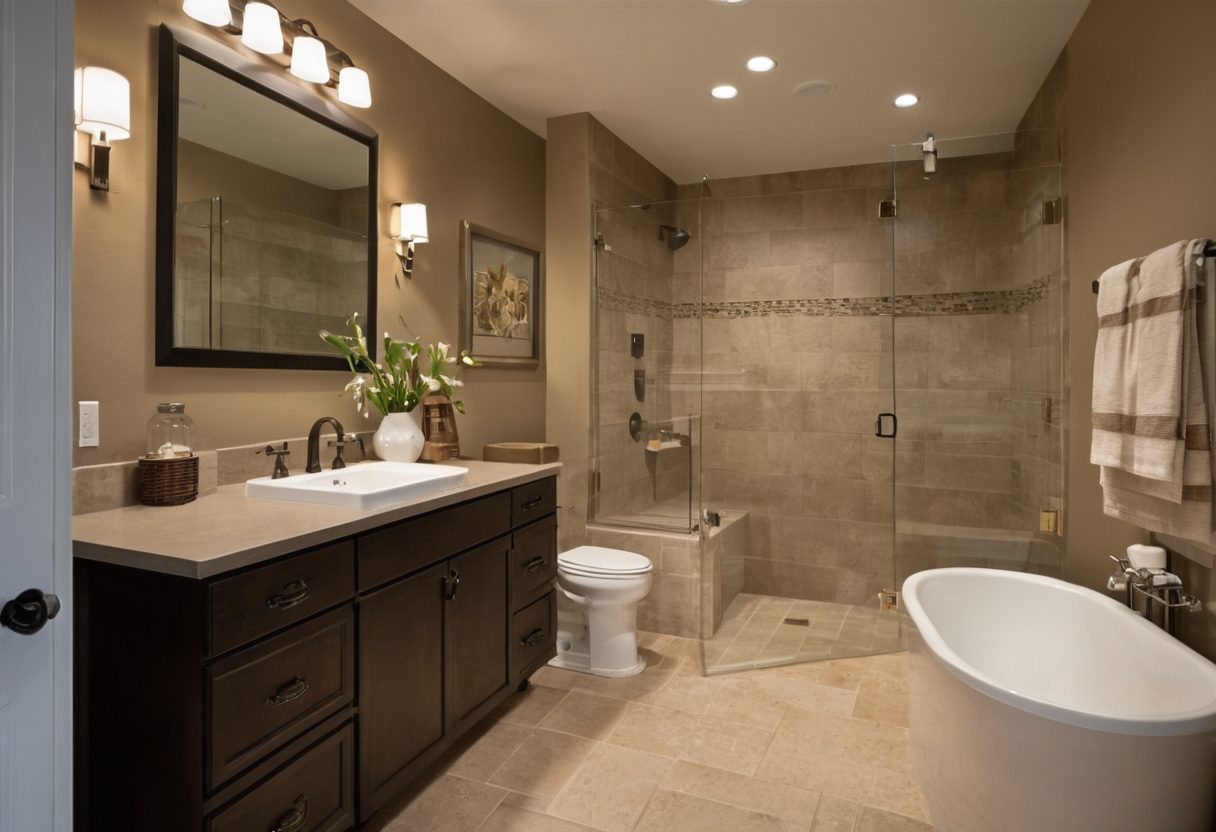
Bathroom remodel contractors should identify permit responsibility and inspection checkpoints before work starts shown with floor, wall, and fixture relationships visible.
Florida provides a useful example of why local permit administration matters, not a national rule: Florida Statutes Section 553.79 allows enforcement agencies to revoke nonconforming permits, requires local agencies to post permit application requirements online, supports electronic permit application submission, and allows a permit-expiration notice to the owner and listed contractor at least 30 days before expiration. The next hidden-risk item is the shower itself, because tile and grout are finishes, not the waterproofing assembly.
Bathroom shower waterproofing proposals should specify the tested assembly, not just tile and grout
A bathroom shower proposal should identify the waterproofing system, substrate, drain connection, curb or barrier detail, slope, niche treatment, and flood-test expectation where required. Tile and grout are finish materials, not waterproofing, so vague shower language prevents a real durability comparison.
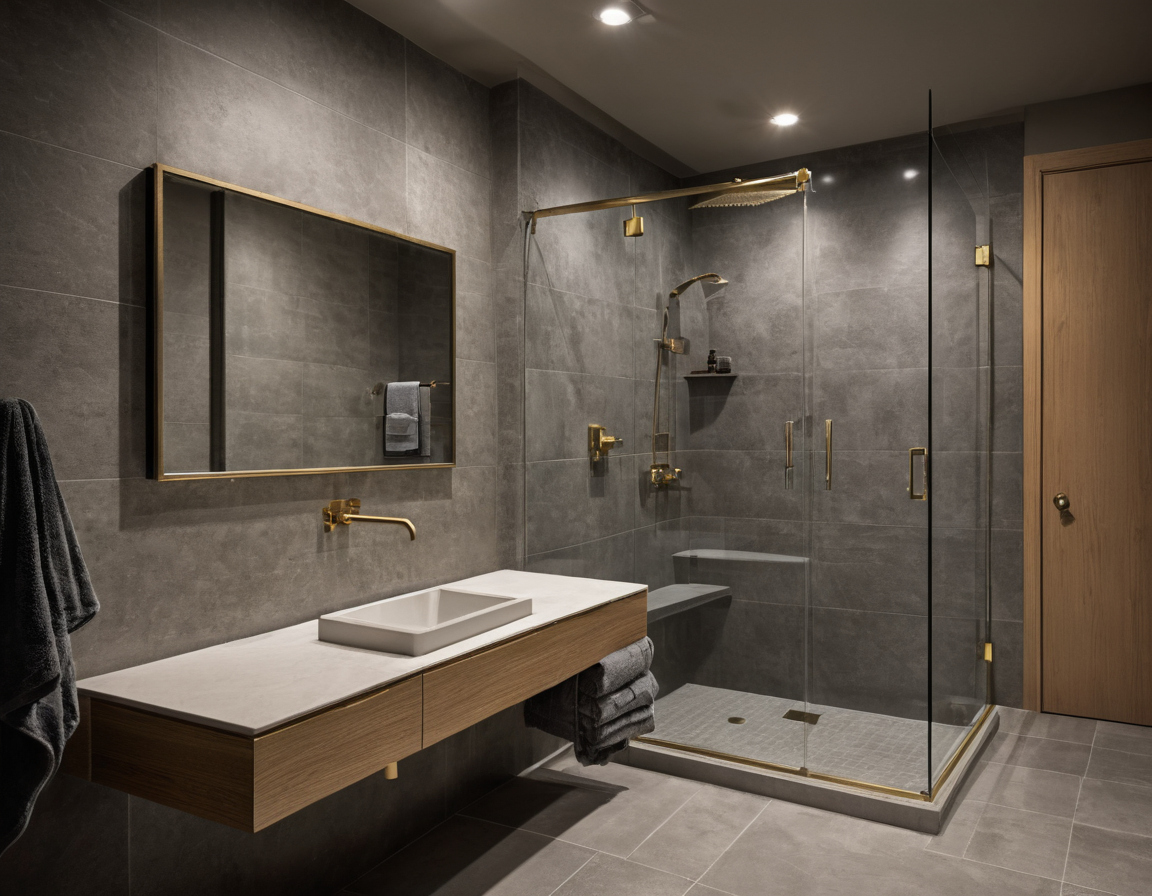
Bathroom shower waterproofing proposals should specify the tested assembly, not just tile and grout shown as a planning reference for layout, scale, and material decisions.
Which waterproofing system should the bathroom contractor name in the written proposal?
- Low risk: The proposal names a recognized shower assembly, such as sheet membrane, liquid-applied membrane, foam board system, traditional pan liner, prefabricated receptor, or another listed method consistent with TCNA Handbook shower assembly guidance.
- Higher risk: The proposal says “waterproof shower,” “cement board and tile,” or “water-resistant board” without naming the membrane, drain, sealant, fasteners, and compatible setting materials.
- Contract point: The contractor should state that manufacturer installation instructions control the selected membrane, backer board, pan, drain, and accessories.
What shower slope, curb, niche, bench, and glass-door details should be written down?
- Shower floor slope should be described as draining to the selected drain without birdbaths or reverse slope.
- Niches, benches, curbs, pony walls, valve penetrations, and shower-glass fasteners should have written waterproofing details before tile starts.
- Curbless showers should identify floor recessing, framing changes, drain type, and transition details because the work is not just a tile choice.
Should the bathroom contractor include a flood test or water test?
The written scope should state whether the local inspector, product instructions, or contractor practice requires a shower pan flood test before tile. The scope should also name who plugs the drain, who documents the test, when inspection occurs, and what correction happens if water drops or leaks appear. Once the waterproofing scope is comparable, the next risk is whether the bid separates real prices from allowances.
Bathroom remodel bids should separate allowances, fixed prices, and unit prices so homeowners can compare real scope
A bathroom remodel bid is not comparable if one contractor lists selected products and another hides them inside broad allowances. US homeowners comparing two or more bids should separate fixed labor, fixed materials, allowances, unit prices, time-and-materials work, contingency, exclusions, and change-order rules before signing.

Bathroom remodel bids should separate allowances, fixed prices, and unit prices so homeowners can compare real scope shown as a planning reference for layout, scale, and material decisions.
How should a homeowner compare bathroom tile, vanity, plumbing, and lighting allowances?
An allowance is a placeholder for an item not finally selected. Ask each bidder to price the same tile material, grout, waterproofing materials, vanity, countertop, plumbing fixtures, shower glass, mirrors, lighting, fan, accessories, paint, and hardware.
| Bid field | Comparable entry |
|---|---|
| Allowance | Product category, quantity, supplier quote, tax, delivery, and install responsibility |
| Fixed price | Labor and named materials included without later repricing |
| Unit price | Pre-agreed price for added work after discovery |
| Change order | Written approval before added cost or schedule change |
Lighting allowances should identify fixture type and rating, not just “LED lights.” ENERGY STAR states that qualified LED lighting uses at least 75 percent less energy and lasts up to 25 times longer than incandescent lighting.
What unit prices should be requested before bathroom demolition?
Unit prices should cover likely concealed conditions: subfloor replacement per square foot, wall framing repair per linear foot, tile pattern upgrades, an added niche, an added recessed light, drain relocation, and added waterproofing area. If demolition reveals permit-triggering alteration or repair, local rules control. Florida, as one representative example, requires a permit for covered construction, alteration, repair, or demolition under Chapter 553.79.
How should owner-purchased bathroom materials be handled in the contract?
Owner-supplied materials need a written policy for delivery, damage, storage, missing parts, compatibility, and warranty split. The contractor should check rough valve and trim match, drain type, tile thickness, vanity plumbing location, lighting rating, and fan duct size before rough-in, which leads directly into code and product-instruction review.
Bathroom ventilation, electrical, and plumbing details should be compared against locally adopted codes and product instructions
Bathroom remodel contractors should document ventilation, electrical, and plumbing changes because these systems affect safety, moisture control, and inspection approval. For US homes, the right answer depends on the local code edition, bathroom layout, fixture locations, circuit capacity, duct route, climate, and whether walls or ceilings are opened.
What electrical items should a bathroom remodel proposal identify?
Electrical scope should name the number and location of receptacles, switches, lights, fan controls, heated floor controls, smart controls, and any panel work. The proposal should state whether locally adopted National Electrical Code rules require GFCI protection, dedicated bathroom circuits, listed wet or damp location fixtures, or a licensed electrician and electrical permit.
What ventilation details should appear in a bathroom remodel scope?
Ventilation scope should not stop at “install fan.” Compare airflow rating, duct diameter, duct material, duct route, exterior termination, backdraft damper, noise rating, control type, and who flashes the roof or wall penetration. Cold attics may need insulated ducting to reduce condensation risk.
What plumbing details should bathroom renovation contractors state before rough-in?
Plumbing scope should identify fixture rough-ins, drain relocation, trap and vent assumptions, shower valve type, shutoff access, toilet flange condition, and manufacturer rough-in requirements. Slab foundations, cast iron drains, galvanized piping, condo risers, and tub-to-shower conversions should trigger written assumptions before payment milestones and change-order pricing become the next point of comparison.
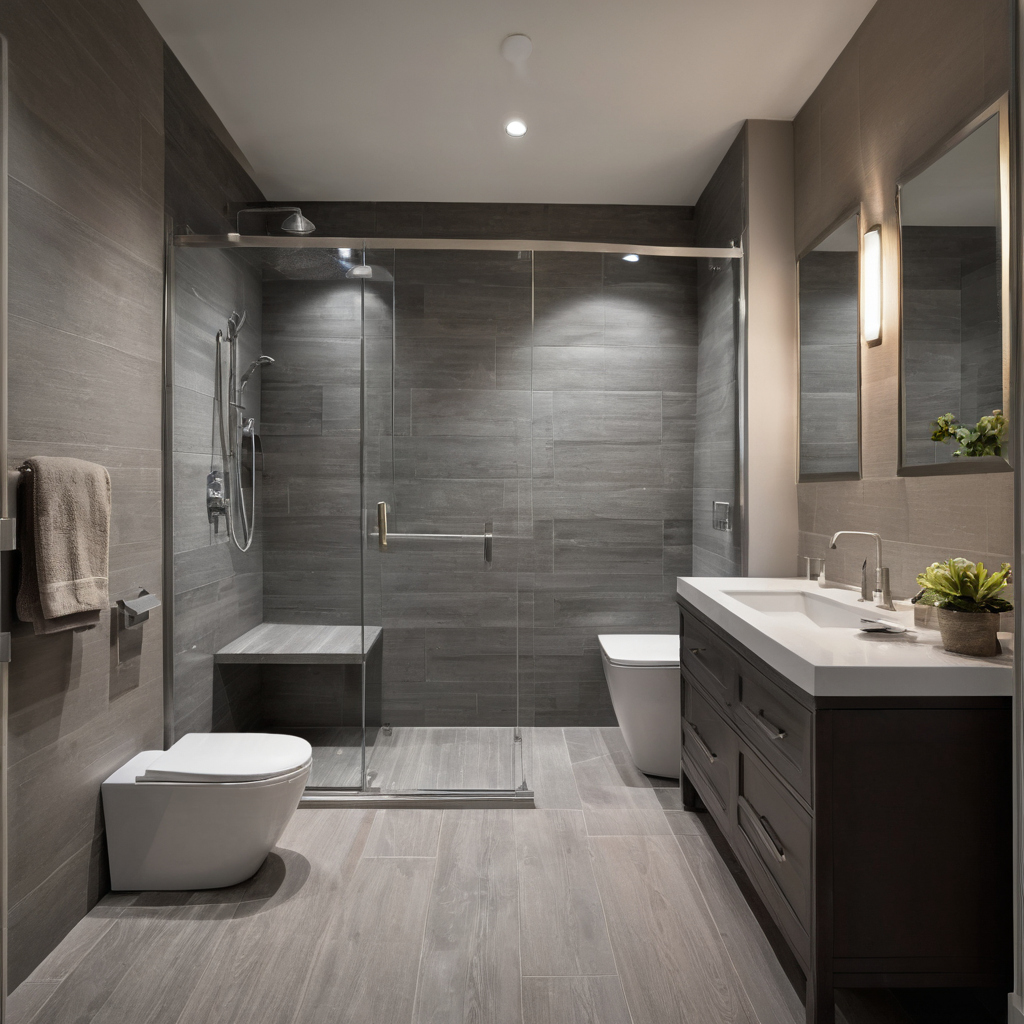
Bathroom ventilation, electrical, and plumbing details should be compared against locally adopted codes and product instructions shown as a planning reference for layout, scale, and material decisions.
A safe bathroom remodel contract ties payments, change orders, schedule, and warranty to completed milestones
A bathroom remodel contract should connect money to verifiable progress, not pressure or vague promises. Before signing, homeowners should compare deposit terms, milestone payments, written change-order rules, schedule assumptions, lien-waiver practices, and warranty coverage under state law and the contractor’s own written terms.
What payment schedule red flags should homeowners watch for before signing?
Payment terms create project control. Red flags include a large upfront payment before materials are ordered, cash-only discounts, payments due before rough inspections or waterproofing checks, no lien waivers from subs or suppliers, and no retainage until final inspection and punch-list completion. State contractor boards and consumer protection offices may set deposit limits or contract rules, so verify local requirements before accepting a payment schedule.
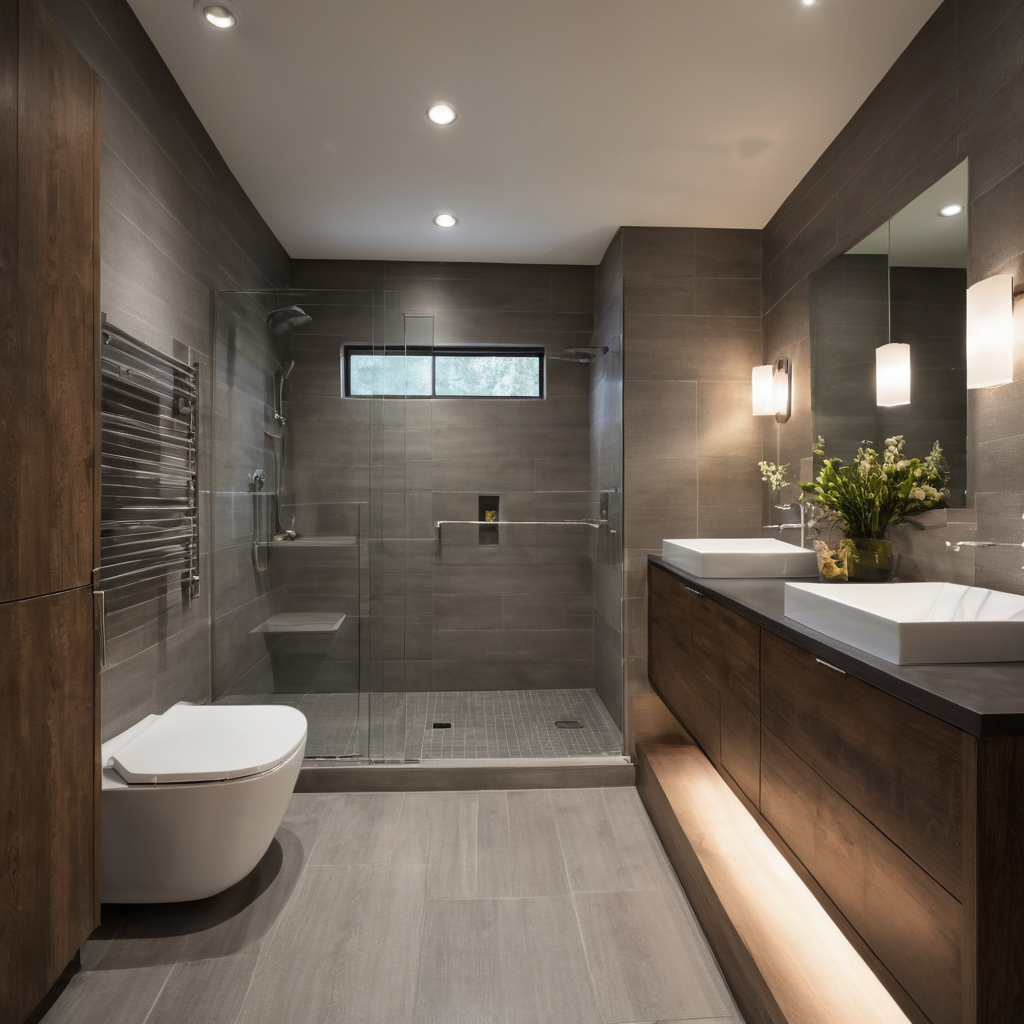
A safe bathroom remodel contract ties payments, change orders, schedule, and warranty to completed milestones shown with finish, fixture, and clearance relationships visible.
How should bathroom change orders be approved and priced?
Change orders should list the description, reason, labor, materials, markup, schedule impact, permit impact, homeowner approval, and revised contract total. Common bathroom triggers include rotten subflooring, out-of-plumb walls, drain relocation, tile layout changes, fixture substitutions, added GFCI or lighting work, and ventilation corrections. No verbal change should become billable work without written approval.
What warranty language matters most in a bathroom remodel scope?
Warranty terms should separate contractor workmanship, manufacturer product coverage, shower waterproofing requirements, and exclusions for misuse or poor maintenance. The U.S. Environmental Protection Agency identifies paints, varnishes, cleaning products, building materials, and furnishings as common VOC sources and recommends increased ventilation during use of VOC-emitting products indoors, which matters during finishing and cure periods EPA VOC guidance. For natural stone, the Natural Stone Institute recommends neutral cleaners, stone soap, or mild dish detergent with warm water and warns that abrasive scouring products can scratch stone Natural Stone Institute care guidance. The practical decision is simple: normalize each contractor’s scope, payment milestones, change-order form, and warranty duties before choosing the lowest number.
FAQ
How do I compare bathroom remodeling bids when each contractor uses different allowances?
Convert each bid into the same format before comparing totals. List the same tile, vanity, countertop, plumbing fixtures, lighting, fan, shower glass, paint, hardware, taxes, delivery, installation responsibility, and markup rules for every contractor.
What red flags should I watch for before hiring a bathroom remodel contractor?
Red flags include vague waterproofing language, no permit responsibility, no inspection hold points, broad exclusions, missing subcontractor names, large early payments, verbal change-order practices, and warranty terms that do not separate workmanship from manufacturer product coverage.
Should a bathroom remodel contractor pull the permit or should the homeowner do it?
The contract should identify the permit applicant and responsible license holder. In many projects, the contractor or licensed trade pulls the permit because that party controls the work and inspection scheduling, but local rules and owner-builder laws vary by jurisdiction.
What is the 30% rule in remodeling, and should it affect my bathroom remodel contingency?
Some homeowners use a 30 percent cushion as a planning habit for uncertain remodeling conditions, but it is not a code rule or universal pricing standard. A better bathroom comparison is to request unit prices and written change-order rules for likely discoveries such as subfloor damage, drain relocation, and wall framing repair.
What is a realistic bathroom remodel budget if I do not know the final tile, vanity, or plumbing selections yet?
A realistic early budget should separate fixed labor, known materials, allowances, unit prices, permit and inspection costs, owner purchases, and contingency. Do not treat a low allowance as savings until the actual products, quantities, delivery costs, and installation requirements are listed in writing.