
Before a kitchen wall comes down, decide whether the opening improves daily movement or creates a larger room with less storage, more noise, harder ventilation, visible floor patches, and new inspections.
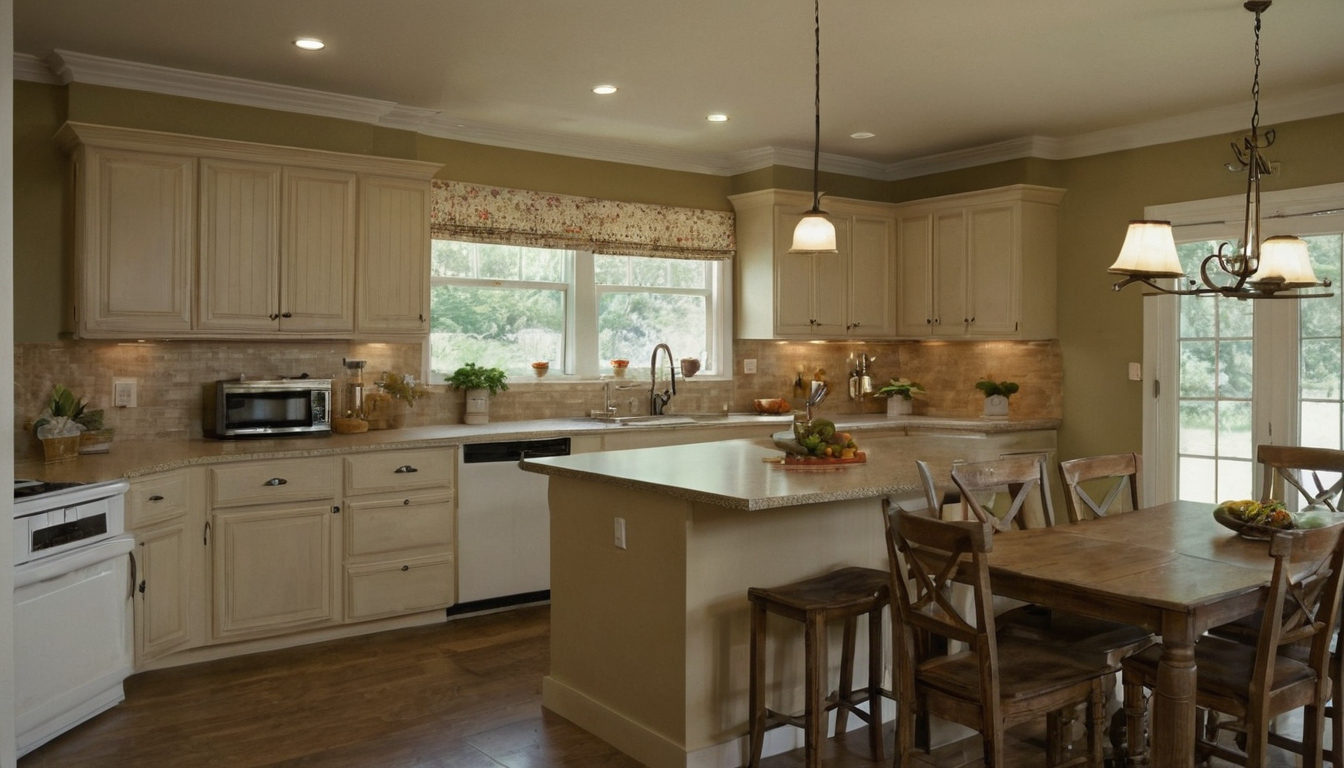
Open Kitchen or Closed Kitchen: Layout Tests Before a Wall Comes Down shown with practical context cues.
Should this kitchen remodel remove a wall, or keep a closed kitchen?
A kitchen remodel should remove a wall only when the opening improves circulation, light, supervision, and dining connection without creating worse storage, structure, utility, ventilation, and finish problems.
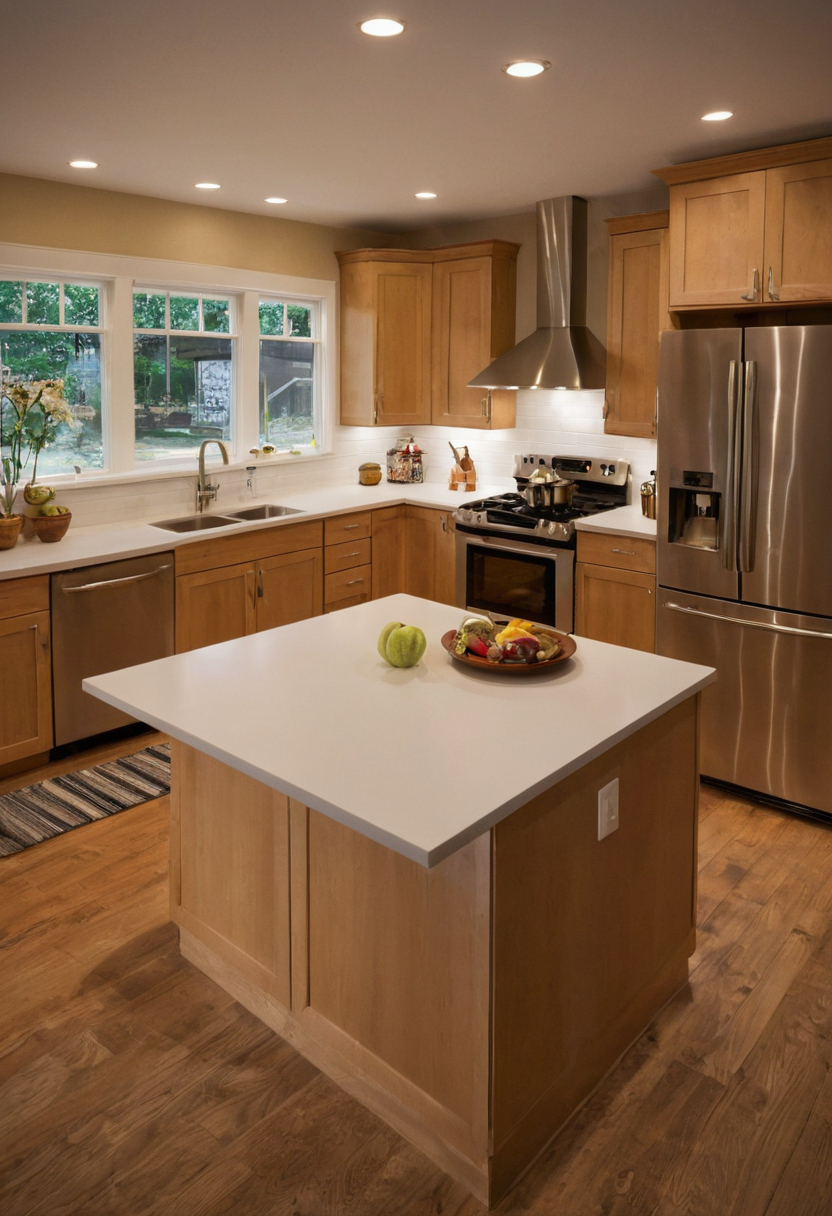
Should this kitchen remodel remove a wall, or keep a closed kitchen shown as an editorial planning reference.
An open kitchen works when the adjacent room improves the kitchen’s daily workflow
An open kitchen earns its space when the adjacent room improves routes between the sink, range, refrigerator, pantry, table, exterior door, and family area. The test is not whether the room looks bigger; it is whether people stop crossing the cooking zone at the wrong time.
The adjacent room also needs enough depth after furniture returns. If wall removal leaves a tight sofa path, shallow dining clearance, or an island that crowds appliance doors, the open kitchen may trade one cramped room for two compromised rooms. For accessible surfaces, the 2010 ADA Standards use 28 to 34 inches above the finish floor.
A closed kitchen works when containment, storage, and quiet matter more than shared sightlines
A closed kitchen can be better for households that fry, sear, bake often, run dishwashers at night, or work near the kitchen. Walls contain noise and odor, and they hold upper cabinets, pantry shelving, appliance garages, charging zones, and cleanup clutter.
Measure storage before the first demolition sketch. Count base cabinets, uppers, pantry wall, broom storage, and appliance landing areas. If the wall carries the only full-height pantry or quiet cleanup zone, the open plan needs replacement storage first.
If the wall borders a sink, exterior wall, old chimney chase, basement stair, or damp corner, inspect for stains, soft drywall, condensation, and musty odor. The EPA advises homeowners to fix wet or damp spots promptly in its mold and moisture guide.
A pre-demolition decision matrix should compare function, structure, MEP work, and finish repairs
| Layout test | Open kitchen | Closed kitchen | Partial-open kitchen |
|---|---|---|---|
| Circulation | Best when paths bypass the cook zone | Best when one doorway works | Good when a wider opening fixes bottlenecks |
| Storage | High risk if pantry or uppers disappear | Lowest storage loss | Moderate loss |
| Structure | Highest risk if the wall carries loads | Lowest structural change | Still needs verification |
| Utilities and finishes | Often moves wiring, ducts, plumbing, floors, and trim | Usually limits rerouting | May preserve some runs |
What wall tests should happen before demolition in a kitchen remodel?
Before demolition, test the wall for load path, plumbing, electrical, HVAC, gas, ventilation, and local permit triggers.
Is the kitchen wall load-bearing, braced, or part of a continuous load path?
- Check joist direction above and below the wall. Joists bearing on the wall, stacked walls, roof loads, beams, posts, or columns can indicate a load path.
- Look for bracing. Some walls resist lateral movement, especially in wind or seismic regions.
- Do not size the beam as a DIY calculation. A licensed structural engineer or qualified design professional should confirm beam, post, footing, connection, and foundation requirements.
Which utilities are inside the kitchen wall that may change the scope?
- Electrical testing should locate receptacles, switches, lighting circuits, appliance circuits, low-voltage wiring, and abandoned wiring.
- Mechanical and plumbing checks should trace ducts, returns, vents, supply lines, drains, gas piping, shutoffs, and range-hood paths.
- Material planning should account for indoor air quality because the EPA identifies paints, varnishes, waxes, cleaning products, building materials, and furnishings as common VOC sources.
Which kitchen wall changes usually trigger permits and inspections?
Local rules control permit requirements. Common triggers include structural openings, altered circuits, plumbing relocation, gas work, kitchen exhaust changes, insulation repair, fireblocking repair, and exterior penetrations. If lighting moves, ENERGY STAR says qualified LED lighting uses at least 75 percent less energy and lasts up to 25 times longer than incandescent lighting.
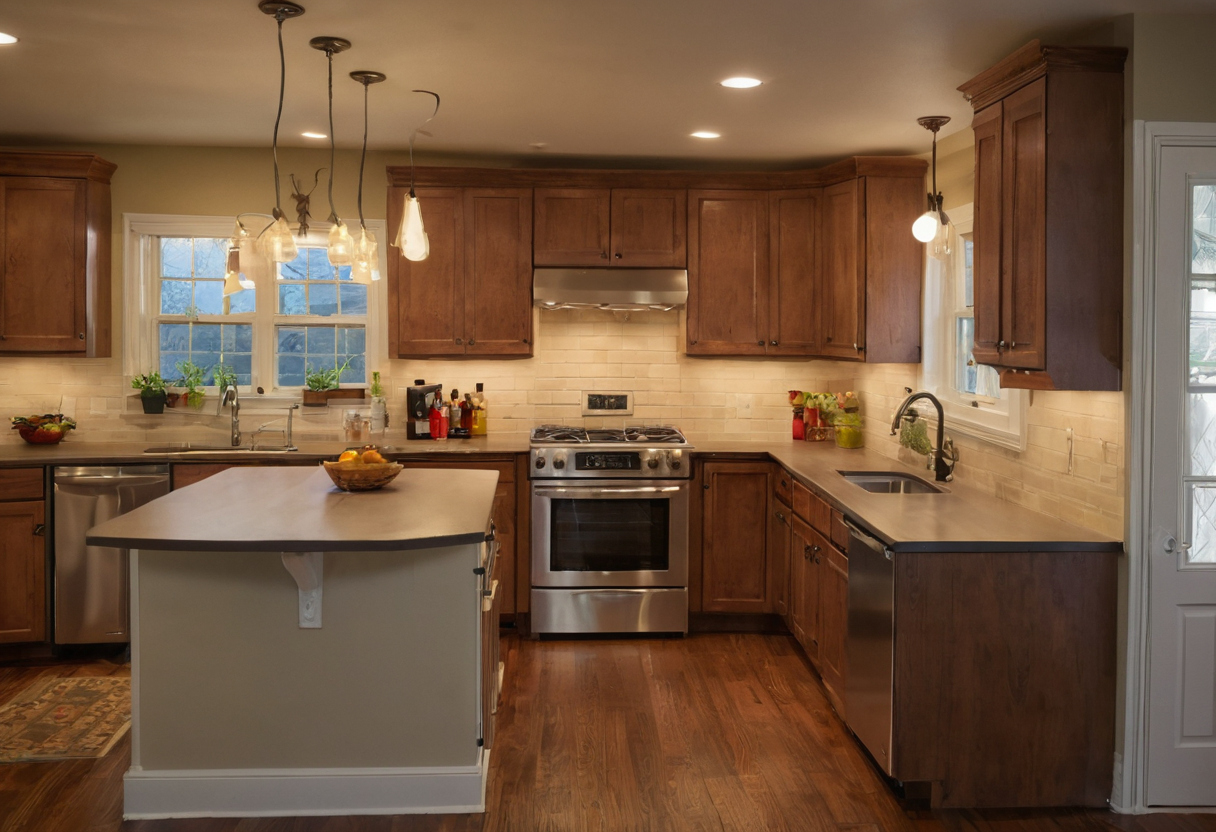
What wall tests should happen before demolition in a kitchen remodel shown with practical context cues.
How do kitchen clearances and appliance zones change after an open layout?
An open kitchen remodel only works if the plan preserves usable aisles, appliance swings, landing areas, seating clearances, and safe cooking zones.
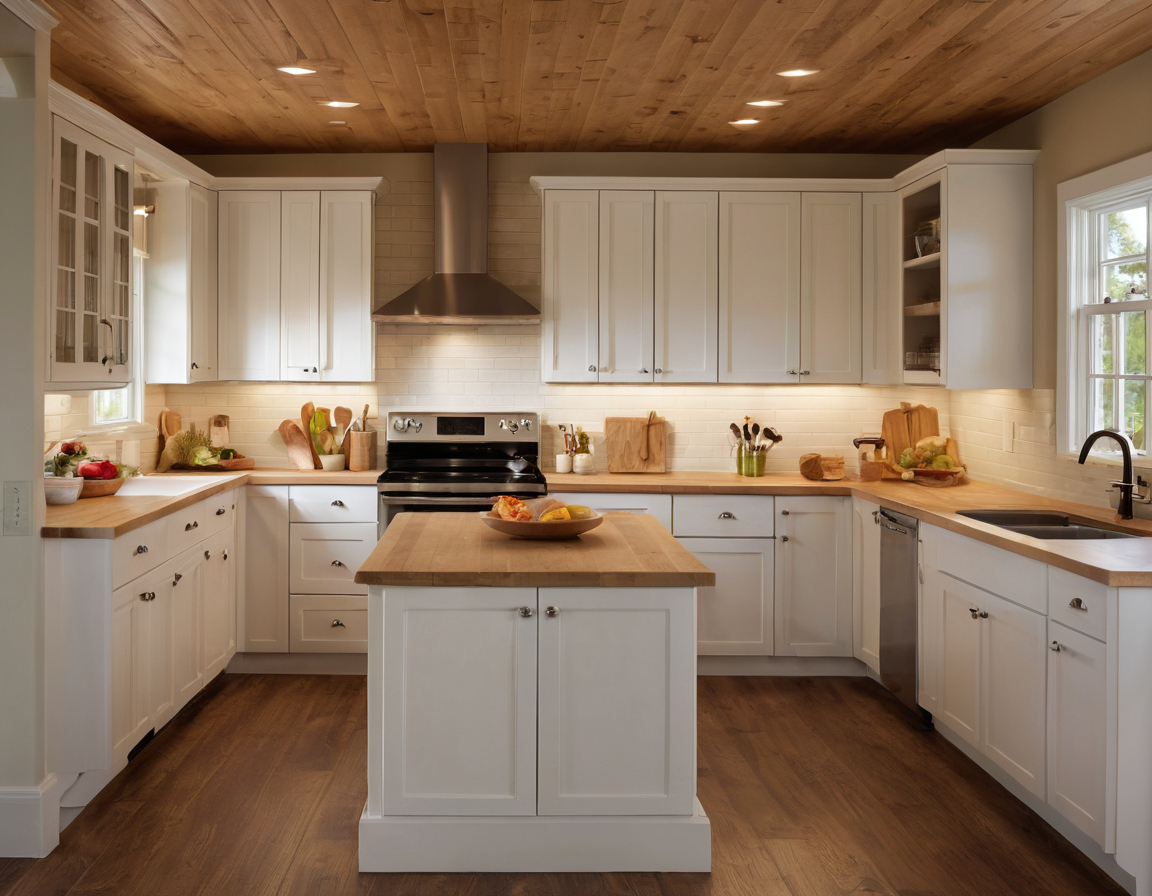
How do kitchen clearances and appliance zones change after an open layout shown with practical context cues.
What aisle width does this kitchen remodel need for one cook or multiple cooks?
Work aisles serve cabinets, counters, appliances, and cooks. Walkways move people past the kitchen. Many designers plan about 42 inches for a one-cook work aisle and about 48 inches where two cooks share the zone, then adjust for appliance doors, mobility needs, and the room.
Will an island improve the open kitchen or block the work triangle?
An island should earn its floor space. Test the sink, range, refrigerator, dishwasher, trash, pantry, and primary prep counter on the plan. If the island sends every refrigerator trip across the cooking zone, the open plan has traded wall clutter for floor congestion.
Electrical planning also changes. InterNACHI’s kitchen receptacle planning summary describes general wall space, small-appliance branch circuits, countertop spacing, and island and peninsula provisions under the referenced 2024 IRC and 2023 NEC language.
Do appliance doors and drawers still open without conflicts?
Appliance specifications should control the final layout. Open the refrigerator door on paper, drop the dishwasher door, pull out deep drawers, swing the wall oven, and check pantry doors against stools and handles.
What will an open kitchen do to storage, noise, smell, and sightlines?
An open kitchen trades enclosure for connection, so the design must replace lost cabinet walls, control odors, limit appliance noise, and manage views of cleanup zones.
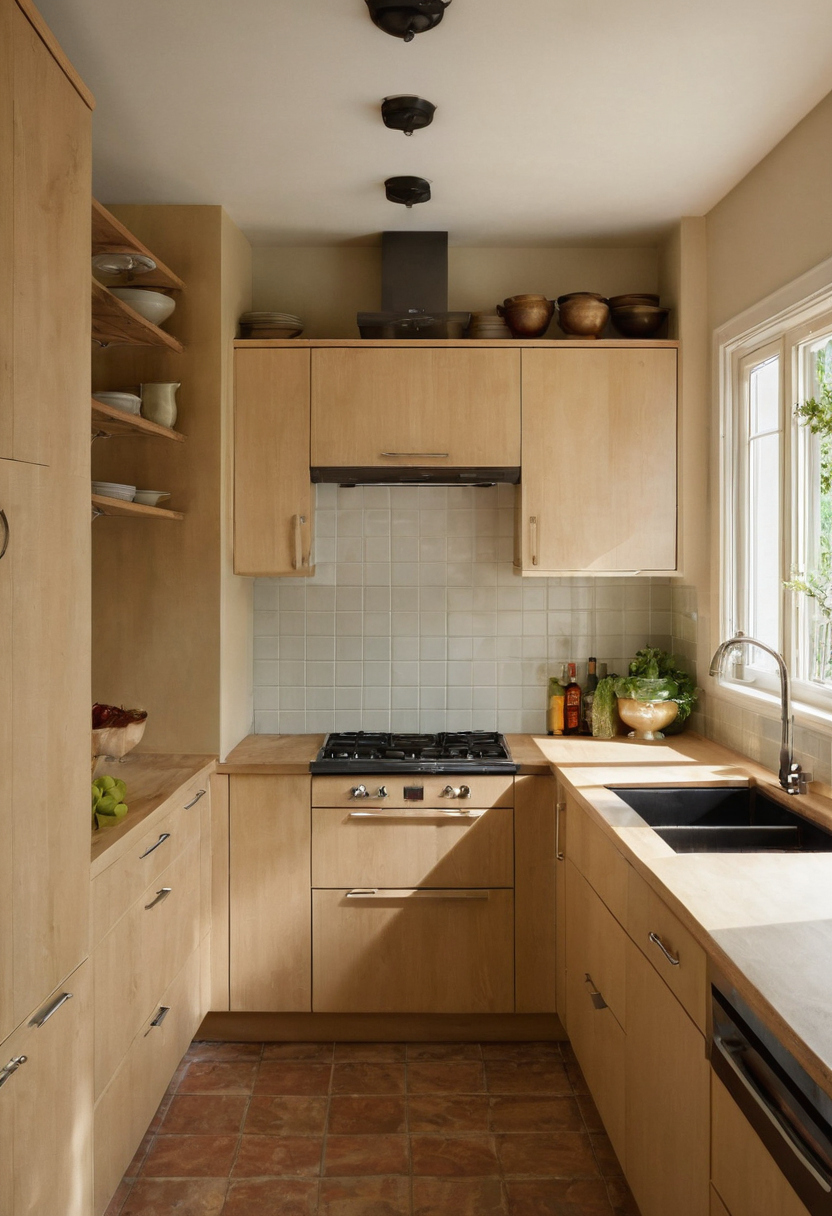
What will an open kitchen do to storage, noise, smell, and sightlines shown as an editorial planning reference.
How much cabinet and pantry storage disappears when the kitchen wall is removed?
Count base cabinets, uppers, tall cabinets, pantry shelving, broom storage, trash, recycling, and countertop appliance parking. Replacement storage needs a drawn location; the plan fails when every solution steals aisle width, blocks a window, or pushes the refrigerator away from prep space.
Can the open kitchen control cooking odors and make-up air requirements?
Odor control gets harder when the kitchen shares air with the sofa, rugs, stairwell, and TV wall. Range type, cooking intensity, hood capture area, duct route, exterior termination, make-up air, and local mechanical code all matter.
Will the open kitchen expose dirty dishes, range clutter, and appliance noise?
Test sightlines from the entry, sofa, dining chair, stair landing, and exterior door. If those views land on the sink, dish rack, trash pullout, range backsplash, or small appliances, the plan may need a taller island panel, shifted sink, scullery wall, or partial partition.
Noise testing should include the dishwasher, hood fan, disposal, ice maker, microwave, and hard surfaces that reflect sound.
What hidden remodeling work follows kitchen wall removal?
Kitchen wall removal often creates follow-on work in floors, ceilings, lighting, circuits, HVAC balancing, trim, paint, fireblocking, insulation, and inspections.
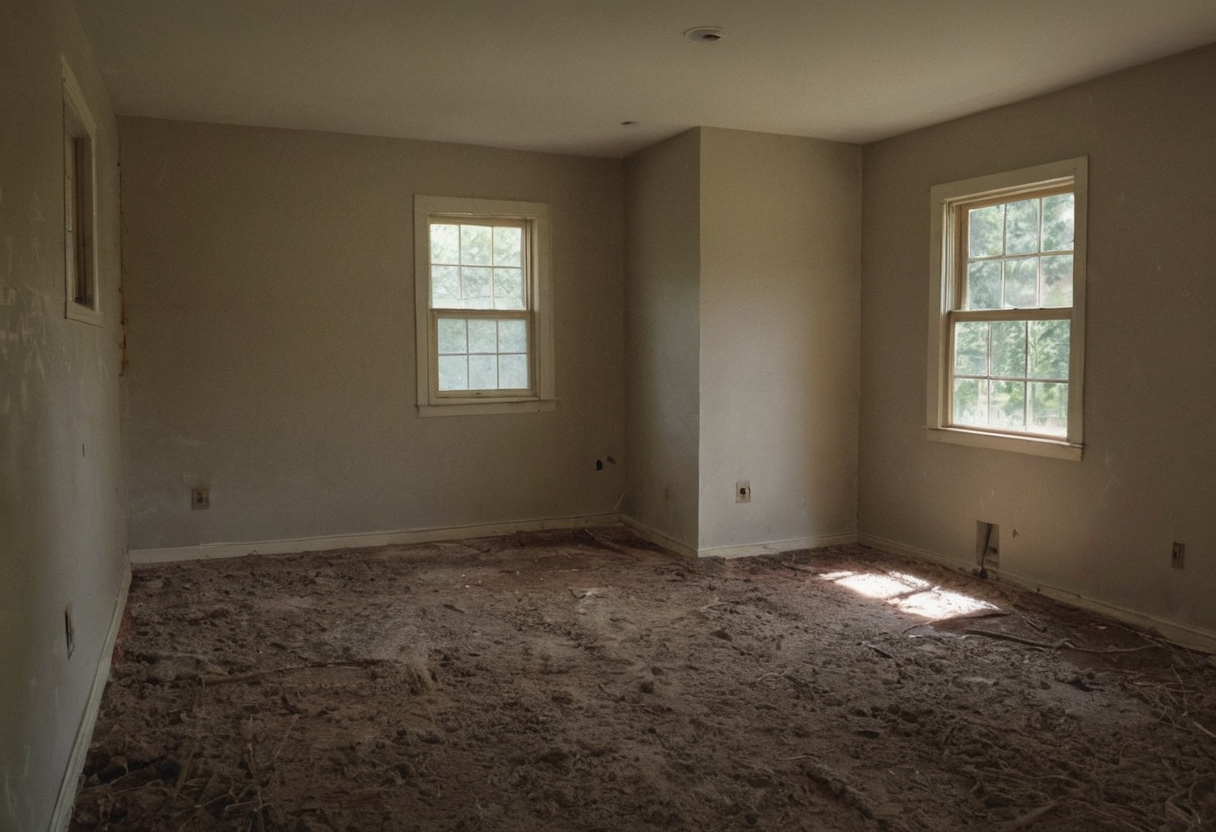
What hidden remodeling work follows kitchen wall removal shown as an editorial planning reference.
Will the kitchen floor patch visibly after the wall is removed?
Floor continuity depends on material, age, installation direction, subfloor, and product availability. Site-finished hardwood may be woven in and refinished. Prefinished wood, engineered wood, tile, vinyl plank, laminate, and sheet goods often need a threshold, border, or wider replacement zone.
Which electrical and lighting changes come with an open kitchen?
Electrical scope usually follows the wall cavity. Switches, receptacles, appliance circuits, recessed lights, pendants, undercabinet lighting, dimmers, GFCI protection, AFCI protection, and small-appliance circuits should be checked against the locally adopted code.
How should the kitchen remodel sequence demolition, engineering, rough-ins, inspections, and finishes?
The safer sequence is documentation, layout design, engineering review, permit check, temporary protection, selective demolition, framing, mechanical, electrical and plumbing rough-ins, inspections, drywall, flooring, cabinets, counters, trim, paint, and final inspection. Readers comparing trade responsibilities can also compare remodel contractors before signing a scope of work.
What partial-open alternatives should be tested before choosing open or closed?
A partial-open kitchen can preserve light and connection while reducing structural scope, storage loss, noise, odor spread, and finish repair.
Would a cased opening or widened doorway solve the kitchen remodel problem?
A cased opening often works when the real problem is a tight doorway, not the whole wall. Test a wider opening that keeps short wall returns, posts, pantry cabinets, or appliance runs.
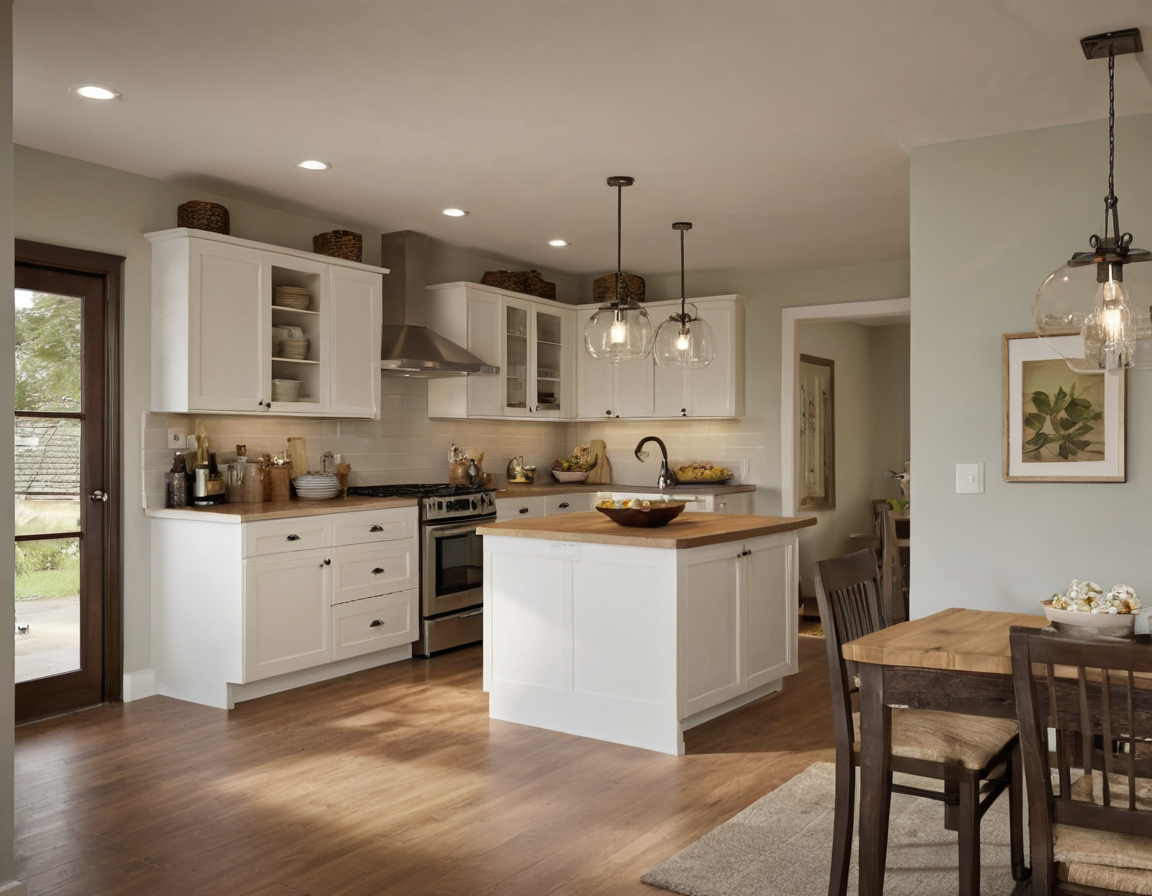
What partial-open alternatives should be tested before choosing open or closed shown with practical context cues.
Would a half wall, pass-through, or glass partition protect storage and sightlines?
A half wall can carry outlets, cabinets, or a shallow counter while screening sink clutter. A pass-through connects serving zones without exposing the whole kitchen. Glass or sliding panels borrow light while limiting sound, splatter, and odors.
How can a homeowner mock up the open kitchen before demolition?
Use painter’s tape, cardboard, temporary plastic, and moved furniture. Mark the opening, island, seating, and walking paths, then test groceries, dishwasher loading, pet movement, TV noise, and guests before demolition.
FAQ
Are open plan kitchens outdated now, or still practical for a kitchen remodel?
Open kitchens are practical when they improve circulation, light, supervision, and dining connection without sacrificing storage, ventilation, and quiet.
Is an open kitchen better than a closed kitchen for a family home?
It depends on routines. Open kitchens help supervision and shared time; closed kitchens can better control noise, odor, homework disruption, and storage.
What is the golden rule of kitchen layout before removing a wall?
Test function before demolition. Mark appliance doors, aisles, seating, storage, traffic paths, ventilation, and sightlines first.
What does the 3×4 kitchen rule mean, and is it a code requirement?
It usually means roughly 3 to 4 feet of clearance around an island or work zone. It is a planning shortcut, not a universal code rule.
Do I need a permit to remove a kitchen wall if I am not moving appliances?
Many jurisdictions require permits when wall removal affects structure, electrical, plumbing, gas, ventilation, fireblocking, or insulation. Check locally before demolition.