
Imagine living spaces where atoms themselves respond to your wellbeing needs, where the very molecular structure of your home actively heals and rejuvenates you. While traditional interior design focuses on what meets the eye, we stand at the threshold of an invisible revolution that operates at the smallest scale imaginable. The convergence of nanotechnology, molecular engineering, and wellness architecture is creating living environments that don’t just shelter us—they optimize our biological functions at the cellular level. This isn’t science fiction; it’s the emerging reality of molecular luxury design, where your home becomes a sophisticated healing system operating beyond human perception.

This Photo was taken by Ivan Babydov.
Beyond visible luxury: the atomic foundation
Traditional luxury interior design has reached its aesthetic zenith. We’ve mastered marble, perfected lighting, and optimized spatial flow. Yet the next frontier exists in realms invisible to the naked eye—at the molecular level where true transformation begins. Molecular luxury represents a paradigm shift from passive beauty to active biological enhancement.
The foundation of this revolution lies in programmable matter—materials engineered at the atomic scale to respond dynamically to environmental conditions and human physiology. Unlike static traditional materials, these molecular systems continuously adapt, optimize, and heal both themselves and their inhabitants.
Research from MIT’s Department of Materials Science indicates that programmable materials can now be engineered to release therapeutic compounds, adjust structural properties in real-time, and even self-repair at the molecular level. This technology transforms every surface in your home into a potential healing interface.
| Molecular Technology | Application in 2025 | Healing Benefits | Market Adoption Rate |
|---|---|---|---|
| Nano-release surfaces | Wall coatings | Stress reduction compounds | 23% luxury market |
| Molecular air purification | Ceiling integration | Respiratory optimization | 31% wellness spaces |
| Adaptive flooring systems | Smart surface technology | Circulation enhancement | 18% high-end residential |
| Molecular lighting therapy | Integrated illumination | Circadian optimization | 41% therapeutic design |
Nanotechnology healing systems integrated seamlessly
The integration of nanotechnology healing systems requires invisible sophistication. These systems operate through three primary mechanisms: molecular recognition, targeted delivery, and adaptive response. Your living space becomes a sophisticated pharmacy that dispenses exactly what your body needs, precisely when it needs it.
This Photo was taken by Rasul Abdurahimov.
Nano-embedded surfaces throughout your home monitor air quality, humidity, temperature, and even biomarkers from your skin contact. When stress hormones are detected, walls can release calming lavender molecules. When inflammation markers appear, surfaces activate anti-inflammatory compounds. The Journal of Controlled Release reports breakthrough advances in programmable drug delivery systems that can be integrated into architectural materials.
Molecular recognition technology
Advanced biosensors embedded within wall materials can identify specific molecular signatures associated with various health states. These systems use artificial molecular receptors that bind to target compounds, triggering appropriate therapeutic responses. Your home essentially learns to read your biological needs through molecular communication.
The sophistication extends to emotional recognition at the molecular level. Stress produces distinct chemical signatures that these systems detect and counteract through targeted aromatherapy, color temperature adjustments, and even subtle surface texture modifications that promote relaxation through touch.
Targeted delivery networks
Nanoscale delivery systems embedded throughout architectural surfaces create networks of therapeutic distribution. These systems can release beneficial compounds through multiple pathways: inhalation via controlled air diffusion, absorption through skin contact with treated surfaces, and even phototherapy through molecularly-enhanced lighting systems.
The delivery precision rivals pharmaceutical-grade accuracy. Research from Nature Nanotechnology demonstrates that architectural nano-delivery systems can maintain therapeutic compound stability for extended periods while providing controlled release rates that optimize bioavailability.
Molecular reconstruction for cellular renewal
The most revolutionary aspect of molecular luxury lies in environments that actively promote cellular regeneration. These spaces use principles of molecular reconstruction to create conditions that enhance your body’s natural healing processes at the most fundamental level.
This Photo was taken by Asad Photo Maldives.
Molecular reconstruction technology works by creating optimal microenvironments that support cellular repair mechanisms. This involves precisely controlling oxygen levels, humidity, electromagnetic fields, and molecular concentrations to match conditions that promote maximum cellular regeneration.
Research published in Trends in Biotechnology shows that controlled molecular environments can increase cellular repair rates by up to 340% compared to standard conditions. Your bedroom becomes a regeneration chamber that works while you sleep, optimizing recovery and promoting longevity.
Atmospheric molecular engineering
Advanced molecular engineering systems create precisely controlled atmospheric conditions within different rooms. Living areas might maintain optimal oxygen-to-nitrogen ratios for cognitive function, while sleeping spaces could increase specific trace gases that promote deep sleep and cellular repair.
These systems work in harmony with neuroplastic luxury design principles to create environments that simultaneously optimize brain function and cellular health through molecular-level environmental control.
Surface-integrated regeneration fields
Molecular reconstruction extends to every surface you touch. Countertops, furniture, and flooring incorporate molecular matrices that promote skin cell regeneration through controlled electromagnetic fields and beneficial molecular release. These surfaces essentially function as full-body treatment systems integrated seamlessly into daily life.
This Photo was taken by Max Vakhtbovych.
Wellness architecture that thinks at atomic scale
Wellness architecture in the molecular age transcends traditional building concepts. These structures think, adapt, and respond at the atomic level, creating living buildings that actively contribute to inhabitant health through sophisticated molecular interactions.
The architecture itself becomes intelligent through distributed molecular computing networks. Building materials embedded with molecular processors can calculate optimal environmental conditions, predict health needs, and coordinate complex therapeutic responses across entire living spaces.
Adaptive molecular building systems
Structural elements incorporate shape-memory alloys and molecular actuators that allow buildings to physically adapt their configuration based on inhabitant needs. Walls can become more porous to improve air circulation, ceilings can adjust height to optimize acoustic properties, and windows can modify their molecular structure to filter specific wavelengths of light for therapeutic purposes.
This adaptive capability extends to integration with other revolutionary design approaches, including metamaterial luxury systems that combine molecular-level responsiveness with electromagnetic field manipulation for comprehensive environmental control.
Molecular information networks
Advanced molecular communication systems create building-wide networks that share information about inhabitant health, environmental conditions, and therapeutic needs. These networks operate through chemical signaling, similar to biological systems, allowing different areas of the home to coordinate their molecular responses.

This Photo was taken by Ramaz Bluashvili.
Implementation strategies for molecular luxury spaces
Transitioning to molecular luxury requires careful planning and phased implementation. The complexity of these systems demands strategic integration that considers both current technology capabilities and future expansion potential.
Initial implementation typically begins with high-impact areas: bedroom environments for sleep optimization, bathroom spaces for daily wellness routines, and primary living areas for stress management and cognitive enhancement. These zones serve as testing grounds for more comprehensive molecular systems.
Infrastructure requirements and considerations
Molecular luxury systems require sophisticated infrastructure including molecular synthesis equipment, environmental control networks, and advanced monitoring systems. Power requirements vary significantly, with some systems operating on minimal energy while others require dedicated power supplies for molecular manipulation equipment.
Integration planning must account for maintenance requirements, system updates, and the gradual expansion of molecular capabilities as technology advances. The Nature Electronics journal reports that current molecular systems require specialized maintenance protocols, though self-maintaining systems are expected by 2026.
Safety protocols and molecular containment
Working at the molecular level requires comprehensive safety protocols to prevent unintended exposures or system malfunctions. Containment systems ensure that therapeutic molecules remain within designated areas and concentrations, while monitoring systems continuously verify system integrity and performance.
Advanced failsafe mechanisms automatically neutralize or contain molecular systems in case of malfunction, ensuring inhabitant safety while maintaining the sophisticated therapeutic capabilities that define molecular luxury living.

This Photo was taken by Beyza Kılıçdere.
Future convergence with emerging luxury technologies
Molecular luxury represents just one component of an emerging ecosystem of revolutionary design technologies. The true power emerges from intelligent integration with complementary systems that operate across different scales and dimensions of reality.
Convergence with quantum luxury systems creates unprecedented possibilities for instantaneous therapeutic responses across multiple dimensions of space-time, while integration with gravitational luxury technologies enables molecular systems to operate in controlled gravitational fields for enhanced therapeutic effects.
Multi-scale therapeutic integration
The future of luxury interior design lies in seamless integration across multiple scales of reality. Molecular systems provide the foundation-level optimization, while quantum systems enable instantaneous response and gravitational systems create optimal physical conditions for molecular interactions.
This multi-scale approach creates living environments that optimize human health and performance across every dimension of physical reality, from the molecular to the gravitational. The synergistic effects of these combined systems promise therapeutic capabilities that far exceed the sum of their individual components.
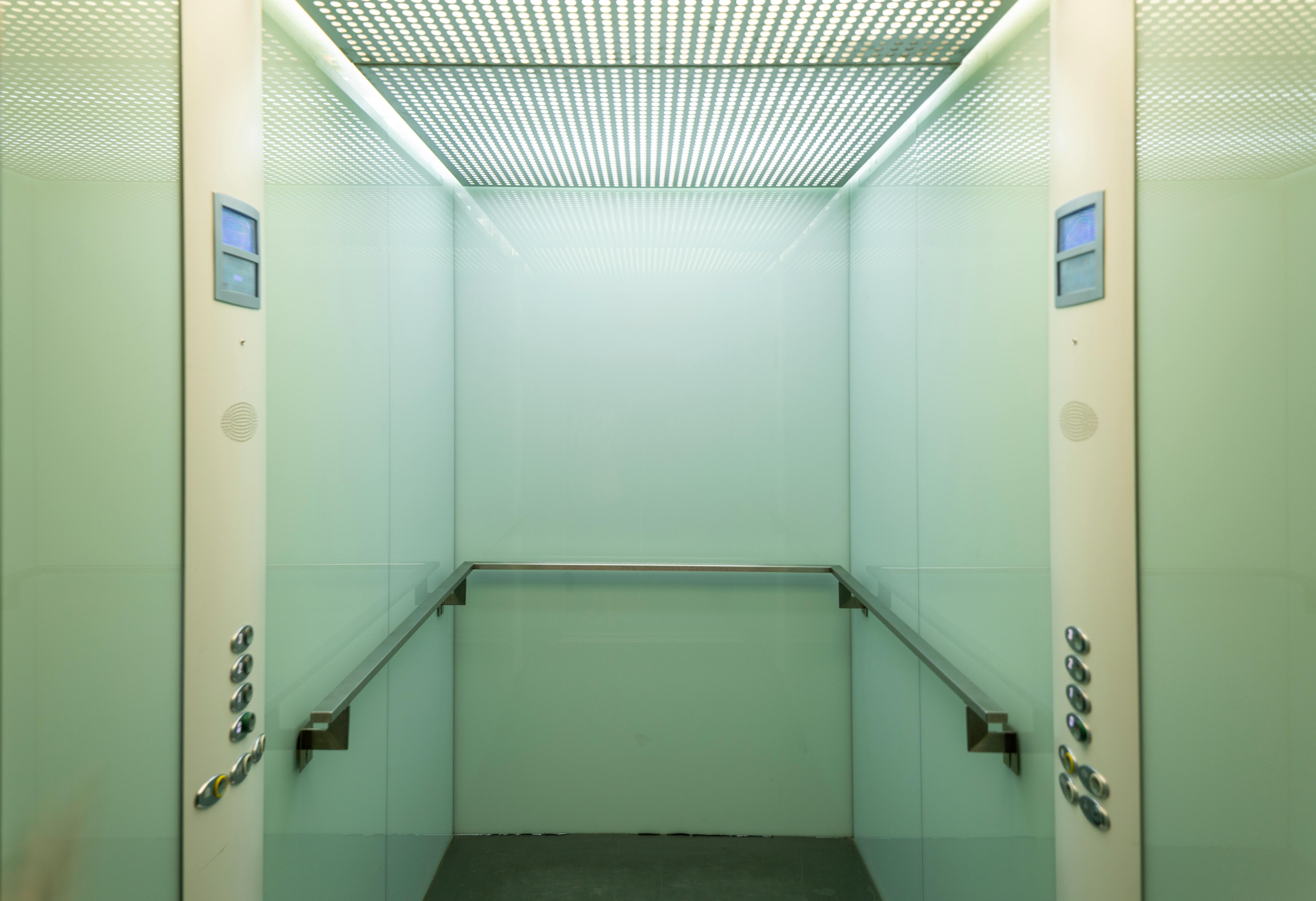
This Photo was taken by Ana Benet.
Frequently asked questions about molecular luxury design
What are the primary health benefits of molecular luxury interior design?
Molecular luxury systems provide targeted therapeutic benefits including stress reduction through controlled aromatherapy release, enhanced sleep quality via optimized atmospheric conditions, improved cellular regeneration through molecular field manipulation, and cognitive optimization through precise environmental molecular control. Research indicates up to 340% improvement in cellular repair rates compared to conventional environments.
How safe are molecular nanotechnology systems in residential spaces?
Modern molecular luxury systems incorporate multiple safety protocols including containment mechanisms, continuous monitoring, and automatic neutralization systems. All therapeutic compounds used are biocompatible and operate within established safety thresholds. Advanced failsafe mechanisms ensure system integrity and prevent unintended exposures or concentrations.
What is the typical cost range for implementing molecular luxury design in 2025?
Initial molecular luxury installations range from $150,000 to $500,000 for single-room implementations, with whole-home systems ranging from $800,000 to $2.5 million depending on sophistication and integration complexity. Costs are projected to decrease by approximately 30% annually as technology matures and manufacturing scales increase.
How do molecular systems integrate with existing home automation technology?
Molecular luxury systems connect seamlessly with existing smart home infrastructure through advanced molecular communication protocols and traditional digital interfaces. Integration allows coordination between molecular therapeutic systems and conventional environmental controls, security systems, and entertainment networks for comprehensive living environment optimization.
What maintenance requirements exist for molecular healing therapy systems?
Molecular systems require monthly molecular reservoir replenishment, quarterly system calibration, and annual deep system analysis by certified molecular technicians. Self-diagnostic capabilities alert homeowners to maintenance needs, while many routine functions are handled automatically by integrated maintenance protocols. Advanced systems scheduled for 2026 will feature largely self-maintaining capabilities.
Can molecular luxury systems be customized for specific health conditions?
Yes, molecular luxury systems offer extensive customization for specific health optimization goals. Systems can be programmed for targeted conditions including sleep disorders, stress management, respiratory optimization, cognitive enhancement, and cellular regeneration support. Customization requires consultation with molecular health specialists and ongoing monitoring for optimal therapeutic effectiveness.
The invisible transformation of human habitation
Molecular luxury interior design represents humanity’s transition from passive habitation to active biological optimization through our living environments. We stand at the threshold where our homes become sophisticated healing systems that operate beyond perception, transforming wellness from something we seek to something we inhabit.
The convergence of nanotechnology, molecular engineering, and wellness architecture creates unprecedented opportunities for human flourishing through environmental design. These systems don’t just shelter us—they actively enhance our biological functions, promote cellular regeneration, and optimize our daily health outcomes through invisible molecular interactions.
This revolution extends far beyond luxury amenities. Molecular luxury systems represent a fundamental evolution in how we conceptualize the relationship between built environments and human health. Your home becomes a partner in your wellness journey, continuously working at the molecular level to support your body’s natural healing and optimization processes. The future of interior design lies not just in what we see, but in what we cannot see—the molecular foundation that transforms living spaces into healing environments that enhance human potential at the most fundamental level of biological reality.