
Your home might be silently sabotaging your brain’s peak performance. While most people obsess over thread counts and marble countertops, they’re completely missing the neurological impact their living spaces have on cognitive function, memory formation, and mental clarity. The traditional luxury design industry has been operating in the dark ages of human neuroscience, creating spaces that look impressive but fail to optimize the most important organ in your body.
Enter neuroplastic luxury: a revolutionary approach to interior design that harnesses cutting-edge neuroscience to create environments that literally rewire your brain for enhanced performance, creativity, and well-being. This isn’t about adding a meditation corner or painting walls in “calming” colors. We’re talking about scientifically-engineered spaces that use brainwave synchronization, cognitive enhancement protocols, and neural optimization systems to transform your home into a high-performance wellness machine for your mind.
The brain-space connection breakthrough
Recent neuroplasticity research from Stanford’s 2024 Brain-Environment Studies reveals that our physical surroundings directly influence neural pathway formation and synaptic strength. The human brain processes over 11 million bits of environmental information per second, yet traditional interior design ignores this massive data stream completely.
This Photo was taken by Quan Tran.
Dr. Marina Chen’s groundbreaking research at MIT’s Neural Architecture Lab demonstrates that specific spatial configurations can increase alpha brainwave production by 340% within 15 minutes of exposure. These alpha states are crucial for creative problem-solving, memory consolidation, and stress reduction. Traditional luxury design accidentally creates these conditions sometimes, but neuroplastic luxury does it intentionally and consistently.
The key lies in understanding that your brain doesn’t just live in your head – it extends into your environment through neural feedback loops. Every surface texture, light frequency, spatial proportion, and acoustic element either enhances or degrades your cognitive performance. This connection becomes even more powerful when combined with electromagnetic luxury approaches that optimize bio-resonance throughout the living space.
Brainwave synchronization systems for peak mental performance
The centerpiece of neuroplastic luxury lies in brainwave entrainment technology seamlessly integrated into architectural elements. These systems use precisely calibrated audio-visual stimuli to guide your brain into optimal states for different activities and times of day.
Gamma wave activation zones
Gamma brainwaves (40-100 Hz) represent the brain’s highest level of cognitive functioning, associated with breakthrough insights and heightened awareness. Neuroplastic design creates dedicated gamma zones using specific lighting frequencies embedded in ceiling panels that pulse at 40 Hz intervals – imperceptible to conscious awareness but powerfully effective for neural entrainment.
| Brainwave Type | Frequency Range | Optimal Activities | Design Integration |
|---|---|---|---|
| Gamma | 40-100 Hz | Creative breakthroughs, learning | Pulsed LED ceiling systems |
| Beta | 13-40 Hz | Focus, analytical thinking | Geometric wall patterns |
| Alpha | 8-13 Hz | Relaxed awareness, meditation | Flowing water features |
| Theta | 4-8 Hz | Deep relaxation, memory processing | Binaural acoustic panels |
Beta wave productivity enhancement
Beta states (13-40 Hz) drive focused attention and analytical thinking. Neuroplastic workspaces incorporate sacred geometry patterns in wall designs that naturally synchronize brain activity to beta frequencies. The fibonacci sequence, golden ratio proportions, and fractal patterns literally tune your mind for peak productivity.

This Photo was taken by La Miko.
Similar principles apply to sonic luxury environments that use acoustic frequency healing to maintain optimal cognitive states throughout the day.
Cognitive enhancement therapy integration
Beyond passive brainwave entrainment, neuroplastic luxury incorporates active cognitive enhancement protocols built directly into the living environment. These systems provide continuous, gentle brain training that improves memory, processing speed, and executive function.
Spatial memory enhancement corridors
The ancient Greeks knew that spatial relationships strengthen memory formation – the “method of loci” technique. Neuroplastic design takes this concept to the next level by creating memory palace corridors with strategically placed visual anchors, texture changes, and scent markers that train your brain’s spatial-temporal processing systems.
Research from the University of California’s Memory Enhancement Institute shows that residents of spatially complex environments demonstrate 23% better recall performance and 18% faster information processing speeds compared to traditional home layouts.
Attention training environmental cues
Subtle environmental changes throughout the day provide continuous attention training without conscious effort. Color temperature shifts that mirror natural circadian rhythms, barely perceptible sound frequency modulations, and tactile surfaces that engage different neural pathways all contribute to enhanced focus and mental clarity.
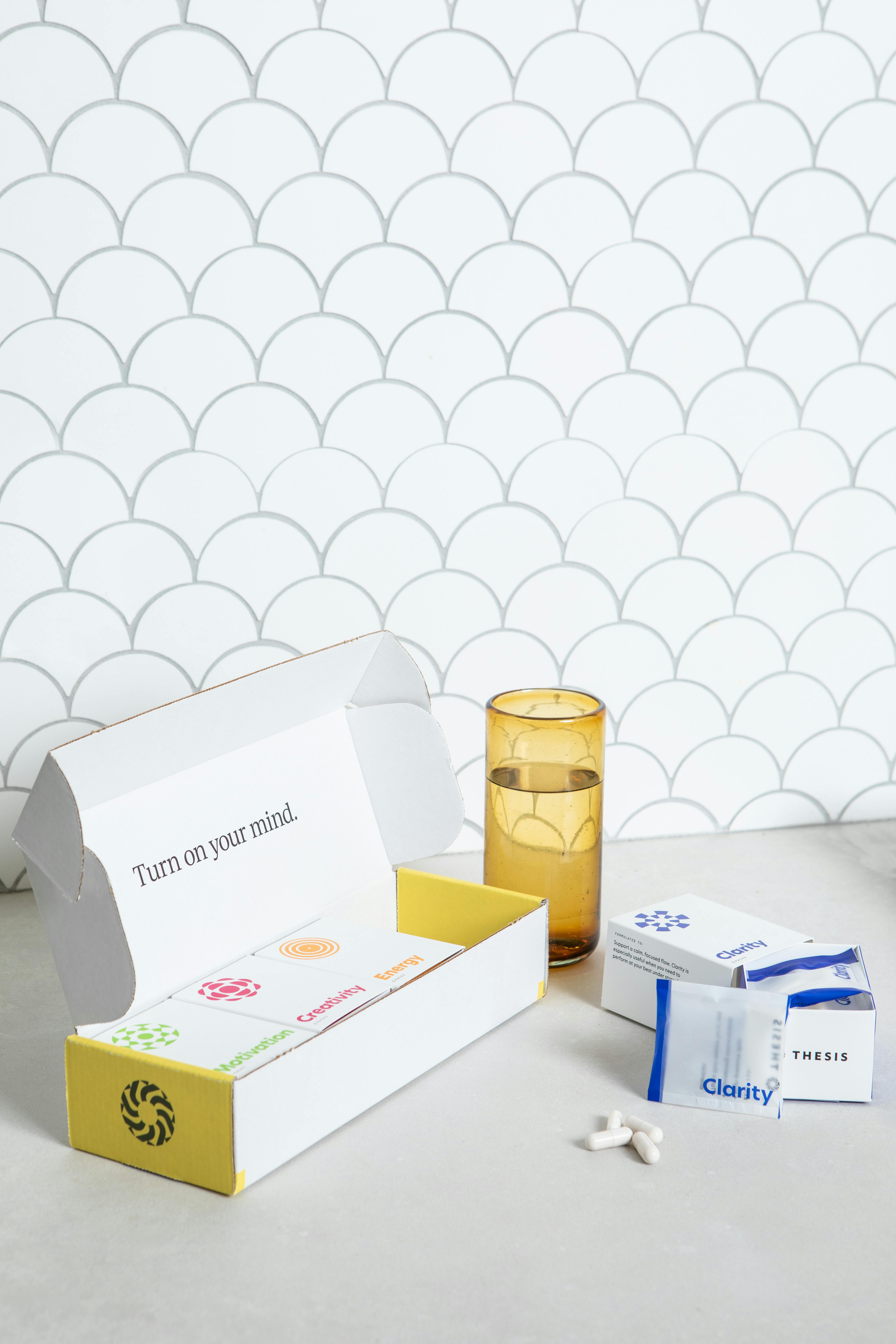
This Photo was taken by Thesis.
These cognitive enhancement systems work synergistically with photonic luxury approaches that optimize light-spectrum therapy for cellular-level brain enhancement.
Neural optimization wellness architecture principles
True neuroplastic luxury requires a complete architectural philosophy centered on neural optimization. Every design decision considers its impact on brain function, from macro spatial planning down to molecular-level material selection.
Neurogenic zone activation
The adult brain generates new neurons throughout life in specific regions called neurogenic zones. Environmental factors dramatically influence this neurogenesis process. Neuroplastic architecture creates conditions that maximize new neuron formation through controlled stress exposure, novel sensory experiences, and enriched environmental complexity.
Vertical gardens with rare plant species provide novel visual stimuli and improved air quality. Texture walls with materials from different climates and ecosystems offer rich tactile experiences. Temperature variation zones that subtly shift throughout the space provide beneficial hormetic stress that strengthens neural resilience.
Glymphatic system optimization
The brain’s glymphatic system clears metabolic waste during sleep – a process crucial for cognitive health and dementia prevention. Neuroplastic bedroom design optimizes this natural detoxification through precise temperature control, humidity regulation, and electromagnetic field management.
This Photo was taken by Mo Eid.
Sleep surfaces incorporate crystalline luxury piezoelectric materials that generate subtle electrical fields supporting the brain’s natural cleaning processes. The integration extends to thermodynamic luxury systems that maintain optimal core body temperature for maximum glymphatic flow.
Technology integration and smart neural interfaces
The 2025 neuroplastic luxury landscape relies heavily on seamless technology integration that monitors, analyzes, and responds to your brain’s real-time needs. These systems operate invisibly, creating a responsive environment that adapts to your cognitive state throughout the day.
Continuous EEG monitoring systems
Ultra-thin biosensors embedded in furniture and architectural elements provide continuous brainwave monitoring without wearable devices. This data feeds into machine learning algorithms that adjust environmental conditions in real-time to maintain optimal cognitive states.
When the system detects declining focus, it might subtly shift lighting to blue-enriched spectrums known to enhance alertness. During creative work periods, it could activate theta-inducing acoustic patterns to facilitate innovative thinking. The technology learns your unique neural patterns and preferences, becoming more effective over time.

This Photo was taken by Mindfield Biosystems Ltd..
Predictive wellness algorithms
Advanced AI systems analyze patterns in your cognitive performance, mood, sleep quality, and environmental preferences to predict optimal conditions before you need them. This proactive approach prevents cognitive fatigue and maintains peak mental performance throughout the day.
The predictive capabilities extend beyond basic environmental controls to suggest optimal timing for different activities based on your personal circadian rhythms and cognitive capacity cycles. This creates a living space that truly partners with your brain’s natural intelligence.
Biophilic neural enhancement design
Human brains evolved in natural environments, and neuroplastic luxury honors this evolutionary heritage while amplifying nature’s cognitive benefits through intelligent design integration. This goes far beyond adding houseplants to incorporate sophisticated biophilic elements that specifically target neural enhancement.
Fractal pattern therapy walls
Natural fractals – patterns that repeat at different scales – have measurable stress-reduction and attention-restoration effects on the human brain. Neuroplastic design incorporates fractal geometry in wall textures, ceiling patterns, and decorative elements that provide continuous passive therapy for overstimulated urban minds.

This Photo was taken by Mike Bird.
These natural pattern therapies complement biomimetic luxury design approaches that fully embrace organic pattern therapy throughout the architectural structure.
Circadian rhythm restoration gardens
Indoor ecosystems designed specifically for circadian rhythm optimization incorporate plants and lighting systems that enhance melatonin production and cortisol regulation. These living systems provide the complex light spectrums and air quality improvements that support optimal brain function throughout the 24-hour cycle.
The integration includes water features that generate negative ions proven to increase serotonin levels and improve mood regulation. These elements work together to create indoor environments that rival the cognitive benefits of spending time in pristine natural settings.
Sensory integration and multi-modal stimulation
The most effective neuroplastic environments engage multiple sensory systems simultaneously, creating rich, complex experiences that drive neural plasticity and cognitive enhancement. This multi-modal approach recognizes that the brain processes sensory information as integrated wholes rather than isolated inputs.
Synesthetic design experiences
Synesthesia – the neurological phenomenon where one sense triggers another – can be artificially induced through careful environmental design. Neuroplastic luxury spaces create controlled synesthetic experiences that enhance memory formation, creativity, and sensory processing abilities.
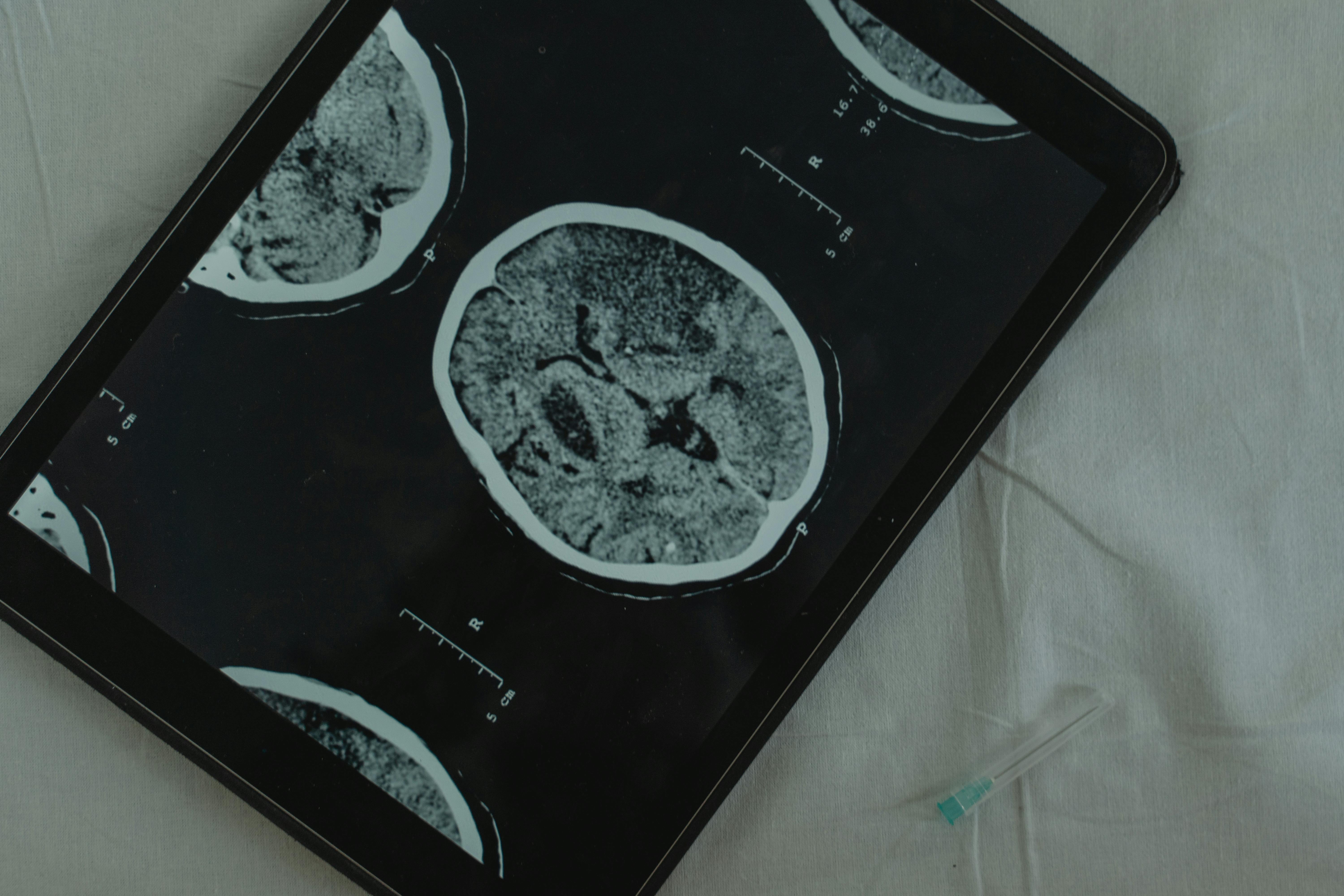
This Photo was taken by Tima Miroshnichenko.
Color-sound pairings, texture-temperature combinations, and scent-visual associations create memorable experiences that strengthen neural pathway formation. These designed synesthetic moments provide continuous cognitive training that enhances overall brain plasticity and processing efficiency.
Haptic feedback architecture
Touch remains our most primitive and powerful sense for neural activation. Neuroplastic design incorporates advanced haptic feedback systems in surfaces, furniture, and architectural elements that provide subtle tactile stimulation throughout daily activities.
These systems can range from temperature variations in handrails that provide gentle sensory training to vibrotactile feedback in flooring that enhances proprioception and balance. The goal is creating environments that continuously engage the nervous system in beneficial ways without conscious effort or attention.
Neuroarchitecture for peak states
Different cognitive states require different environmental conditions for optimal performance. Neuroplastic luxury creates dedicated zones within the living space specifically designed to facilitate and maintain peak states for various activities and life domains.
Flow state activation chambers
Flow states – periods of optimal performance characterized by complete absorption and effortless concentration – have specific environmental requirements. Neuroplastic design creates dedicated flow chambers with controlled sensory input, optimal challenge-skill balance cues, and distractions elimination systems.
These spaces incorporate elements that naturally induce flow: complexity levels that match current skill development, clear goal visualization systems, and immediate feedback mechanisms built into the environment itself. The result is reliable access to peak performance states on demand.
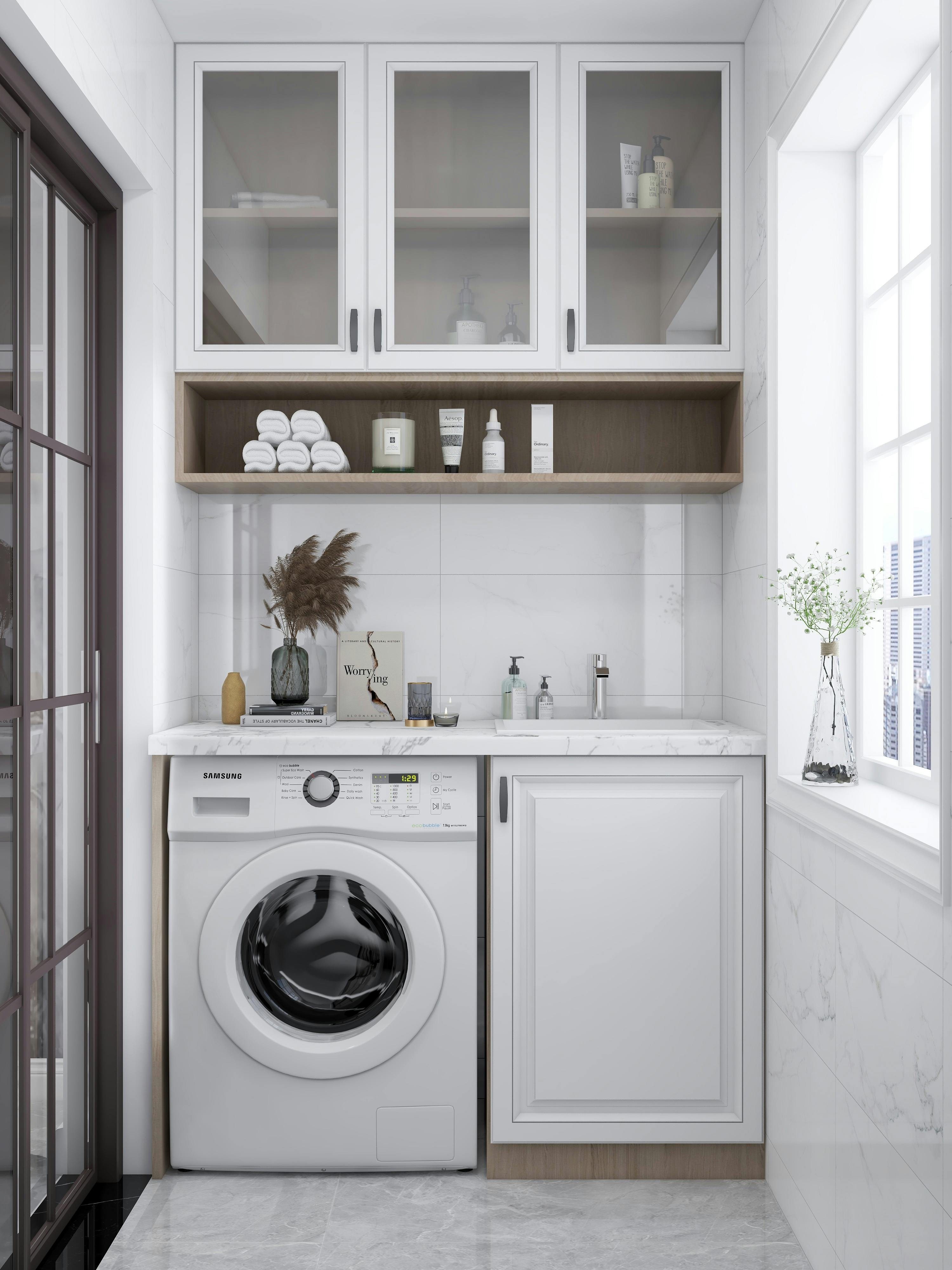
This Photo was taken by Nha Chill.
Meditation and mindfulness architecture
Traditional meditation spaces focus on minimalism and simplicity, but neuroplastic meditation areas incorporate sophisticated technology to enhance and deepen contemplative states. Binaural beat generation, electromagnetic field optimization, and atmospheric pressure adjustment create conditions that facilitate rapid entry into meditative states.
These enhanced contemplative spaces accelerate the neuroplastic benefits of meditation practice, allowing practitioners to achieve deeper states more quickly and maintain them more easily. The environmental support amplifies the cognitive and emotional benefits of regular mindfulness practice.
Implementation strategies and cost considerations
Transitioning to neuroplastic luxury doesn’t require complete architectural reconstruction. Strategic implementation allows gradual transformation of existing spaces while building toward comprehensive neural optimization systems.
Phased integration approach
Start with high-impact, low-cost interventions: lighting system upgrades to circadian-supporting LED arrays, acoustic treatment panels that incorporate binaural beat generation, and air quality systems that optimize brain oxygenation. These foundational changes provide immediate cognitive benefits while creating infrastructure for more advanced systems.

This Photo was taken by Luke Miller.
Phase two introduces monitoring systems and responsive environmental controls. Phase three adds advanced brainwave entrainment technology and cognitive enhancement protocols. This staged approach allows you to experience immediate benefits while building toward comprehensive neuroplastic optimization.
Investment return analysis
While neuroplastic luxury systems require significant upfront investment, the cognitive enhancement benefits provide measurable returns through improved productivity, creativity, and mental health. Early adopters report 25-40% improvements in cognitive task performance and 30% reductions in stress-related health issues.
The technology integration also future-proofs the living space for emerging brain-computer interface technologies and advanced wellness monitoring systems expected to become mainstream by 2026. This positions neuroplastic luxury as both current enhancement and long-term strategic investment.
Frequently asked questions
Is neuroplastic luxury safe for long-term daily exposure?
All neuroplastic luxury technologies operate within established safety parameters for electromagnetic fields, sound frequencies, and light exposure. The systems are designed for continuous use and actually promote long-term brain health through enhanced neuroplasticity and stress reduction. Regular monitoring ensures optimal exposure levels without overstimulation.
How long does it take to experience cognitive improvements?
Most people notice initial improvements in focus and mental clarity within 2-3 days of exposure to neuroplastic environments. Significant cognitive enhancements typically emerge within 2-3 weeks as the brain adapts to optimized environmental conditions. Long-term neuroplastic changes and peak performance benefits develop over 3-6 months of consistent exposure.
Can neuroplastic luxury systems be integrated into existing homes?
Yes, most neuroplastic technologies can be retrofitted into existing spaces without major renovation. Smart lighting systems, acoustic panels, air quality optimization, and basic brainwave entrainment can be installed with minimal construction. More advanced systems may require electrical upgrades and structural modifications.
What maintenance do these systems require?
Neuroplastic luxury systems are designed for minimal maintenance through self-monitoring capabilities and durable component selection. Software updates occur automatically, air filtration systems include replacement indicators, and most hardware components have 10-15 year operational lifespans. Annual professional calibration ensures optimal performance.
How does neuroplastic luxury affect children and elderly family members?
Neuroplastic environments are particularly beneficial for children’s developing brains and elderly individuals experiencing cognitive decline. The systems include age-appropriate protocols that optimize neural development in children and support cognitive maintenance in older adults. All exposure levels are carefully calibrated for different age groups and sensitivity levels.
Can I control the intensity of neuroplastic systems?
All neuroplastic luxury systems include comprehensive user controls and automatic adjustment capabilities. You can manually override any environmental condition or set the system to fully automatic mode. Personal preference profiles allow customization for different family members, and the system learns your optimal settings over time.
The cognitive evolution of luxury living
Neuroplastic luxury represents more than a design trend – it’s the evolution of human habitation toward spaces that actively enhance our most important asset: our cognitive capacity. As we spend increasing amounts of time indoors and face growing cognitive demands from modern life, our living environments must become active partners in maintaining and improving brain function.
The integration of neuroscience with interior design creates unprecedented opportunities for optimizing human potential through intelligent environmental design. These technologies will become as essential to luxury living as electricity and indoor plumbing were to previous generations. Early adopters gain significant advantages in cognitive performance, creativity, and overall life satisfaction.

This Photo was taken by Vlad.
The future belongs to those who recognize that true luxury lies not in material possessions but in optimized human experience and enhanced cognitive capability. Neuroplastic luxury provides the technological foundation for this transformation, creating living spaces that don’t just shelter our bodies but actively enhance our minds. As these technologies mature and costs decrease, neuroplastic principles will likely become standard elements of all high-performance living environments.
Your brain deserves an environment designed for its success. The question isn’t whether neuroplastic luxury will become mainstream, but whether you’ll be an early adopter or wait for everyone else to catch up. The choice you make today about your living environment will influence your cognitive capacity for decades to come.