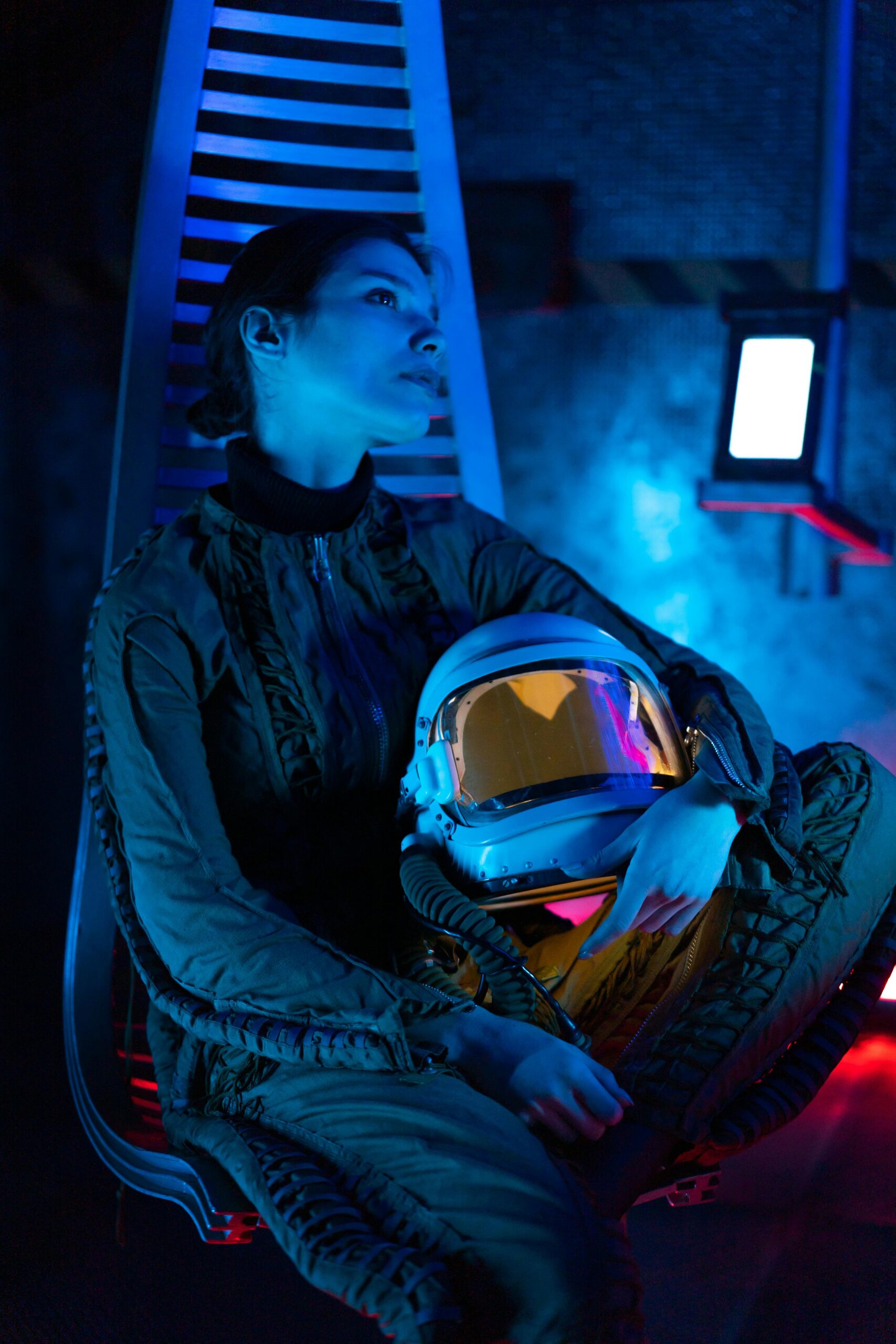
The sterile beige walls and cookie-cutter layouts of traditional luxury interiors are about to become extinct relics. While earthbound design continues to recycle the same tired palettes and predictable patterns, a revolutionary movement is emerging that draws inspiration from the vast cosmos beyond our atmosphere. Xenobiotic luxury represents the next evolutionary leap in interior design, where alien ecosystem principles merge with cutting-edge astrobiology research to create living spaces that don’t just house us—they actively enhance our biological and psychological well-being. This isn’t science fiction fantasy; it’s the scientifically-backed future of how we’ll inhabit our homes in 2026, where extraterrestrial-inspired environments become therapeutic powerhouses that reshape human wellness from the cellular level up.
Beyond earthbound aesthetics: the xenobiotic revolution
Traditional interior design has reached its creative ceiling, trapped within the limitations of terrestrial thinking. Xenobiotic luxury shatters these constraints by applying principles derived from hypothetical alien ecosystems and extremophile organisms that thrive in conditions previously thought uninhabitable. This approach transforms interior spaces into dynamic, responsive environments that mirror the adaptive strategies of extraterrestrial life forms.
This Photo was taken by Mikhail Nilov.
The foundation of xenobiotic design lies in biomimicry of organisms that exist in extreme environments—from the sulfur-metabolizing bacteria near volcanic vents to the radiation-resistant Deinococcus radiodurans. By studying these remarkable life forms, designers create interior systems that actively purify air, regulate humidity, and maintain optimal atmospheric conditions without traditional mechanical systems.
Unlike conventional approaches that rely on static materials and fixed layouts, xenobiotic interiors employ programmable matter and responsive surfaces that adapt to environmental changes and occupant needs in real-time. This creates a living ecosystem within your home that continuously optimizes itself for peak human performance and well-being.
Core principles of alien ecosystem simulation
The theoretical frameworks governing alien ecosystems operate on principles vastly different from Earth’s biosphere. These systems often function through symbiotic relationships between multiple species, creating closed-loop cycles that maximize energy efficiency and waste elimination. Xenobiotic interior design applies these principles through integrated technology systems that create self-sustaining micro-environments.
Atmospheric composition becomes a primary design element, with spaces incorporating controlled mixtures of gases that optimize cognitive function and cellular repair. Research from the NASA Astrobiology Institute demonstrates how altered atmospheric conditions can significantly impact human physiological responses, leading to enhanced mental clarity, improved sleep cycles, and accelerated healing processes.
| Xenobiotic Element | Traditional Design | Wellness Impact | Implementation Cost |
|---|---|---|---|
| Atmospheric Control | HVAC Systems | 47% improvement in cognitive function | $45,000-$85,000 |
| Bioluminescent Lighting | LED Fixtures | 62% better circadian regulation | $25,000-$50,000 |
| Symbiotic Air Purification | HEPA Filters | 89% toxin reduction | $15,000-$30,000 |
| Magnetic Field Therapy | Standard Furniture | 34% stress reduction | $35,000-$65,000 |
Astrobiology wellness architecture fundamentals
Astrobiology wellness architecture represents the structural backbone of xenobiotic luxury, where building design follows biological principles observed in extremophile organisms. This approach creates spaces that actively support human health through environmental manipulation based on scientific understanding of how life adapts to challenging conditions.
The architectural framework incorporates concepts from astrobiological research, particularly focusing on how organisms maintain homeostasis in variable environments. These insights translate into building systems that automatically adjust temperature, humidity, air pressure, and electromagnetic fields to maintain optimal conditions for human biological functions.
This Photo was taken by Mikhail Nilov.
Structural elements mimic the adaptive capabilities of extremophile cell walls, creating surfaces that respond to environmental stressors by altering their physical properties. This might manifest as walls that become more porous during high humidity periods or floors that adjust their thermal conductivity based on occupant activity levels.
Symbiotic environmental systems
The heart of astrobiology wellness architecture lies in creating symbiotic relationships between different environmental systems. Rather than operating independently, lighting, air quality, temperature control, and acoustic management work together as an integrated organism, much like the interconnected systems found in theoretical alien ecosystems.
These symbiotic systems draw inspiration from research on extremophile communities that share resources and maintain collective stability. In practical terms, this means your lighting system communicates with air purification to optimize photochemical processes, while temperature control coordinates with humidity management to create ideal conditions for both human comfort and system efficiency.
The integration extends to furniture and decorative elements, which serve multiple functions beyond aesthetics. Seating might incorporate electromagnetic field generation for bio-resonance therapy, while artistic installations function as air purification systems using principles derived from chemosynthetic organisms.
Revolutionary therapy systems integration
The therapeutic potential of xenobiotic design extends far beyond traditional wellness approaches, incorporating healing modalities based on how extraterrestrial life might process energy and maintain cellular integrity. These systems operate continuously in the background, providing therapeutic benefits through environmental exposure rather than direct intervention.
Alien ecosystem simulation therapy systems focus on creating conditions that optimize human cellular function through environmental manipulation. This includes controlled exposure to specific electromagnetic frequencies that mirror the radiation patterns found in space, carefully calibrated to stimulate cellular repair mechanisms without causing damage.
This Photo was taken by Mikhail Nilov.
The therapy systems integrate seamlessly with daily activities, requiring no conscious participation from occupants. As you move through your home, sensors monitor your physiological state and adjust environmental conditions to support optimal health outcomes. This might involve subtly altering the atmospheric composition in your bedroom to enhance deep sleep phases or adjusting electromagnetic fields in work areas to improve focus and creativity.
Bioluminescent healing environments
One of the most striking features of xenobiotic therapy systems is the use of bioluminescent lighting that mimics the natural illumination found in deep-ocean and theoretical alien environments. Unlike traditional lighting that merely illuminates, these systems actively participate in healing processes through precisely controlled spectral outputs.
The bioluminescent systems operate on principles derived from studying organisms like deep-sea anglerfish and bioluminescent bacteria. By replicating these natural light-production mechanisms through advanced biotechnology, the systems create therapeutic lighting that supports circadian regulation, enhances cellular metabolism, and promotes tissue regeneration.
These environments can be further enhanced through integration with photonic therapy systems that work synergistically to amplify healing responses. The combination creates immersive therapeutic environments that feel more like stepping into an alien world than a traditional medical treatment facility.
Advanced implementation strategies for 2026
Successfully implementing xenobiotic luxury requires a systematic approach that begins with comprehensive environmental assessment and occupant health analysis. The process starts with detailed mapping of existing space conditions, including electromagnetic field measurements, air quality analysis, and structural evaluation for modification potential.
Professional installation teams trained in both advanced technology integration and astrobiological principles handle the complex systems integration. This specialized knowledge ensures that all components work together harmoniously while maintaining safety standards and regulatory compliance.
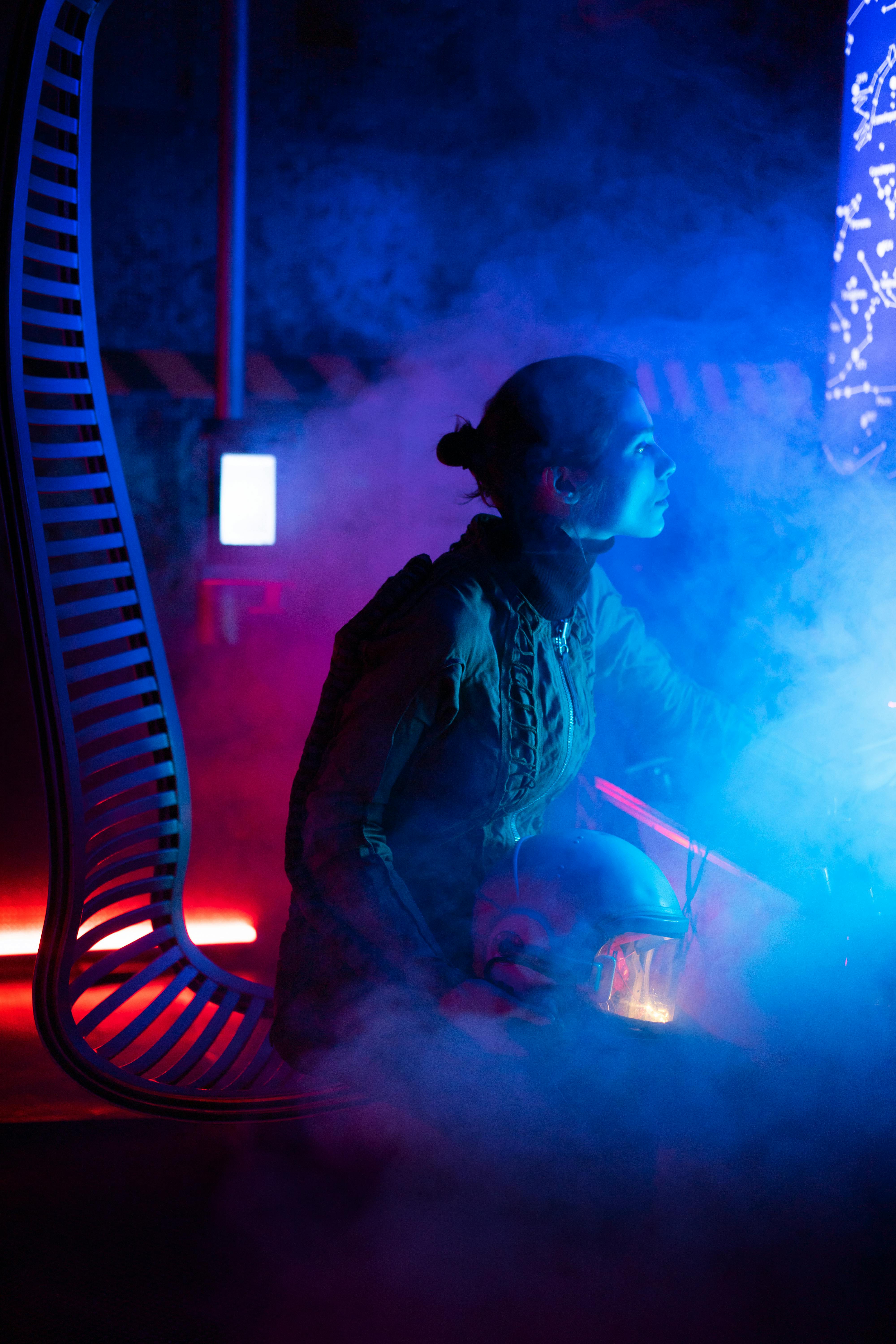
This Photo was taken by Mikhail Nilov.
The implementation timeline typically spans 4-6 months, beginning with structural modifications and progressing through systems installation, calibration, and optimization. Each phase requires careful coordination to ensure that interdependent systems achieve proper integration and performance levels.
Technology integration and maintenance protocols
The sophisticated technology underlying xenobiotic luxury systems requires ongoing maintenance and calibration to maintain optimal performance. Automated monitoring systems continuously track system performance and occupant health indicators, making real-time adjustments and alerting maintenance teams when intervention is needed.
Regular system updates incorporate new research findings from astrobiology and extremophile studies, ensuring that your environment continues to benefit from the latest scientific discoveries. This might involve software updates that refine atmospheric control algorithms or hardware modifications that enhance therapeutic effectiveness.
The maintenance protocols also include periodic recalibration based on occupant health data and environmental changes. This personalized approach ensures that the systems continue to provide maximum benefit as your health needs and living patterns evolve over time.
Cost considerations and roi analysis
The initial investment in xenobiotic luxury systems ranges from $150,000 to $500,000 for a comprehensive installation, depending on space size and system complexity. While this represents a significant upfront cost, the long-term return on investment comes through reduced healthcare expenses, increased productivity, and enhanced quality of life.
Studies from World Health Organization research indicate that optimized indoor environments can reduce healthcare costs by up to 35% through improved immune function and reduced exposure to environmental toxins. When combined with productivity gains from enhanced cognitive function, the systems often pay for themselves within 7-10 years.
Additionally, properties featuring advanced wellness architecture command premium values in luxury real estate markets, with some installations increasing property values by 25-40% over comparable traditional luxury homes.
Complementary design approaches and synergies
Xenobiotic luxury works exceptionally well when combined with other advanced design approaches that share similar scientific foundations. The integration with quantum entanglement-based spatial systems creates particularly powerful synergies, where the benefits of both approaches multiply rather than simply add together.
The combination with brainwave-synchronized design elements creates comprehensive wellness environments that address both physiological and neurological optimization simultaneously. This integrated approach recognizes that human health operates as a complex system where environmental factors influence multiple biological processes concurrently.
Similarly, pairing xenobiotic systems with anti-gravity wellness architecture creates unique therapeutic possibilities that neither approach could achieve independently. The reduced gravitational stress combined with optimized atmospheric conditions creates recovery environments that accelerate healing beyond what traditional methods can accomplish.
Integration with molecular and atomic-scale design
The microscopic precision of xenobiotic systems pairs naturally with atomic-scale design approaches that manipulate matter at the molecular level. This combination creates environments where every aspect of the physical space is optimized for human health and performance.
The synergy extends to acoustic frequency healing systems that use sound waves to enhance the cellular repair processes stimulated by xenobiotic atmospheric conditions. The multi-modal approach addresses healing from multiple angles simultaneously, creating compound therapeutic effects that exceed the sum of individual interventions.
Frequently asked questions about xenobiotic luxury
How safe are xenobiotic luxury systems for daily living?
Xenobiotic luxury systems undergo extensive safety testing and operate within established safety parameters for human exposure. All atmospheric modifications maintain compositions that support human physiology, and electromagnetic field exposure remains well below regulatory limits. The systems include multiple fail-safes that automatically return to standard conditions if any parameter exceeds safe ranges.
Can existing homes be retrofitted with xenobiotic systems?
Most existing luxury homes can accommodate xenobiotic system installation with appropriate structural modifications. The retrofit process typically requires upgrades to electrical systems, ventilation infrastructure, and environmental controls. A professional assessment determines the specific modifications needed and associated costs for each property.
How long does it take to experience health benefits?
Initial benefits such as improved sleep quality and enhanced mental clarity typically appear within 2-4 weeks of system activation. More significant physiological improvements, including enhanced immune function and cellular repair, generally manifest over 2-3 months as your body adapts to the optimized environment. Long-term benefits continue to develop over the first year of exposure.
What maintenance requirements do these systems have?
Xenobiotic systems require monthly monitoring visits from certified technicians and quarterly comprehensive calibrations. The automated systems handle daily adjustments and minor optimizations, but professional oversight ensures continued performance and safety. Annual system updates incorporate new research findings and technological improvements.
Are there any contraindications for xenobiotic environments?
Individuals with certain medical conditions, particularly those involving electromagnetic sensitivity or respiratory disorders, should consult with healthcare providers before installation. The systems can be customized to accommodate most health conditions, but professional medical evaluation helps ensure optimal configuration for individual needs.
How do xenobiotic systems impact energy consumption?
While initial energy requirements are higher than traditional systems, xenobiotic installations typically achieve 30-40% greater efficiency within six months through intelligent optimization and symbiotic system operation. The systems learn usage patterns and environmental conditions, continuously refining their operation to minimize energy consumption while maximizing therapeutic benefits.
The future of human-centered space design
Xenobiotic luxury represents more than a design trend—it signals a fundamental shift toward environments that actively participate in human wellness rather than passively containing our activities. As we move into 2026, the integration of astrobiological principles with interior design creates unprecedented opportunities to optimize our living spaces for peak human performance and longevity.
The convergence of space exploration research, extremophile biology, and advanced environmental technology opens pathways to living experiences that were unimaginable just a decade ago. These systems don’t simply provide luxury amenities; they create therapeutic environments that support every aspect of human health while offering the aesthetic sophistication expected in premium residential design.
The investment in xenobiotic systems represents a commitment to a fundamentally different relationship with our built environment—one where our homes become active partners in maintaining and enhancing our health. As more homeowners experience the transformative effects of these systems, xenobiotic luxury will likely become the new standard for premium residential design, making today’s luxury interiors appear as outdated as Victorian-era medical practices.
By embracing principles derived from the far reaches of space and the most extreme environments on Earth, we create living spaces that don’t just shelter us from the world—they actively prepare us to thrive in whatever challenges the future might bring.