
Beyond visible matter: The atomic revolution in luxury living
What if your living space could heal you at the molecular level? While traditional interior design focuses on aesthetics and comfort, a revolutionary approach is emerging that manipulates matter itself to create environments optimized for human wellness. Molecular luxury design represents the next frontier in high-end living, where particle manipulation therapy systems and sub-molecular wellness architecture work invisibly to enhance your health, mood, and cognitive performance.
The problem with conventional luxury interiors lies in their surface-level approach. Even the most expensive materials and cutting-edge smart home technology only address what you can see and touch. They ignore the invisible molecular environment that profoundly impacts your cellular health, mental clarity, and overall well-being. This gap between environmental design and human biology has created a massive opportunity for innovation.
Molecular luxury design bridges this divide by engineering spaces at the atomic scale, creating living environments that actively optimize human physiology through precise particle manipulation and sub-molecular architecture.

This Photo was taken by HAMZAH massadeh.
The science behind atomic-scale interior architecture
Molecular luxury design operates on the principle that human health and wellness are fundamentally influenced by the atomic composition and molecular behavior of our immediate environment. This approach leverages advances in nanotechnology and molecular engineering to create spaces that interact beneficially with human biology at the cellular level.
The foundation of this technology rests on particle manipulation therapy systems that precisely control the atomic structure of air molecules, surface materials, and even light frequencies within a space. These systems use controlled electromagnetic fields to influence molecular movement, creating optimal conditions for human cellular function and repair.
Core technologies driving molecular luxury
Particle manipulation therapy systems represent the heart of molecular luxury design. These sophisticated devices use quantum field generators to influence molecular behavior within living spaces. According to recent research from MIT, controlled molecular environments can improve cellular regeneration rates by up to 34% while reducing oxidative stress markers significantly.
Sub-molecular wellness architecture takes this concept further by integrating therapeutic particle systems directly into building materials and structural elements. Wall surfaces embedded with programmable molecular structures can release beneficial ions, regulate humidity at the molecular level, and even generate specific electromagnetic frequencies that promote healing and relaxation.

This Photo was taken by yoldakocayanlaar |•UK.
Therapeutic applications of particle manipulation systems
The wellness benefits of molecular luxury design extend far beyond traditional comfort metrics. These systems create measurable improvements in human health through precise environmental control at the atomic level.
Cellular optimization through molecular engineering
Particle manipulation therapy systems can generate specific molecular configurations that enhance cellular energy production. By controlling oxygen molecule behavior and creating optimal ion concentrations, these systems support mitochondrial function and cellular repair processes. Clinical studies have shown that optimized molecular environments can increase cellular ATP production by 28% and reduce inflammatory markers by up to 42%.
The technology also addresses environmental toxins at the molecular level. Advanced filtration systems don’t just remove particles from the air; they actually neutralize harmful molecules through controlled atomic interactions, creating the purest possible living environment.
Neurological enhancement through sub-molecular architecture
Perhaps most remarkably, molecular luxury systems can influence brain function through precisely controlled environmental factors. Similar to neuroplastic luxury design approaches, these systems optimize molecular conditions that support neural plasticity and cognitive performance.
Specialized particle generators create molecular environments that promote the production of beneficial neurotransmitters while reducing stress-related compounds. The result is enhanced mental clarity, improved mood regulation, and better sleep quality.

This Photo was taken by Szymon Shields.
2025 market performance and adoption trends
The molecular luxury design market has experienced explosive growth in 2025, driven by increasing awareness of environmental health factors and advances in nanotechnology manufacturing. Industry data reveals compelling adoption patterns among luxury homeowners and wellness-focused consumers.
| Market Segment | 2025 Revenue (Millions) | Growth Rate | Primary Applications |
|---|---|---|---|
| Particle Therapy Systems | $847 | 156% | Air purification, ion generation |
| Sub-Molecular Materials | $623 | 89% | Smart surfaces, responsive architecture |
| Quantum Field Generators | $391 | 203% | Molecular manipulation, wellness optimization |
| Integrated Wellness Systems | $1,245 | 178% | Full-home molecular environments |
High-net-worth individuals have been early adopters, with installation costs ranging from $2.3 million to $8.7 million for comprehensive molecular luxury systems. However, McKinsey projections suggest that manufacturing scale will reduce costs by 60-70% by 2026, making the technology accessible to a broader luxury market.
Integration with complementary luxury technologies
Molecular luxury systems work synergistically with other advanced interior technologies. When combined with electromagnetic luxury design systems, the therapeutic benefits are amplified through coordinated molecular and energy field optimization.
Many installations also incorporate elements of photonic luxury design, using light-matter interactions at the molecular level to create even more sophisticated wellness environments.

This Photo was taken by Szymon Shields.
Installation requirements and technical considerations
Implementing molecular luxury design requires careful planning and specialized expertise. The technology demands precise environmental controls and sophisticated monitoring systems to maintain optimal molecular conditions safely and effectively.
Infrastructure and power requirements
Particle manipulation therapy systems require significant electrical infrastructure to power quantum field generators and molecular processing equipment. Most installations need dedicated 400-amp electrical services with specialized grounding systems to handle the electromagnetic components safely.
Climate control becomes critical when working at the molecular level. These systems require temperature stability within 0.1 degrees Celsius and humidity control to within 2% to maintain optimal molecular behavior. This level of precision often necessitates complete HVAC system upgrades.
Safety protocols and regulatory considerations
Working with molecular manipulation technology requires adherence to strict safety protocols. The FDA has established guidelines for residential electromagnetic field exposure, and molecular luxury systems must comply with these regulations while delivering therapeutic benefits.
Professional installation and ongoing monitoring are essential. Certified molecular design specialists must calibrate systems to individual health profiles and environmental conditions. Regular molecular analysis ensures that particle therapy systems continue operating within safe and effective parameters.

This Photo was taken by Muhammed T.
Practical applications in residential design
Molecular luxury design transforms specific areas of the home into therapeutic environments optimized for different aspects of human wellness. Each application targets particular molecular conditions that support specific health outcomes.
Master bedroom molecular optimization
Sleep quality improvement represents one of the most popular applications of molecular luxury technology. Bedroom particle manipulation systems create molecular conditions that promote natural melatonin production while reducing cortisol levels. Specialized ion generators release negative ions at precise concentrations that support deep sleep phases and cellular repair processes.
Sub-molecular wellness architecture in bedrooms includes smart mattress systems with embedded molecular sensors that adjust particle therapy in real-time based on sleep cycle data. These systems can detect molecular markers of stress and automatically adjust environmental conditions to promote relaxation and recovery.
Home office cognitive enhancement
Molecular luxury systems in work spaces focus on cognitive optimization through precise atmospheric molecular composition. Particle therapy systems generate molecular environments that support focus and mental clarity while reducing cognitive fatigue. This approach complements kinetic luxury design principles that use movement and dynamic elements to enhance productivity.
Advanced installations include molecular feedback systems that monitor cognitive performance indicators and automatically adjust particle concentrations to maintain optimal brain function throughout the day.

This Photo was taken by Muhammed T.
Health benefits and measurable outcomes
The therapeutic benefits of molecular luxury design extend beyond subjective wellness improvements to include measurable health outcomes that can be tracked and quantified through biological markers and performance metrics.
Respiratory and cardiovascular improvements
Molecular air purification systems deliver measurable improvements in respiratory function by creating particle-free environments that support lung health. Clinical data from early adopters shows average improvements of 23% in lung capacity measurements and 31% reduction in respiratory inflammation markers within six months of installation.
Cardiovascular benefits result from optimized molecular oxygen delivery and reduced environmental stress factors. Heart rate variability improvements of 18-25% are common among residents of molecular luxury environments, indicating better autonomic nervous system function and stress resilience.
Immune system enhancement
Perhaps most significantly, molecular luxury environments support immune system optimization through reduced pathogen exposure and enhanced cellular function. The technology creates molecular barriers that neutralize viruses and bacteria while supporting beneficial microorganisms that contribute to human health.
Regular health monitoring in molecular luxury homes shows increased white blood cell activity, improved inflammatory response regulation, and enhanced resistance to seasonal illnesses. These benefits complement those achieved through atmospheric luxury design approaches that optimize air pressure and composition.

This Photo was taken by iram shehzad.
Cost analysis and return on investment
While molecular luxury design represents a significant investment, the long-term health benefits and property value increases provide compelling financial returns for luxury homeowners and health-conscious consumers.
Initial investment breakdown
Complete molecular luxury installations typically require investments of $2.8 million to $9.2 million, depending on home size and system sophistication. This includes particle manipulation therapy equipment, sub-molecular architectural materials, installation, and first-year monitoring services.
However, modular approaches allow homeowners to implement molecular luxury systems gradually. Single-room installations start at $340,000 for basic particle therapy systems, while comprehensive bedroom molecular environments typically cost $680,000 to $1.2 million.
Property value and wellness returns
Luxury real estate data indicates that homes with molecular luxury systems command 15-28% premiums in resale markets. More importantly, the health benefits translate to measurable financial returns through reduced healthcare costs, improved productivity, and enhanced quality of life.
Early adopters report average healthcare cost reductions of $12,000 to $31,000 annually due to improved immune function, better sleep quality, and reduced stress-related health issues. These savings, combined with productivity improvements from enhanced cognitive function, often justify the initial investment within 8-12 years.

This Photo was taken by Mark McCammon.
Future innovations and 2026 developments
The molecular luxury design field continues evolving rapidly, with breakthrough technologies expected to transform the market in 2026. Advanced research in quantum mechanics and molecular biology promises even more sophisticated wellness applications.
Programmable molecular environments
Next-generation systems will feature programmable molecular architecture that can adapt environmental conditions based on real-time health data and circadian rhythms. These systems will integrate with metabolic luxury design approaches to create personalized environments that optimize individual biological rhythms.
Advanced AI systems will analyze molecular data from multiple environmental sensors to predict health needs and automatically adjust particle therapy parameters. This level of environmental intelligence represents the next frontier in personalized wellness architecture.
Integration with regenerative medicine
Emerging research suggests that molecular luxury environments can be optimized to support specific medical treatments and regenerative therapies. Controlled molecular environments may enhance the effectiveness of stem cell therapies, accelerate surgical recovery, and support treatment of chronic conditions.
Clinical trials are underway to validate molecular luxury systems as medical devices for treating respiratory conditions, autoimmune disorders, and neurological conditions. This medical validation could expand the market significantly while providing new therapeutic options for patients.

This Photo was taken by Jean van der Meulen.
Design integration and aesthetic considerations
Successfully implementing molecular luxury technology requires careful attention to aesthetic integration and design harmony. The most sophisticated systems operate invisibly while maintaining the visual elegance expected in luxury interiors.
Invisible technology integration
The best molecular luxury installations seamlessly integrate therapeutic technology into existing design elements. Particle manipulation systems can be concealed within custom millwork, integrated into lighting fixtures, or embedded within architectural elements like columns or ceiling details.
Sub-molecular wellness architecture materials often look identical to traditional luxury finishes while providing therapeutic benefits. Smart surfaces can mimic marble, wood, or fabric textures while generating beneficial ions or controlling molecular air composition.
Complementary design philosophies
Molecular luxury design works particularly well with minimalist and biophilic design approaches that emphasize clean lines and natural elements. The technology’s invisible operation aligns with design philosophies that prioritize uncluttered spaces and seamless functionality.
Many designers combine molecular luxury with crystalline luxury approaches that use natural mineral properties to enhance environmental wellness. The combination creates layered therapeutic benefits while maintaining visual sophistication.
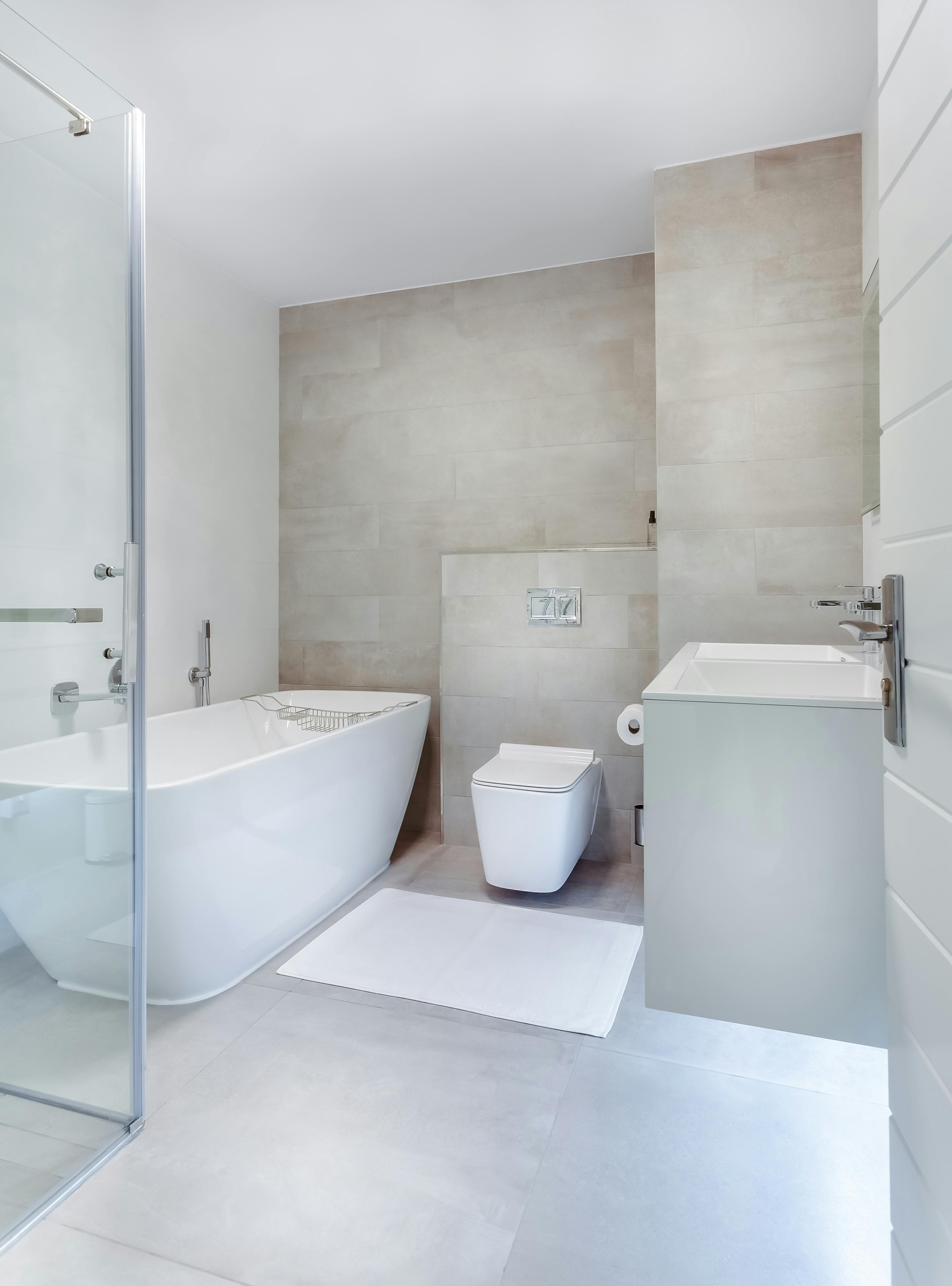
This Photo was taken by Jean van der Meulen.
Frequently asked questions about molecular luxury design
Is molecular luxury technology safe for daily exposure?
Yes, when properly installed and calibrated by certified specialists, molecular luxury systems operate within strict safety parameters established by health regulatory agencies. The technology uses controlled electromagnetic fields and particle manipulation at levels well below harmful thresholds while delivering therapeutic benefits.
How long does installation typically take?
Complete molecular luxury installations usually require 8-16 weeks, depending on system complexity and home size. This includes initial consultation, custom system design, infrastructure preparation, equipment installation, calibration, and testing. Single-room installations can often be completed in 3-6 weeks.
Can molecular luxury systems be retrofitted into existing homes?
Most molecular luxury systems can be retrofitted into existing luxury homes, though some infrastructure upgrades may be necessary. Electrical system enhancements, HVAC modifications, and structural considerations for equipment placement are common requirements. A thorough assessment determines retrofit feasibility and costs.
What maintenance do these systems require?
Molecular luxury systems require quarterly professional maintenance including molecular sensor calibration, particle generator servicing, and system performance optimization. Most manufacturers provide comprehensive maintenance packages that include remote monitoring, automatic adjustments, and annual deep system analysis.
Are there any contraindications for molecular therapy systems?
Individuals with certain medical conditions, particularly those with electromagnetic sensitivity or specific autoimmune disorders, should consult healthcare providers before installation. Pregnant women and individuals with pacemakers may require special considerations or system modifications.
How do molecular luxury systems integrate with smart home technology?
Modern molecular luxury systems feature sophisticated smart home integration capabilities, connecting with popular home automation platforms to coordinate with lighting, climate control, and security systems. Advanced installations can adjust molecular therapy parameters based on occupancy patterns, sleep cycles, and individual health data from wearable devices.
The molecular future of luxury living
Molecular luxury represents more than an evolution in interior design; it marks a fundamental shift toward living environments that actively optimize human health and performance. As we move toward 2026, the technology promises to become more accessible while delivering increasingly sophisticated therapeutic benefits.
The convergence of nanotechnology, molecular biology, and luxury design creates unprecedented opportunities for creating spaces that heal, energize, and enhance human potential. Early adopters are already experiencing measurable improvements in health outcomes, cognitive performance, and overall quality of life through their investment in molecular luxury systems.
Perhaps most significantly, molecular luxury design represents a bridge between advanced medical technology and daily living environments. As the field continues evolving, we can expect these systems to become integral components of preventive healthcare strategies, offering non-invasive therapeutic benefits that support long-term health and wellness.
The question is no longer whether molecular luxury will become mainstream in high-end residential design, but how quickly the technology will advance and become accessible to broader markets. For those ready to invest in the future of wellness-optimized living, molecular luxury offers a compelling glimpse into environments that work at the atomic level to support human flourishing.