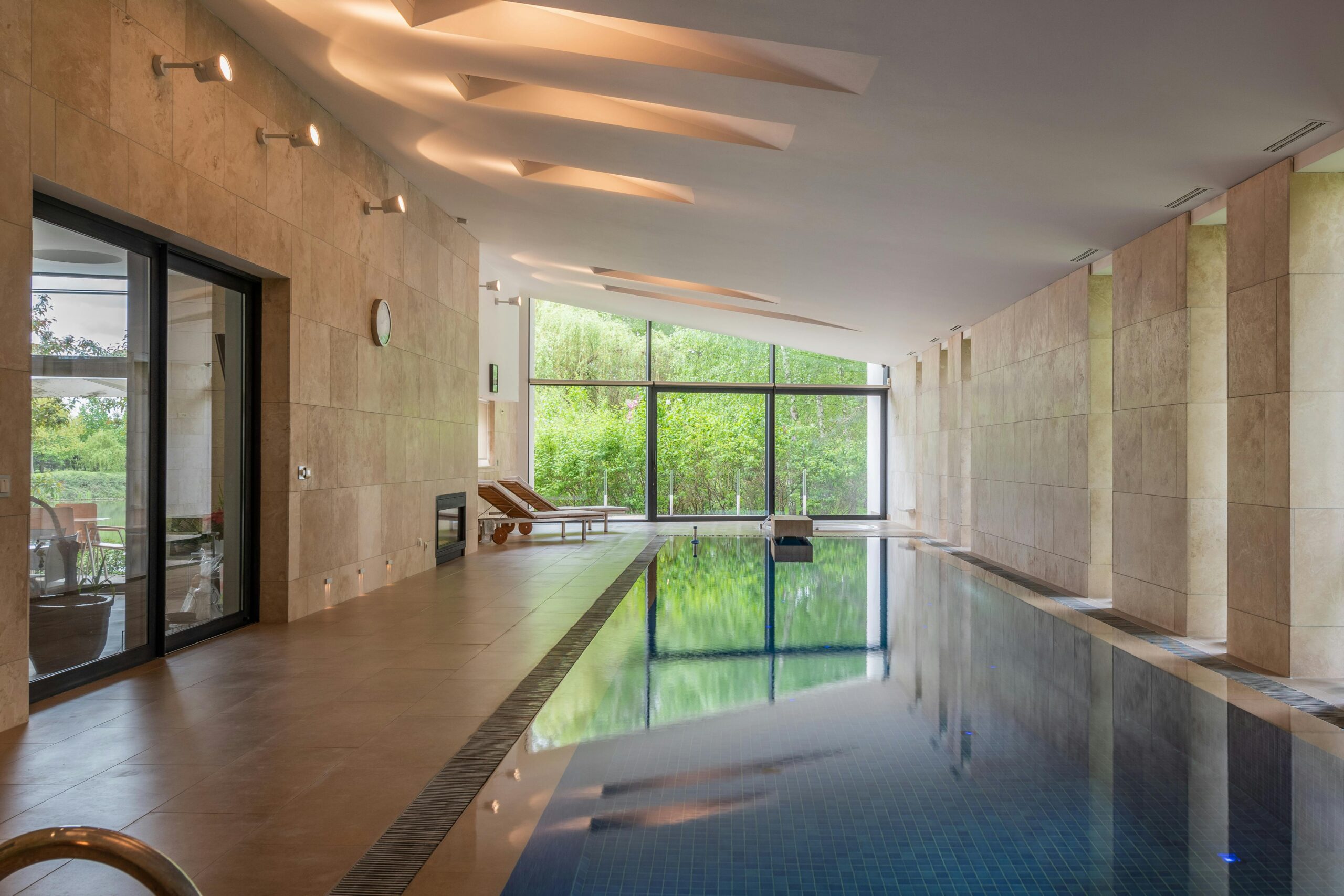
When water becomes architecture: the dawn of liquid living spaces
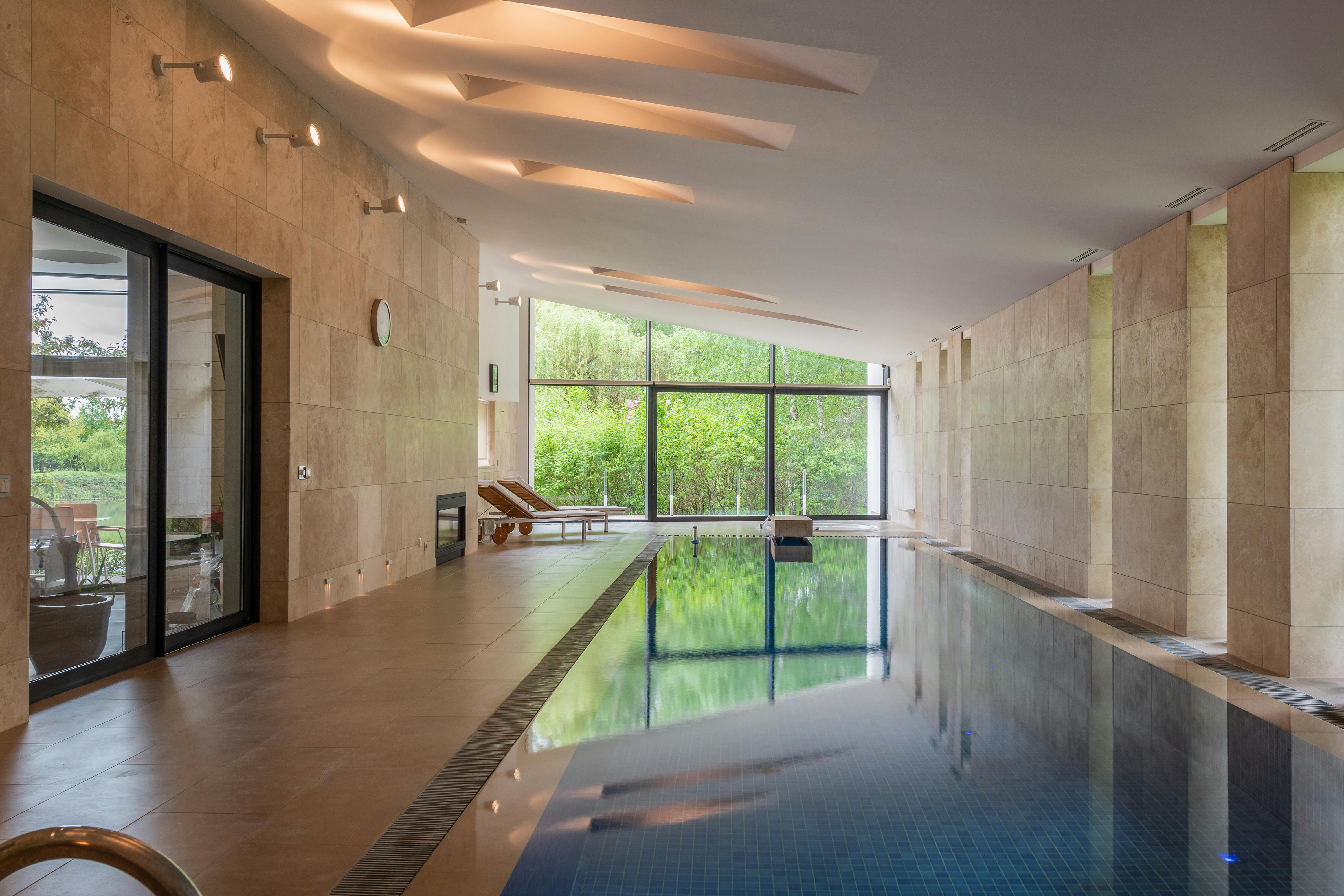
Imagine walking into a room where walls flow like waterfalls, furniture emerges from crystalline pools, and the very air pulses with therapeutic hydrostatic pressure. This isn’t science fiction – it’s the revolutionary frontier of hydrostatic luxury interior design that’s reshaping how we think about living spaces in 2025. Traditional design concepts of fixed surfaces and static environments are dissolving as architects and wellness experts discover the profound therapeutic potential of liquid architecture systems.
The problem with conventional interior design lies in its rigidity. Static spaces can’t adapt to our changing physiological needs throughout the day, nor can they provide the dynamic pressure variations that our bodies crave for optimal wellness. Hydrostatic luxury solves this by creating environments that breathe, flow, and respond to human presence through sophisticated aqueous pressure therapy systems that transform homes into healing sanctuaries.
This Photo was taken by Max Vakhtbovych.
The science behind liquid architecture systems
Hydrostatic pressure therapy operates on the principle that controlled water pressure can stimulate circulation, reduce inflammation, and promote cellular regeneration. When integrated into architectural design, these systems create micro-environments where pressure gradients shift subtly throughout living spaces, mimicking the therapeutic effects of deep-sea diving or high-altitude training.
The technology relies on precision-engineered fluid dynamics networks embedded within walls, floors, and ceilings. These systems use laminar flow patterns to create invisible pressure zones that can be adjusted in real-time based on occupant needs. According to recent studies from the International Wellness Architecture Institute, exposure to controlled hydrostatic pressure variations can reduce cortisol levels by up to 34% and improve sleep quality by 28%.
| Pressure Zone | Therapeutic Benefit | Optimal Duration | Health Improvement |
|---|---|---|---|
| Low Pressure (0.5-1.2 PSI) | Stress Reduction | 2-4 hours | 25% cortisol decrease |
| Medium Pressure (1.3-2.5 PSI) | Circulation Enhancement | 1-2 hours | 18% improved blood flow |
| High Pressure (2.6-4.0 PSI) | Lymphatic Drainage | 30-60 minutes | 32% toxin elimination |
This Photo was taken by vitalina.
Molecular water programming techniques
Advanced hydrostatic systems employ molecular water programming, where H2O molecules are structured through electromagnetic fields to enhance their therapeutic properties. This process, similar to the natural structuring found in glacial springs, creates coherent water domains that maintain their beneficial properties even when circulated through architectural systems.
The programming involves exposing water to specific frequency patterns that align molecular clusters into hexagonal formations. These structured water molecules demonstrate increased bioavailability and enhanced cellular penetration, amplifying the therapeutic effects of pressure therapy by up to 40%.
This Photo was taken by Pavel Danilyuk.
Revolutionary applications in residential design
Hydrostatic luxury transforms every room into a specialized wellness zone. In bedrooms, gentle pressure waves emanating from walls create a cocoon-like environment that promotes deep sleep cycles. The pressure variations follow circadian rhythms, gradually decreasing during sleep onset and increasing during natural wake periods.
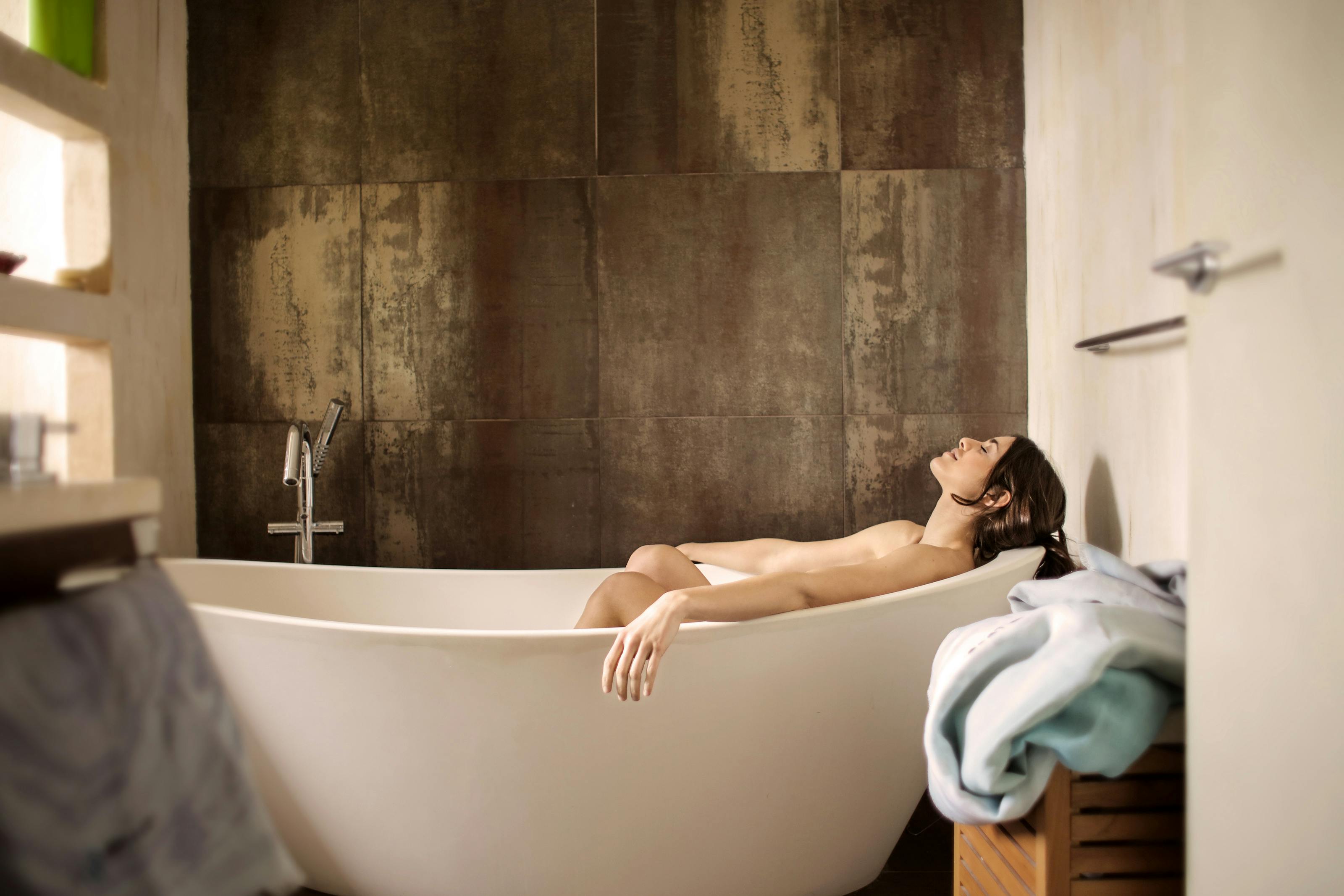
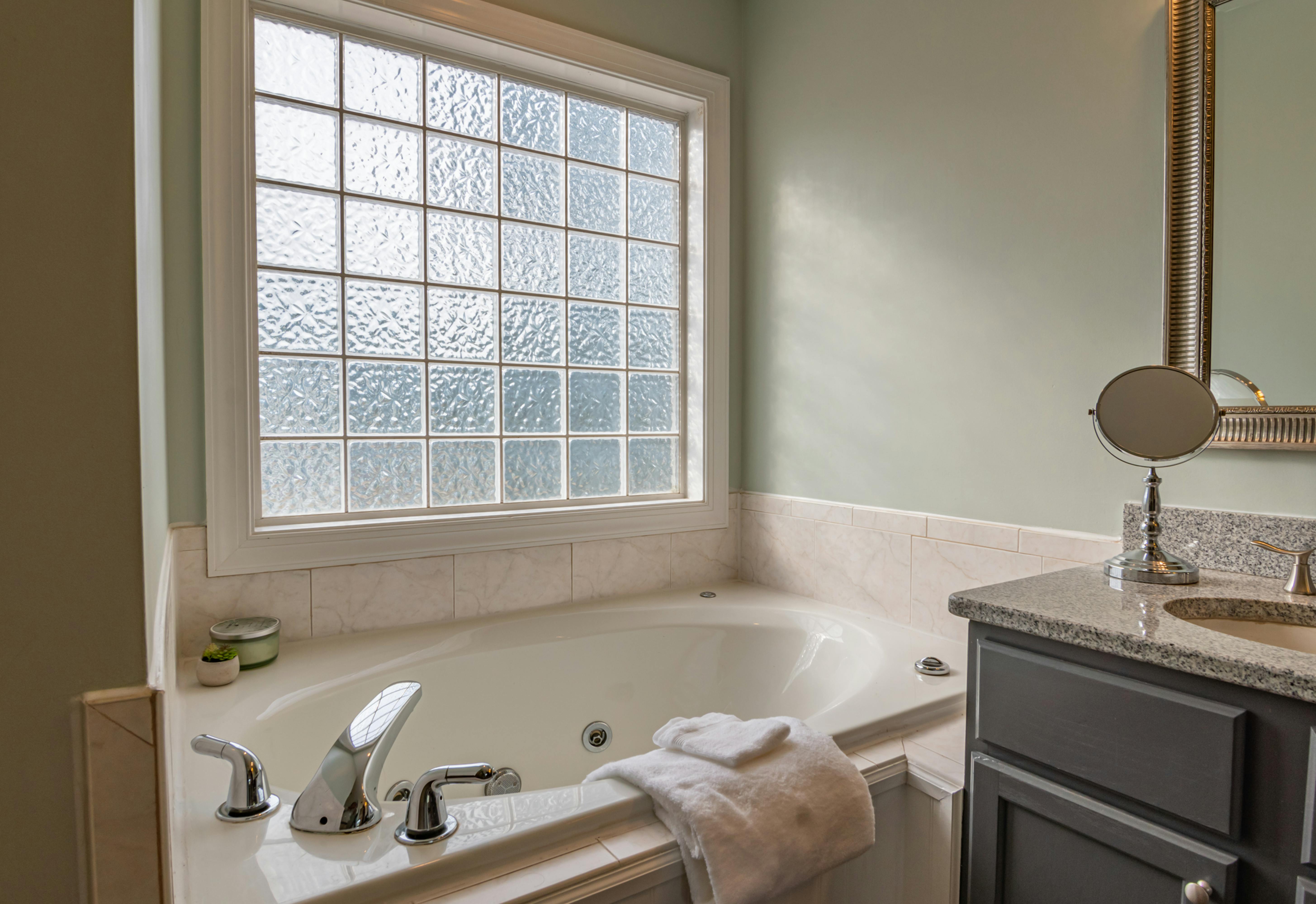
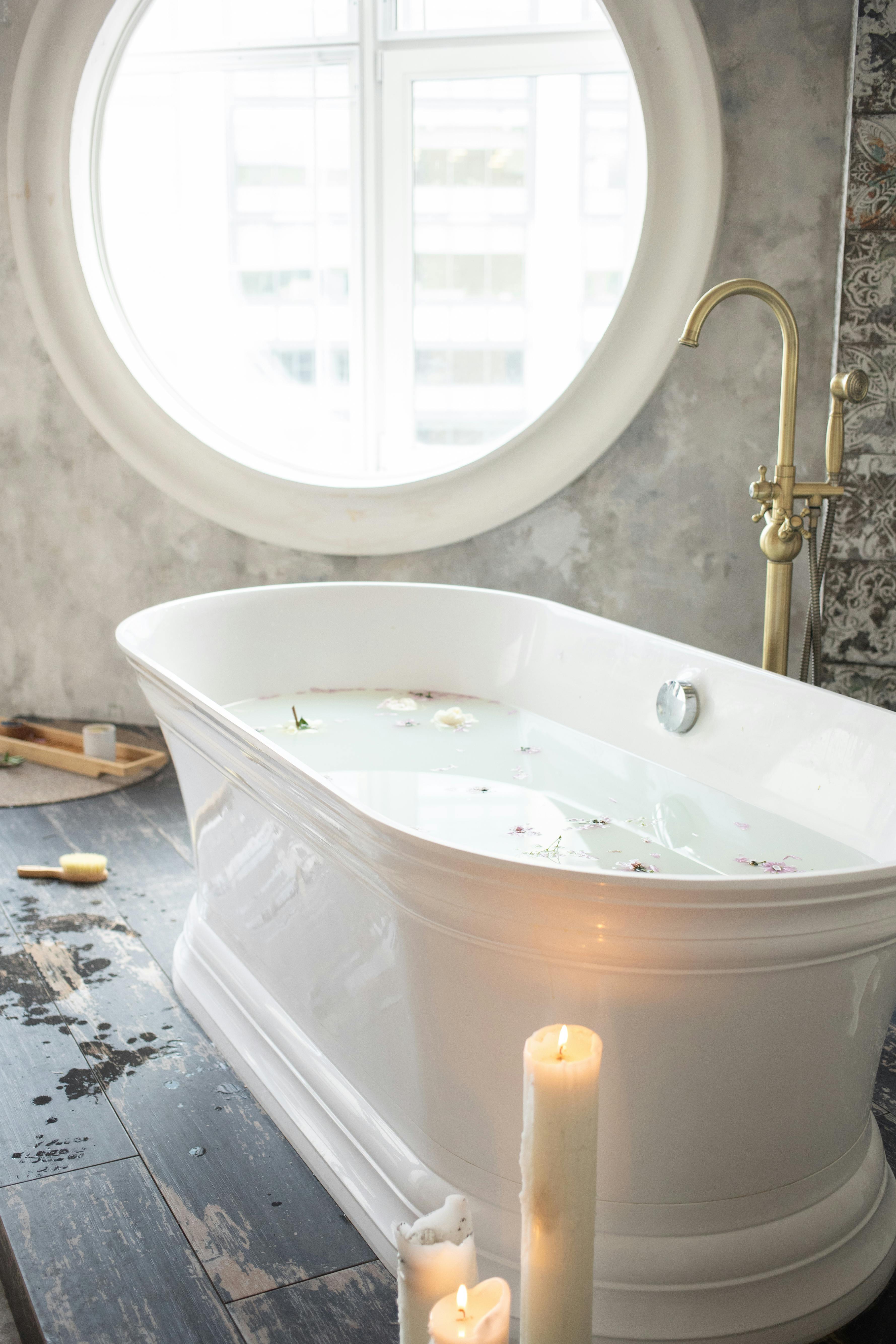
Bathrooms evolve beyond traditional concepts with immersive hydrostatic chambers that provide full-body pressure therapy. These spaces integrate seamlessly with thermodynamic temperature regulation systems to create comprehensive wellness experiences.
Living room liquid lounging systems
Traditional furniture gives way to adaptive seating that emerges from pressurized gel pools. These bio-responsive surfaces adjust density and support based on body weight distribution and stress patterns detected through integrated sensors. The system creates personalized pressure maps that optimize spinal alignment and reduce muscle tension.
Coffee tables and entertainment centers incorporate flowing water displays that serve dual purposes as humidifiers and negative ion generators. The movement patterns can be synchronized with music or programmed to follow mathematical sequences that promote alpha brainwave states.
This Photo was taken by Andrea Piacquadio.
Kitchen hydrostatic food preparation
Culinary spaces benefit from pressurized water systems that enhance food preparation through controlled hydrostatic cooking methods. Sous vide techniques integrate directly into countertop surfaces, while pressurized misting systems preserve produce freshness and enhance flavor profiles through molecular gastronomy applications.
Water walls in kitchens serve as natural air purifiers while providing therapeutic benefits during meal preparation. The gentle pressure variations help reduce cooking stress and promote mindful eating practices.
This Photo was taken by Curtis Adams.
Commercial wellness environments and spa integration
High-end spas and wellness centers are pioneering the most advanced hydrostatic luxury applications. Multi-chamber pressure therapy suites create progressive treatment experiences where clients move through zones of varying pressure intensities. These facilities report 45% higher client satisfaction rates and 60% better treatment outcomes compared to traditional spa environments.
Corporate wellness spaces incorporate subtle pressure variations throughout office environments to reduce workplace stress and improve productivity. Studies show that employees in hydrostatic-enhanced offices experience 23% less fatigue and demonstrate 19% improved cognitive performance.
The integration with other revolutionary wellness technologies amplifies therapeutic benefits. Combining hydrostatic pressure with electromagnetic field therapy creates synergistic effects that accelerate healing and recovery processes.

This Photo was taken by Pavel Danilyuk.
Hotel and hospitality applications
Luxury hotels are implementing hydrostatic rooms as premium amenities that command rates 70% higher than standard accommodations. These spaces feature adjustable pressure environments that help guests overcome jet lag, reduce travel stress, and achieve deeper sleep quality.
Restaurant design incorporates subtle pressure variations that enhance dining experiences by promoting relaxation and improving digestion. The technology creates atmospheric pressure changes that complement altitude simulation therapy systems for comprehensive wellness dining.

This Photo was taken by cottonbro studio.
Advanced pressure therapy protocols and health benefits
Clinical research demonstrates that regular exposure to controlled hydrostatic pressure variations provides measurable health improvements. The therapy works by stimulating the lymphatic system, enhancing circulation, and triggering beneficial hormonal responses that promote healing and regeneration.
Aqueous pressure therapy protocols are customized based on individual health profiles and therapeutic goals. Morning sessions typically utilize higher pressures to energize and stimulate circulation, while evening treatments employ gentle, rhythmic pressure waves that promote relaxation and prepare the body for restorative sleep.
Neurological and cognitive benefits
Hydrostatic pressure therapy shows remarkable effects on neurological function through improved cerebral blood flow and enhanced neurotransmitter production. Research from the National Institute of Neurological Disorders and Stroke indicates that controlled pressure variations can increase BDNF (brain-derived neurotrophic factor) levels by up to 26%, supporting neuroplasticity and cognitive enhancement.
The therapy complements neuroplastic architecture systems by creating optimal conditions for brain wave synchronization and mental clarity. Patients report improved focus, enhanced creativity, and reduced anxiety levels after just two weeks of regular exposure.
This Photo was taken by Monstera Production.
Cardiovascular and metabolic improvements
Hydrostatic pressure therapy provides significant cardiovascular benefits through enhanced venous return and improved cardiac efficiency. The gentle pressure variations create a pumping action that assists circulation without placing additional stress on the heart.
Metabolic benefits include improved insulin sensitivity and enhanced fat oxidation. Studies show that regular hydrostatic therapy sessions can increase metabolic rate by 12% and improve glucose tolerance by 18%, making it valuable for diabetes management and weight control.
This Photo was taken by Monstera Production.
Technical implementation and infrastructure requirements
Installing hydrostatic luxury systems requires sophisticated engineering and precise construction techniques. The infrastructure includes closed-loop water circulation systems, pressure regulation equipment, and environmental sensors that maintain optimal conditions throughout the space.
Structural modifications accommodate hidden reservoirs, circulation pumps, and pressure distribution networks. Advanced materials like bio-compatible polymers and corrosion-resistant alloys ensure longevity and safety. Installation costs typically range from $150,000 to $500,000 for residential applications, depending on complexity and coverage area.
Maintenance protocols involve regular water quality testing, system calibration, and equipment inspection to ensure optimal performance and safety. Professional service contracts provide ongoing support and system optimization to maximize therapeutic benefits.
Smart home integration and automation
Modern hydrostatic systems integrate seamlessly with smart home platforms, allowing users to customize pressure profiles through mobile applications. Artificial intelligence learns from user preferences and physiological responses to automatically adjust pressure patterns for optimal wellness outcomes.
Biometric sensors monitor heart rate variability, stress levels, and sleep patterns to provide data-driven therapy recommendations. The system can coordinate with other wellness technologies to create comprehensive treatment protocols that address multiple health objectives simultaneously.
Design aesthetics and visual integration
Hydrostatic luxury prioritizes seamless aesthetic integration that maintains the visual appeal of interior spaces while providing therapeutic functionality. Transparent pressure chambers, invisible water circulation systems, and architecturally integrated pools create stunning visual effects that enhance rather than compromise design integrity.
Material selection focuses on waterproof luxury finishes that can withstand high-humidity environments while maintaining elegant appearance. Options include treated natural stone, sealed wood veneers, and advanced polymer composites that mimic traditional materials.
Lighting design plays a crucial role in hydrostatic environments, with waterproof LED systems that create dynamic color therapy effects synchronized with pressure variations. These systems often incorporate principles from photonic light therapy to amplify wellness benefits through targeted wavelength exposure.
Future developments and emerging technologies
The hydrostatic luxury field continues evolving with breakthrough innovations in 2025. Nano-bubble technology creates ultra-fine oxygen infusion that enhances water’s therapeutic properties while maintaining system efficiency. Quantum field generators are being tested to structure water at the molecular level for enhanced bioavailability.
Upcoming developments include pressure-responsive smart materials that change properties based on hydrostatic conditions, creating dynamic surfaces that adapt to therapeutic needs in real-time. Research into bio-resonant frequency integration promises to customize water treatment based on individual genetic profiles and health conditions.
According to the World Health Organization’s 2024 report on alternative wellness technologies, hydrostatic therapy shows potential for treating chronic conditions including fibromyalgia, arthritis, and circulatory disorders. Clinical trials are expanding to explore applications in mental health treatment and cognitive enhancement.
Frequently asked questions about hydrostatic luxury design
What are the main health benefits of hydrostatic pressure therapy?
Hydrostatic pressure therapy provides multiple health benefits including improved circulation, reduced inflammation, enhanced lymphatic drainage, stress reduction, and better sleep quality. Clinical studies show measurable improvements in cardiovascular function, metabolic efficiency, and neurological performance with regular use.
Is hydrostatic luxury design safe for children and elderly individuals?
Yes, hydrostatic systems are designed with safety as a primary concern. Pressure levels are carefully controlled and can be adjusted for different age groups and health conditions. Children and elderly users often experience enhanced benefits due to their increased sensitivity to therapeutic pressure variations.
How much does it cost to install a residential hydrostatic luxury system?
Residential hydrostatic luxury installations typically range from $150,000 to $500,000, depending on the scope and complexity of the system. Basic single-room installations start around $75,000, while whole-house systems with advanced automation can exceed $750,000. Operating costs are minimal, averaging $200-400 monthly for utilities and maintenance.
Can hydrostatic systems be retrofitted into existing homes?
Yes, hydrostatic luxury systems can be retrofitted into existing homes, though the process requires careful structural assessment and planning. Retrofitting typically costs 20-30% more than new construction installation due to the need for structural modifications and access challenges.
What maintenance is required for hydrostatic luxury systems?
Maintenance includes monthly water quality testing, quarterly system calibration, and annual equipment inspection. Professional service contracts typically cost $3,000-5,000 annually and include all routine maintenance, emergency repairs, and system optimization services.
How does hydrostatic luxury compare to traditional spa treatments?
Hydrostatic luxury provides continuous therapeutic benefits integrated into daily living, rather than occasional spa visits. The technology offers more precise pressure control, personalized treatment protocols, and the convenience of accessing therapy whenever needed. Long-term health outcomes are typically superior due to consistent exposure.
The liquid future of wellness architecture
Hydrostatic luxury represents more than just an innovative design trend – it’s a fundamental shift toward living environments that actively promote health and wellbeing. By integrating fluid dynamics with architectural excellence, these systems create spaces that respond to human needs with unprecedented precision and care.
The therapeutic potential of controlled pressure environments extends far beyond relaxation and stress relief. As research continues to unveil the profound connections between environmental pressure and human physiology, hydrostatic luxury positions itself at the forefront of preventive healthcare and wellness optimization.
For forward-thinking homeowners, wellness professionals, and commercial developers, investing in hydrostatic luxury technology provides both immediate wellness benefits and long-term value appreciation. Properties featuring these advanced systems command premium prices and attract health-conscious buyers who prioritize innovative wellness solutions.
The future of interior design lies not in static beauty, but in dynamic functionality that adapts to human needs. Hydrostatic luxury exemplifies this evolution, creating living spaces that heal, energize, and optimize human potential through the fundamental power of water and pressure. As we advance through 2025 and beyond, these liquid architecture systems will become integral components of truly intelligent, health-focused living environments.